

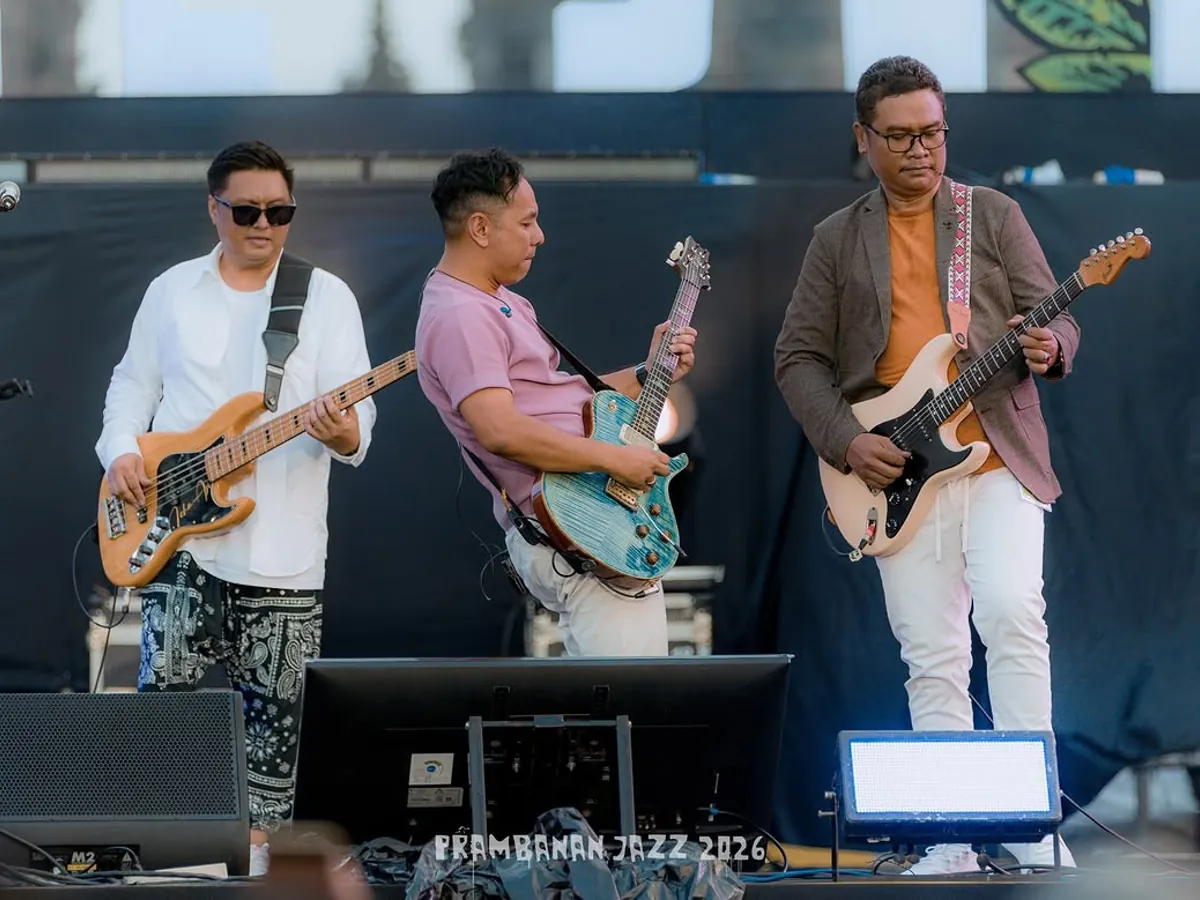
The 12th Prambanan Jazz Festival closed Sunday at Prambanan Temple, Sleman, with a record 85,000 attendees over three days, the highest total in the festival's 12-year history, organizers said.
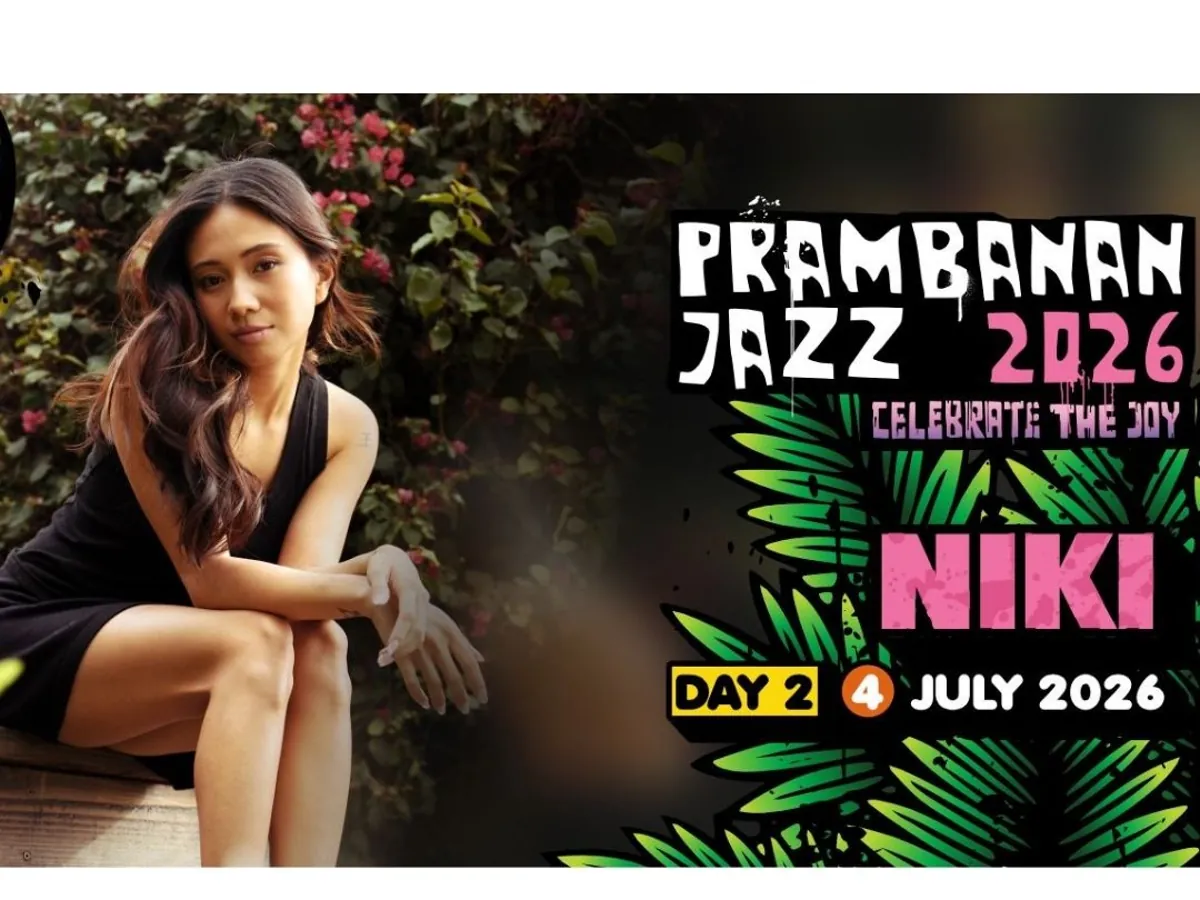
Day two was the peak: tickets sold out and about 35,000 people watched NIKI close the main stage at around 10:30 p.m. in a band-format set. Michael Learns to Rock and Xdinary Heroes headlined day one. On the final day, The Rose closed the main stage, preceded by KLa Project, Tulus, Maliq & D'Essentials, Ari Lasso, Java Jive, Fariz RM, Rio Febrian, and Jikustik.
"We see Prambanan Jazz Festival as a home to return to. That is why we should celebrate this homecoming as grandly as we can," said Anas Syahrul Alimi, CEO and founder of Prambanan Jazz Festival.
Why did attendance grow when the jazz share went up?
Organizers raised the proportion of jazz acts to about 63 percent of the total lineup, up from under 50 percent in previous editions, and attendance climbed about 12 percent from the year before, from 76,000 to 85,000. The numbers challenge a common assumption in Indonesian festival curation: that international pop and K-pop headliners are a prerequisite for strong ticket sales.
The 2026 edition addressed a longstanding criticism. The word "jazz" in the festival's name had long been seen as misleading, given that other genres dominated the lineup in earlier years. This year, jazz musicians including Margie Segers, Dewa Budjana, Fariz RM, and Joey Alexander filled more than half the slots. Joey Alexander is a Grammy-nominated Indonesian pianist based in the United States. He performed alongside NIKI, an Indonesian singer who also works out of the U.S.
Organizers framed both as Indonesian diaspora artists coming home to the Prambanan stage. NIKI had been booked as day-two headliner before the festival opened. The enthusiasm showed: that day sold out.
Closing day: Wayang Bocor and nostalgia from Solo and Jakarta
The third day was the most varied in format. Tulus premiered a new song, "Teh Hijau," from the Prambanan stage. Jikustik reunited with Pongky Barata. Rio Febrian performed alongside his son, Jamaica Fosteriano.
The artistic high point of the closing day was Wayang Bocor, a work by artist Eko Nugroho that combines wayang puppetry, contemporary visual art, and theater. The performance brought together Ki Catur Kuncoro, Ari Wulu, Eko Supriyanto, and Didik Nini Thowok, a legendary cross-gender dancer from Yogyakarta.
For out-of-town attendees, the final day carried particular weight. "There's an emotion that's hard to put into words when you hear 'Yogyakarta' live at Prambanan. I grew up in Jakarta, but every time I hear KLa perform it here, I feel like I'm coming home," said Ratih, 40, an accountant from Jakarta.
A similar feeling came from Aryasatya, 38, a private-sector worker from Solo. "Hearing Jikustik sing 'Puisi' live in Yogya feels different. Like being taken back to 2005, when I was still studying here."
Behind the ticket sales: hotels, small businesses, and numbers still pending
Prambanan Jazz Festival has a direct tie to economic activity in the Sleman area. Gistang Panutur, Commercial Director of InJourney Destination Management, said the festival had a positive effect on hospitality, transportation, the creative economy, and small businesses (UMKM) around Prambanan Temple. The previous edition drew about 76,000 attendees, and organizers had projected growth for 2026 before the festival opened.
As a UNESCO World Heritage Site, Prambanan Temple gives the festival a setting that separates it from city concert venues. Organizers managed two expectations at once: keeping local cultural relevance through Wayang Bocor and Didik Nini Thowok, while maintaining commercial appeal through six headliners across multiple genres. On attendance, the result was visible on day two, when the venue sold out.
Yogyakarta also hosted Jogja Marathon 2026 this year, setting a record with 10,200 runners from 17 countries, adding to the city's established pattern as a destination for national and international events.
Official figures on the festival's economic impact, including Sleman hotel occupancy rates and small-business revenues over the three days, had not been released. InJourney and the organizers typically publish them within days to a week after the event.


Comments