
The Museum Passport promotion closed on June 30, but demand is now at its strongest. Schools in Jakarta started a two-week break on June 27, now entering the second week. Visitor interest continues to rise even as the discount phase ends.
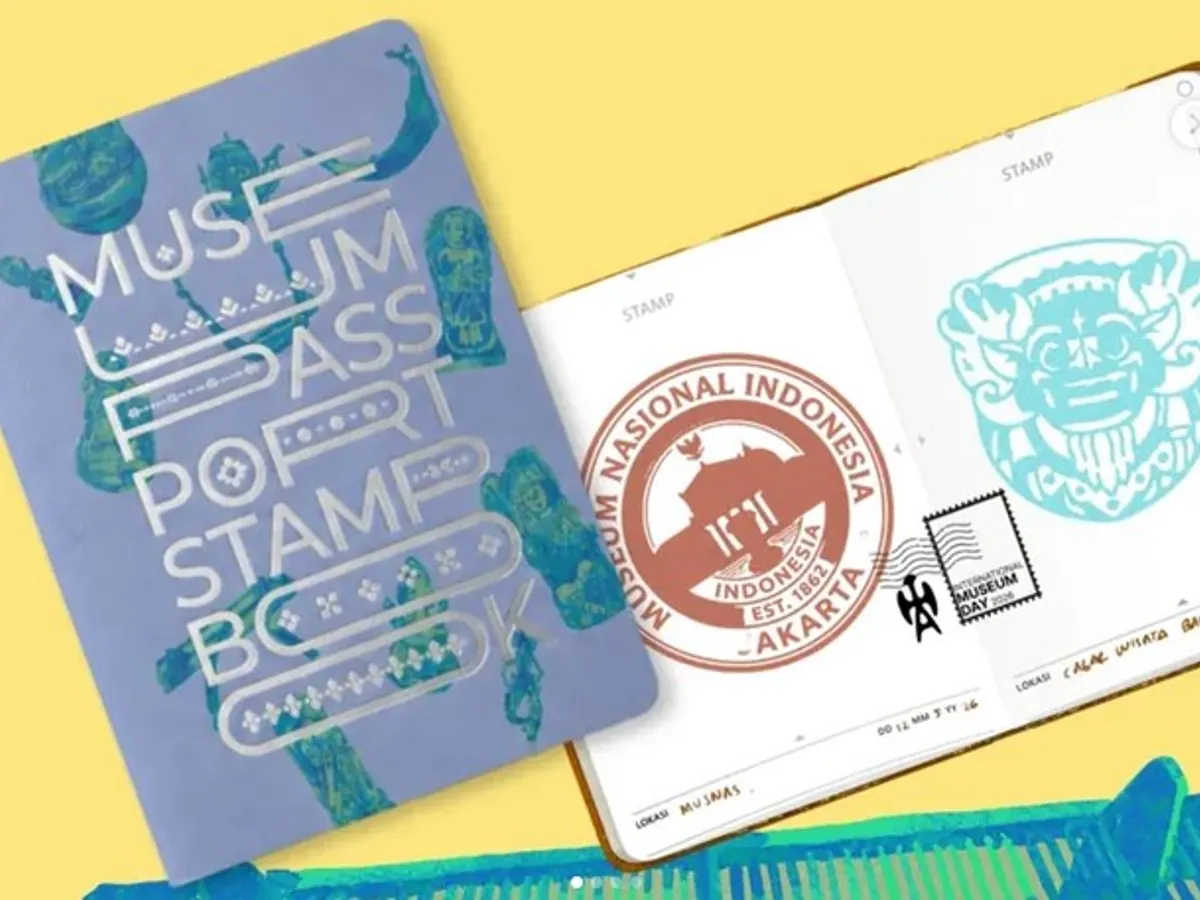
Museum Passport is a passport-style booklet released by the Ministry of Culture through the Museum and Heritage Agency (MCB) on June 16, 2026, marking the agency's fourth anniversary. Each participating museum provides a unique stamp; booklet holders collect stamps to document their visits. The concept adapts Japan's "stamp rally" system, long popular at train stations and tourist sites, applying it to Indonesian museums primarily for Gen Z and Gen Alpha audiences.
What do buyers get?
Each purchase includes vouchers for free entry to all museums under MCB management, so passport holders don't pay separate admission fees per visit. The booklet is sold through the MCB shop, museum gift shops, Gramedia bookstores in Matraman and Jalma, gramedia.com, and was developed with Paperina.
For families planning multiple museum visits during the school break, the ticket savings can offset the booklet's cost. "This is rooted in the spirit of our cultural heritage," said Indira Estiyanti Nurjadin, head of the MCB, at the program's launch.
Why only 16 museums?
Of hundreds of museums in Indonesia, only 16 were actively providing Museum Passport stamps when the program launched. This reflects the MCB's role as a central government agency: museums run by regional governments and private operators are not yet included.
Among the initial 16 locations are the National Museum of Indonesia in Jakarta, the Majapahit Museum in East Java, and the Sangiran Early Man Museum in Central Java. The distribution is heavily concentrated in Java. Passport holders from Kalimantan, Sulawesi, or the Lesser Sunda Islands (Nusa Tenggara) have far fewer options to fill their booklets.
The MCB says 18 museums and 34 heritage sites under its management are ready to participate, with the list continuing to grow. Whether museums outside the MCB network will be invited to join will determine whether this becomes a cross-institutional standard or remains limited to a single network.
Culture Minister Fadli Zon called the program an opening move. "We hope Museum Passport can be an initial step, an innovative way to bring more visitors to museums," he said.
Short-distance travel drives demand
Museum Passport emerges amid a shift in domestic tourism patterns. The Ministry of Tourism reported that 67.70 percent of domestic travel last year occurred within individual provinces. Short-distance, affordable, and educational travel is increasingly popular as families seek cheaper options.
"You can see it plainly: travel is staying within provinces. It's staying local," said Nia Niscaya, spokesperson for the Tourism Ministry, on the 2026 school holiday trend.
Museums align with this pattern. The gamification element of collecting stamps makes visits feel more structured for children and teenagers.
Three real measures
How far Museum Passport grows will depend on three things: how quickly the number of participating museums expands and whether it reaches beyond Java; whether the MCB launches new promotions during the school holiday peak (through July 11) after the Rp81,000 promotion ends; and how museum visit numbers grow during June and July based on actual entry data, not just social media buzz.