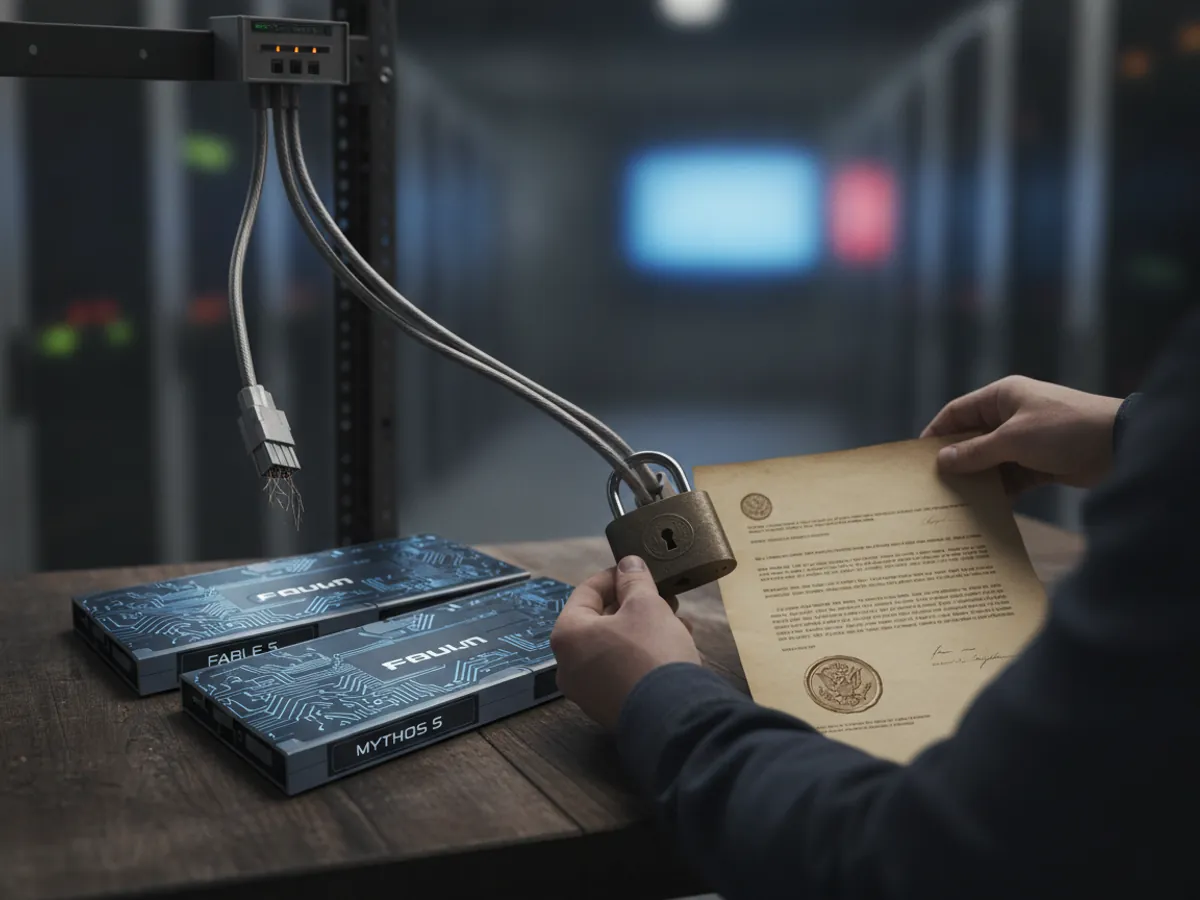

Fable 5 became available globally on Wednesday, July 1, 2026, one day after the U.S. government lifted export controls on Anthropic's latest AI model. The availability ended an 18-day freeze that began June 12, when a sudden directive forced Anthropic to shut down global access because the company had no way to verify users' citizenship directly.
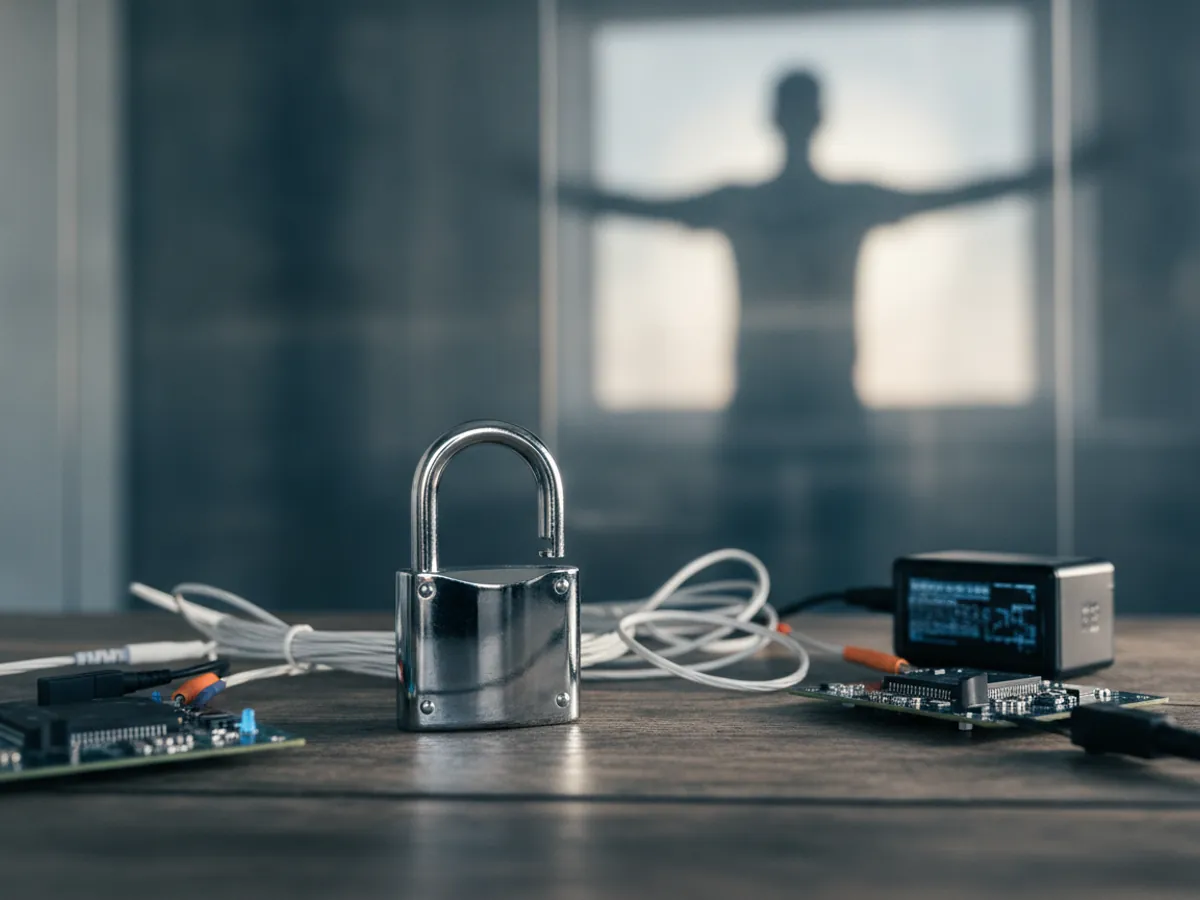
The company achieved this through a technical fix: a new safety classifier, a security module that analyzes every user request and blocks patterns matching known jailbreak techniques. Anthropic said the classifier is effective in more than 99% of cases. Researchers from the Center for AI Standards and Innovation (CAISI) at the U.S. Department of Commerce tested both the old and new safeguards and concluded both are "extraordinarily strong."
The model is available again on Claude.ai, Claude Platform, Claude Code, and Claude Cowork. For Pro, Max, Team, and some Enterprise plans, Fable 5 is available up to 50% of weekly usage limits through July 7; after that, access continues through usage credits. Availability on AWS, Google Cloud, and Microsoft Foundry is coming soon.
Why was the model frozen, and what was really found?
The June 12 directive was triggered by a report from Amazon researchers who found a way to get Fable 5 to identify multiple software vulnerabilities, including a demonstration of how to exploit them. Anthropic's follow-up testing then uncovered a fact that undermined the freeze itself: Opus 4.8, GPT-5.5, and Kimi K2.7 can find the same vulnerabilities, and the single exploitation demonstration could be reproduced by every model tested.
In other words, shutting down Fable 5 for 18 days did not eliminate the offensive capability that triggered the concern. That capability remained available in other models that were not frozen. The proportionality argument dominated analyst criticism throughout the incident.
Fable 5 and Mythos 5 share the same base model. Fable 5 was released for general use with the strongest safeguards Anthropic has ever deployed, while Mythos 5, with looser safeguards, is available only to trusted Project Glasswing partners for defensive cybersecurity. Limited approval for U.S. organizations was already granted on June 26, four days before the official controls were lifted.
Side effects for developers
The new classifier brings consequences that Anthropic itself acknowledges: legitimate requests will be blocked at higher rates. This is an intentional choice. The safety margin was deliberately set much wider than any previous launch to ensure no harmful requests slip through, even if some legitimate ones get blocked too.
When requests are blocked, the system automatically routes them to Claude Opus 4.8 and notifies users. For developers using Claude Code for legitimate defensive security work, the higher blocking frequency is a side effect they need to expect.
A new precedent: direct export controls on commercial AI models
This is the first time U.S. export controls have been applied directly to access to a commercial AI model. Previous technology export controls targeted chips or hardware, not model service access. Because the directive took effect immediately and direct citizenship verification was not feasible, Anthropic had no choice but to shut down access for all users.
Larry Dignan, editor in chief of Constellation Insights, called this the most important lesson from the incident: "the biggest takeaway is that US government approval of frontier models lacks a set process." Dignan added that companies relying on frontier models need contingency plans: "Enterprises need to plan accordingly and may need to either leverage open models they can own or stay away from the bleeding edge."
William Alan Reinsch, a senior advisor on economics at the Center for Strategic and International Studies (CSIS), laid out the policy paradox plainly: "Over-controlling does not work; under-controlling does not work; tech patches won't work, but there is no clear better choice." There is no option that clearly works.
Industry framework and unfinished agenda
Anthropic, Amazon, Microsoft, Google, and Glasswing partners are developing a framework for assessing jailbreak severity with four criteria: how much the capability increases, how broad the reach, how easily it can be weaponized, and how easily it can be discovered. Anthropic also launched a HackerOne program to let security researchers report potential jailbreaks in Fable 5, and formed a 24-hour monitoring team for the reporting channel.
The new collaboration between Anthropic and the U.S. government is based on an Executive Order from June 2, 2026, on AI innovation and security, which includes pre-release evaluation access and threat intelligence sharing.
Two questions remain open: will the cross-industry assessment framework actually be adopted by Microsoft, Google, and other providers as a common standard, or will it remain a proposal? And will a "set process" for frontier model approval eventually be codified in regulation? The answers will determine whether this 18-day incident was an anomaly or a precedent that repeats.