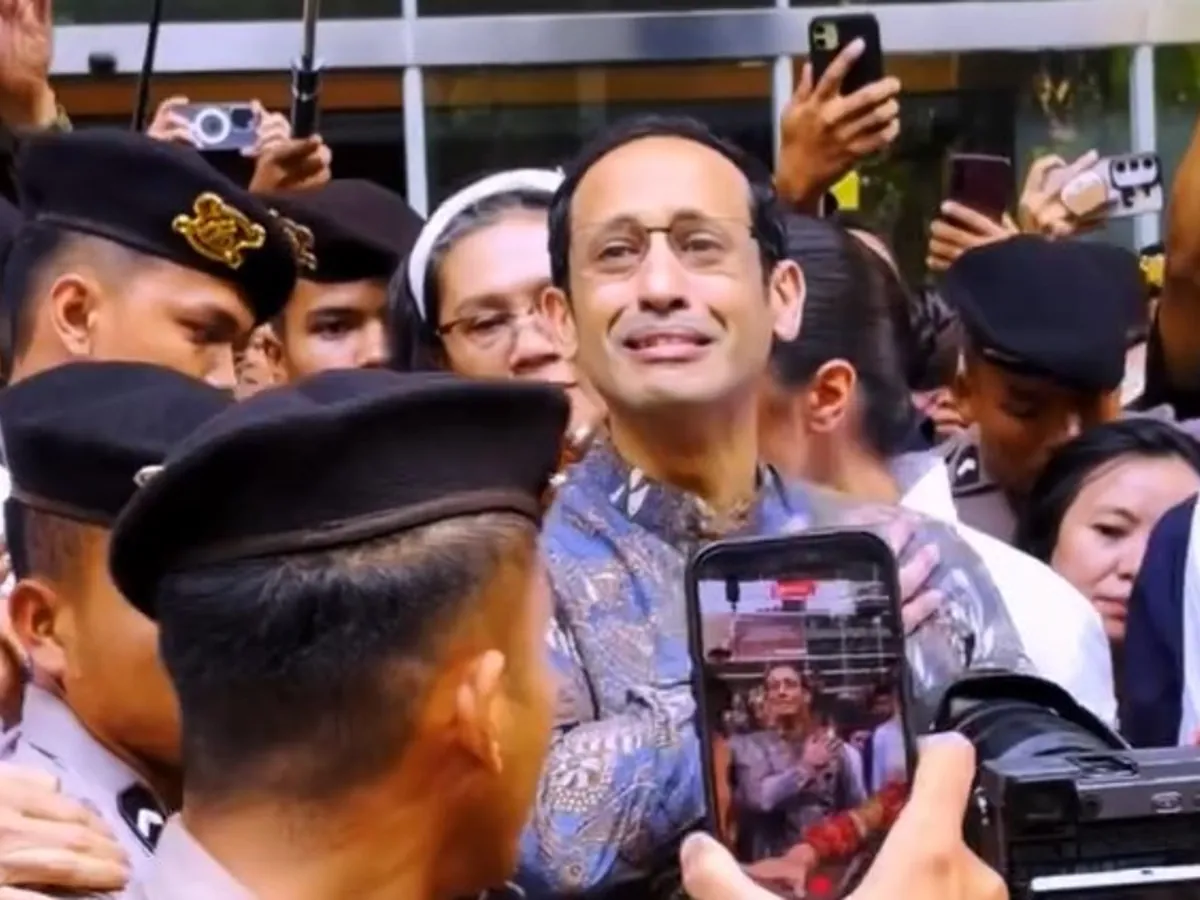

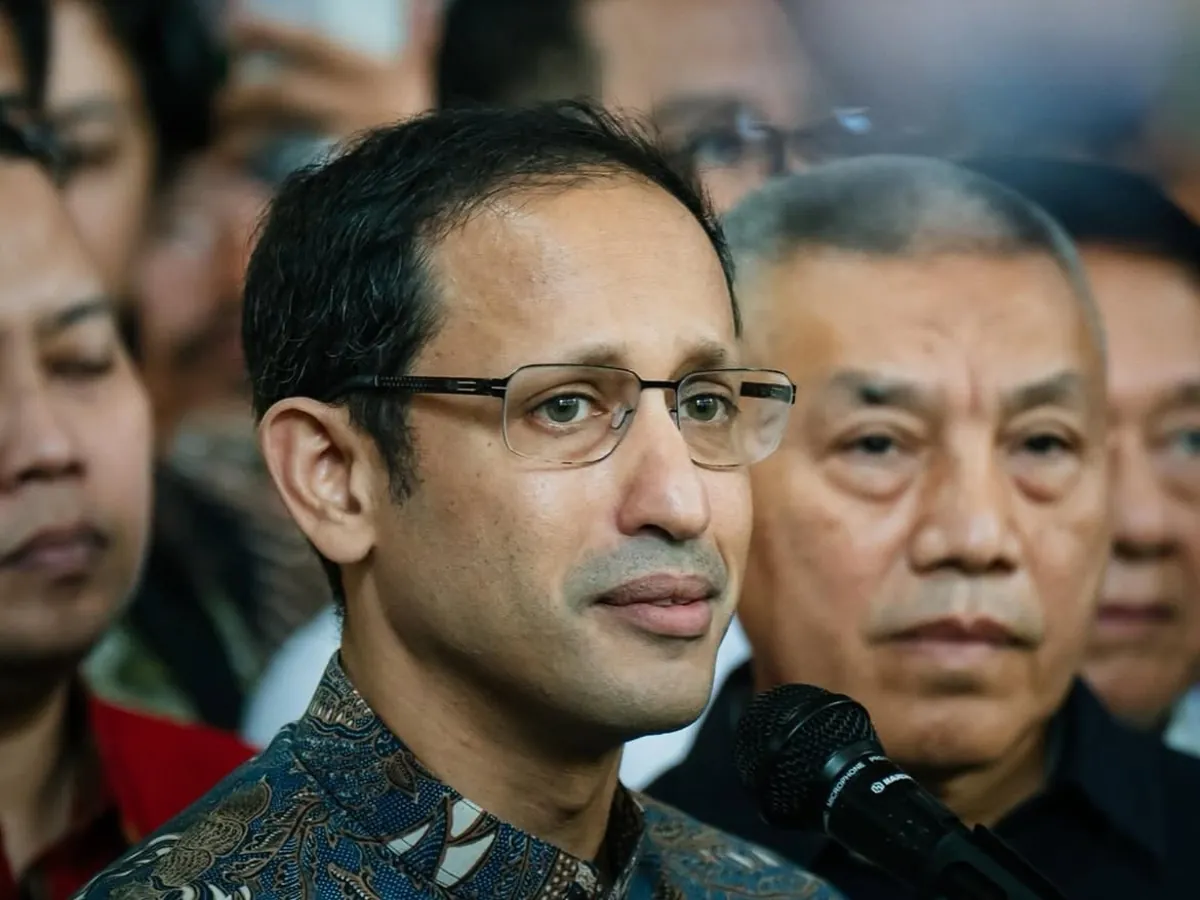
A Jakarta Corruption Court panel on Tuesday, June 30, 2026, sentenced former Education Minister Nadiem Anwar Makarim to 10 years in prison for corruption tied to laptop procurement. In addition, he was fined 1 billion rupiah with 190 days in jail as an alternative penalty, and ordered to pay 809.59 billion rupiah in restitution or face another five years in prison if unpaid. Judge Andi Saputra, however, dissented, arguing Nadiem should be acquitted of all charges.
In Indonesia's judicial system, a dissenting opinion represents a judge's formal disagreement with the panel's majority decision. While it does not change the verdict, it becomes part of the trial record and often forms the basis for arguments in appeals.
Why did one judge seek Nadiem's acquittal?
Judge Andi Saputra found no strong causal link between three core elements of the prosecution's case: the laptop procurement policy, state financial losses, and a related share increase in Google to PT GoTo. He wrote that the "series of factual puzzle pieces assembled from evidence presented at trial has failed to establish the perfect causality necessary to conclude the defendant harbored criminal intent."
Saputra argued that the ministerial regulation signed by Nadiem only specified an operating system broadly, not a particular brand, and therefore did not satisfy the mens rea (criminal intent) required to sustain a corruption conviction. Each of the three events, he contended, stood independently without sufficient causal link to prove guilt.
Six aggravating factors, three mitigating
Presiding Judge Purwanto S. Abdullah enumerated six factors that aggravated the offense. First, Nadiem's actions contradicted the government's commitment to anti-corruption efforts. Second, as a minister, he should have set an example but instead abused his official authority. Third, and most substantive, his conduct was "carried out in a planned, structured, and systematic manner, causing enormous financial losses to the state."
Fourth, the court determined proven state losses at approximately 1.56 trillion rupiah. Fifth, the impact extended to children in areas designated as disadvantaged, frontier, and outermost, who depend on government-funded educational supplies. Sixth, Nadiem's considerable personal wealth meant no financial hardship could mitigate his culpability.
Three mitigating factors weighed in his favor: he had no prior convictions, he remained respectful and cooperative throughout the trial, and he has a track record of contributions to education innovation and technology.
What does Nadiem actually have to pay?
The financial obligations in the verdict differ sharply from the prosecution's demands. Under this sentence, Nadiem must pay 809.59 billion rupiah in restitution, with a five-year prison term hanging over him if he fails to pay within the court-set deadline.
The prosecution's claim of approximately 4.8 trillion rupiah in unexplained assets was entirely rejected by the panel. The judges said such allegations should be pursued through money-laundering procedures, not decided in this primary case. The prosecution had also alleged 2.18 trillion rupiah in actual losses; the court found only 1.56 trillion rupiah proven.
Nadiem contests ownership of the 809.59 billion rupiah, asserting the funds belong to PT AKAB and are unrelated to Google or the Chromebook project.
The appeal and next steps
Immediately after the verdict, Nadiem announced his intention to appeal. "I will continue to fight, for my children, for my family, for the entire nation of Indonesia that I still love. I will fight. I will file an appeal immediately," he said.
Prosecutor Corneles Geeb Paulus H offered no parallel signal. "This is not about who lost and who won," he said after the session. "Today, the law has been upheld. Justice has been served."
On appeal, Andi Saputra's dissenting opinion on mens rea and causality will likely become central to Nadiem's defense strategy. Three other developments warrant close attention: whether the prosecution also appeals following the rejection of the 4.8 trillion rupiah claim, whether a money-laundering investigation is formally opened, and how restitution is paid before the asset-execution deadline. The court set a maximum of one month after the verdict becomes final to settle the payment.