
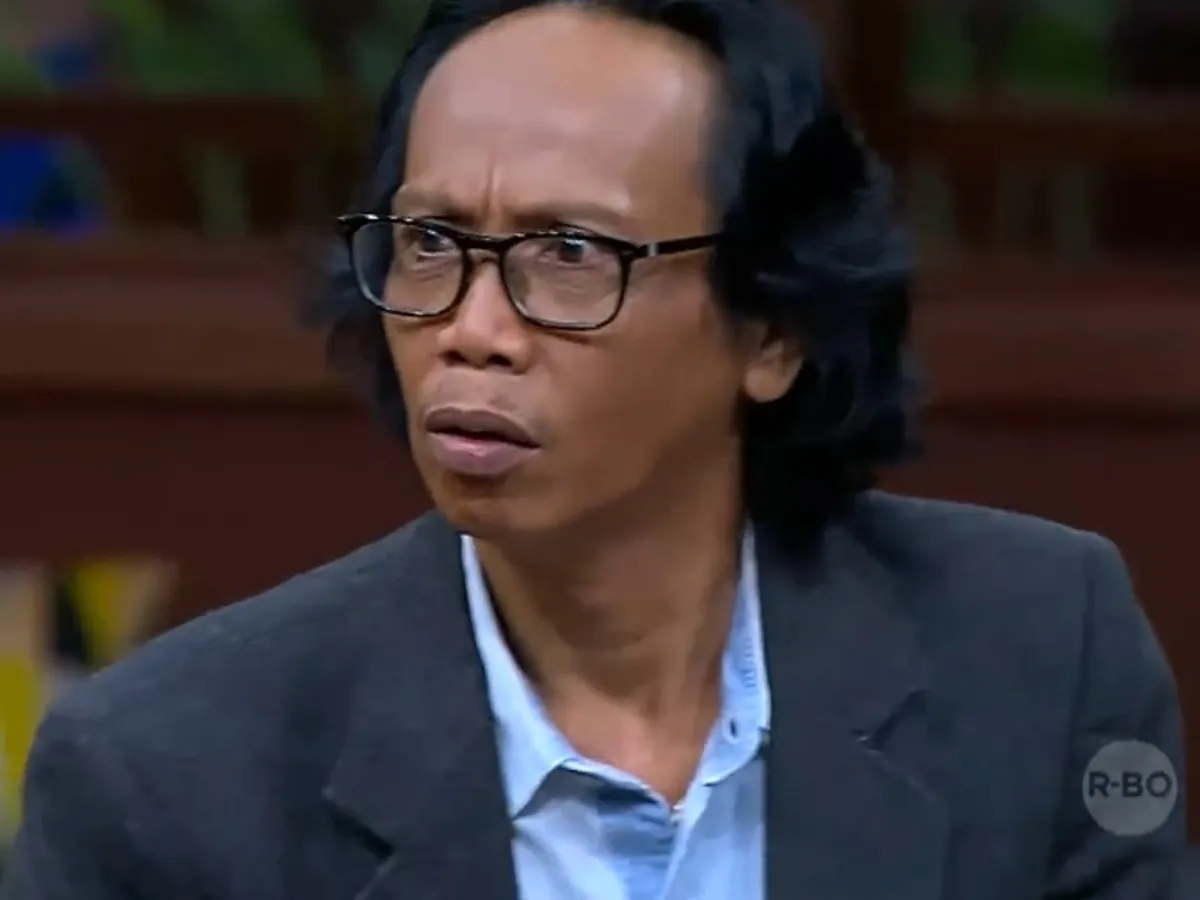
As Jakarta prepared to celebrate its 499th birthday, comedian Mandra delivered an unusual correction: the name of one of Betawi's most iconic art forms has been wrong all along—and he helped spread it.
Mandra claimed that tanjidor, a traditional Betawi wind ensemble, is misnamed. The suffix comes from "bodoran," a Betawi term for comedy, he argued, making the current name technically incorrect. The irony cuts deep: the term became widely known through the 1990s TV series Si Doel Anak Sekolahan, the sitcom that launched him to fame.
"This is exactly what needs to be corrected," Mandra said. "The way we say tanjidor—that's wrong."
What Mandra Says About the Name
Mandra's etymology differs from scholarly accounts. Some researchers trace the word to the Portuguese "tangedor." He presented his argument as a cultural correction rather than an academic finding.
His position is complicated. For decades, he was Betawi's face on television. If the name he now calls wrong did spread through the sitcom he starred in, then his criticism is also a reckoning with his own legacy. Most Indonesians became familiar with Betawi culture through Si Doel—and with it, the names of its art forms.
Big Celebration, Shallow Understanding
On Monday, June 22, Governor Pramono Anung led Jakarta's 499th anniversary ceremony at the Monas complex. Two days earlier, the Betawi Cultural Village at Setu Babakan held a festival on Saturday, June 20, from 9 a.m. to 10 p.m. Ondel-ondel Dinamis (giant puppet figures), Tanjidor, Gambang Kromong (a traditional percussion ensemble), Betawi dance, and Sahibul Hikayat (traditional storytelling) performed in sequence, accompanied by 40 Betawi food vendors.
The evening's centerpiece was a comedy play called "Tempoh Ayunan," featuring Mandra alongside Opick Kumis and Mpo Munaroh, blending theater with Rebana Biang (frame drums), Gamelan Ajeng, Uncul, Topeng Betawi (masked theater), and Silat Betawi (traditional martial arts). "The festival aims to support small merchants while introducing Betawi cuisine and culture to a wider audience," said Debby Novita Andriani, head of the Betawi Cultural Village.
The programming was far from sparse. But all this activity didn't address Mandra's central question: how deeply do audiences actually understand these art forms, especially younger generations?
"Kids are drawn to outside cultures more," he said, without specifying which ones.
Action, Not Slogans
Mandra has voiced similar concerns at previous Jakarta birthday events. As the city pursues "global and cultured" status ahead of its 500th anniversary in 2027, the stakes have risen. Preserving local identity demands more than ceremonial platforms.
"Some artists and cultural advocates have been developing these forms," Mandra said. "But artists alone can't do it. We can't stop at slogans—there has to be real action."
His wish was straightforward yet weighty in a city of over 10 million that draws migrants nationwide: "I always have hope, a sincere wish: that Betawi culture becomes the master in its own house."
Whether Jakarta's provincial government will move beyond ceremony—and address cultural issues including the terminology debate Mandra raised—may become clear as the city approaches its 500th anniversary in 2027.