

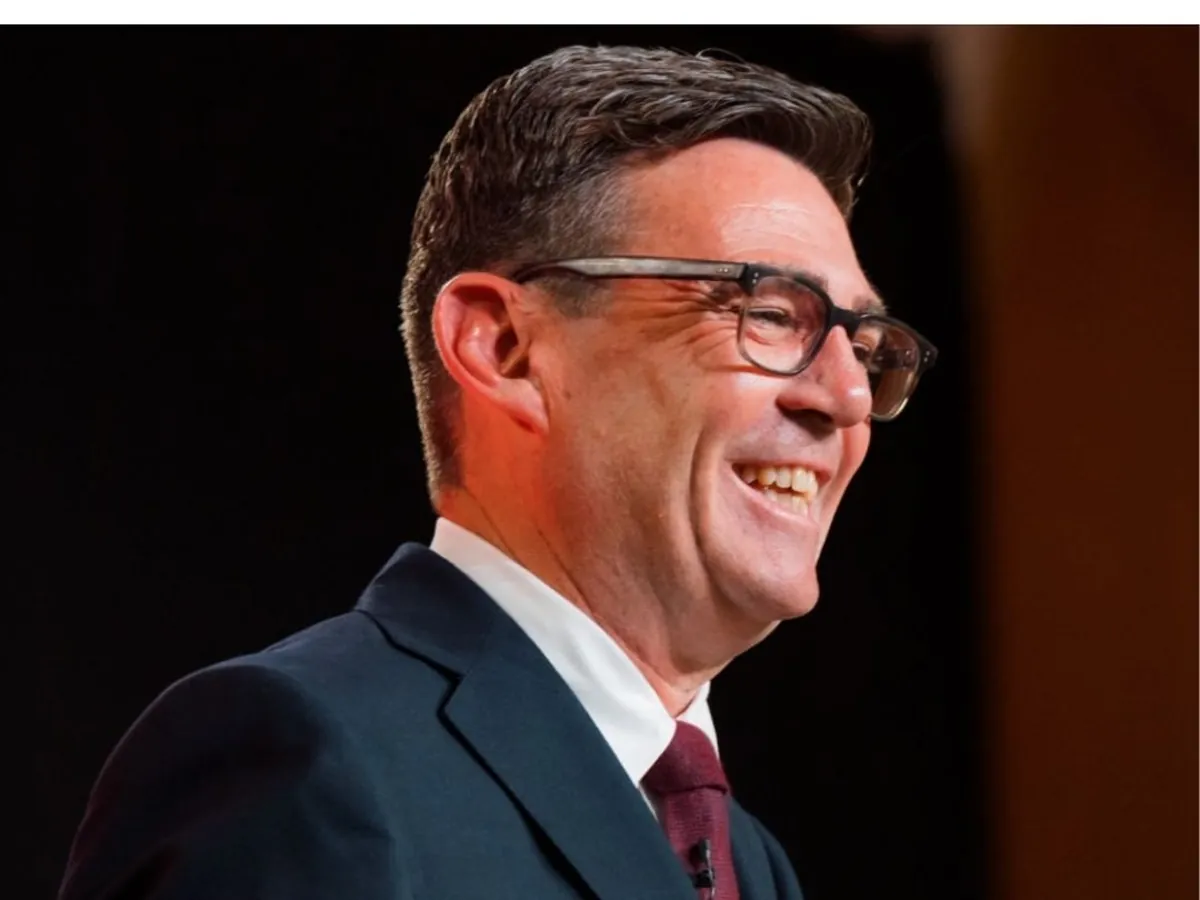
Andy Burnham was sworn in as prime minister of the United Kingdom on Monday, July 20, 2026, succeeding Keir Starmer after receiving a mandate from King Charles III to form a government. The 56-year-old former mayor of Greater Manchester is Britain's seventh prime minister since 2016. In his first speech outside 10 Downing Street, he made ending rough sleeping his government's first instruction. Within the same hour, he called US President Donald Trump to discuss security and the Strait of Hormuz.
Burnham was elected Labour leader unopposed, so the handover did not require a fresh general election. The next election is due by 2029 at the latest, unless he calls one early.
A £340 million fund for rough sleepers
"I will soon go through that door behind me and issue my first instruction: to end rough sleeping in our country," Burnham said outside Downing Street. His government is putting up an additional £340 million over three years, roughly £113 million a year, for housing-based programs and social support. The funding is projected to reach at least 3,000 long-term rough sleepers over five years by procuring housing suited to their needs.
The scale of the problem is clear from official government data collected in autumn 2025: an estimated 4,793 people were sleeping rough on a single night, the highest figure on record, up 3 percent from 2024 and 171 percent from 2010. Forty-three percent were in London and the southeast of England. Of the recorded population, 3,938 people, or 82 percent, were men, and 4,108, or 86 percent, were 26 or older.
Matt Downie, chief executive of the charity Crisis, welcomed the move while stressing the scale of the problem. "Rough sleeping is a moral stain on our country; a normalised emergency born out of years of chronic underinvestment in support services and a failure to build new social homes at anywhere close to the scale required," he said. Burnham's government is also planning more local-authority housing, expanded mental health support, better education access, and job assistance for young people, aiming to cut long-term welfare spending through prevention.
Why does the Trump call matter for Burnham's foreign policy?
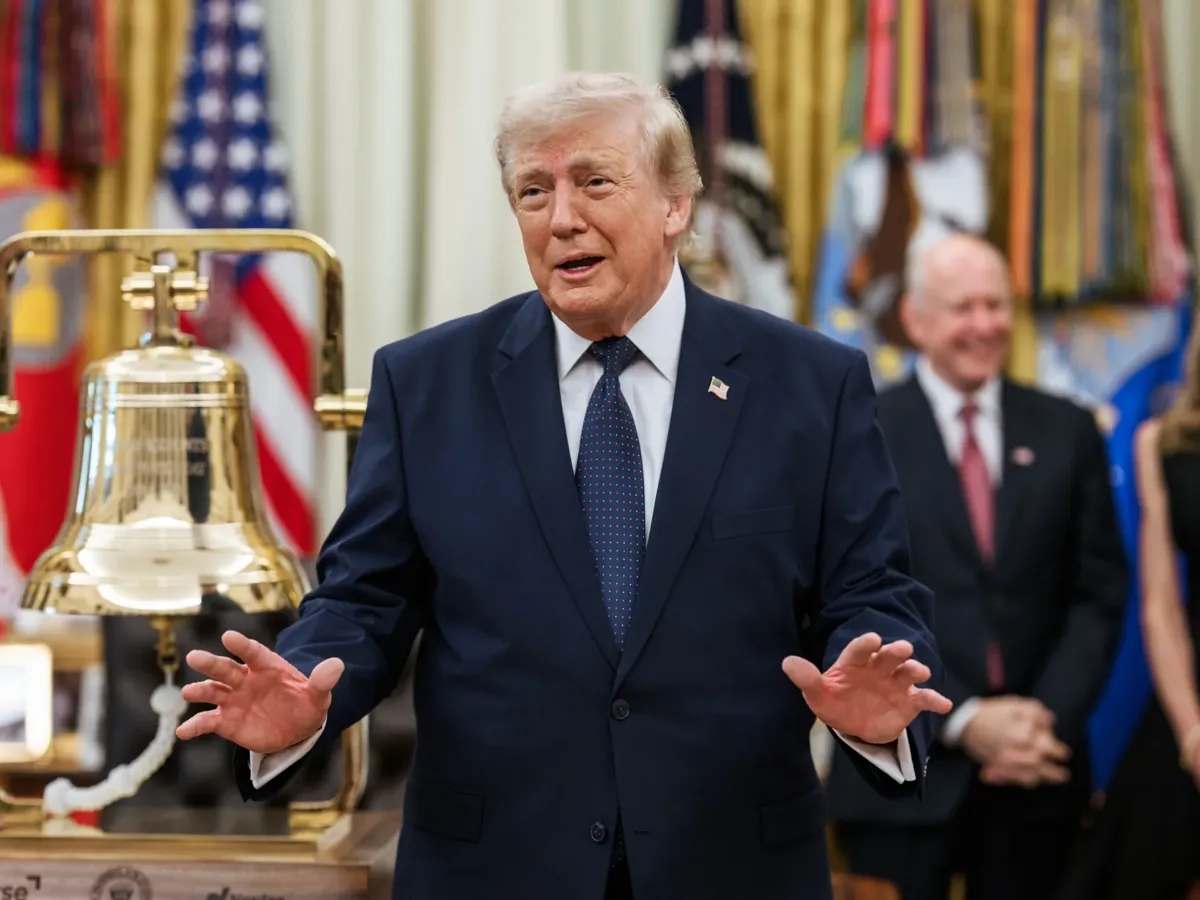
The call mattered because Burnham arrived in Downing Street with a strong record in domestic politics but no track record on the world stage. Downing Street quickly stressed that the security of the UK and its allies was the top priority, and tied the free flow of the Strait of Hormuz to costs borne by British businesses and households.
"The Prime Minister... underlined his commitment to defence and security and said ensuring the security of the UK and its allies was at the top of his agenda," a Downing Street spokesperson said. According to that statement, Trump gave an update on the situation in the Middle East, and Burnham "outlined the UK's commitment to securing the movement of shipping in the Strait of Hormuz to support global supply chains and drive down costs for businesses and families across the country."
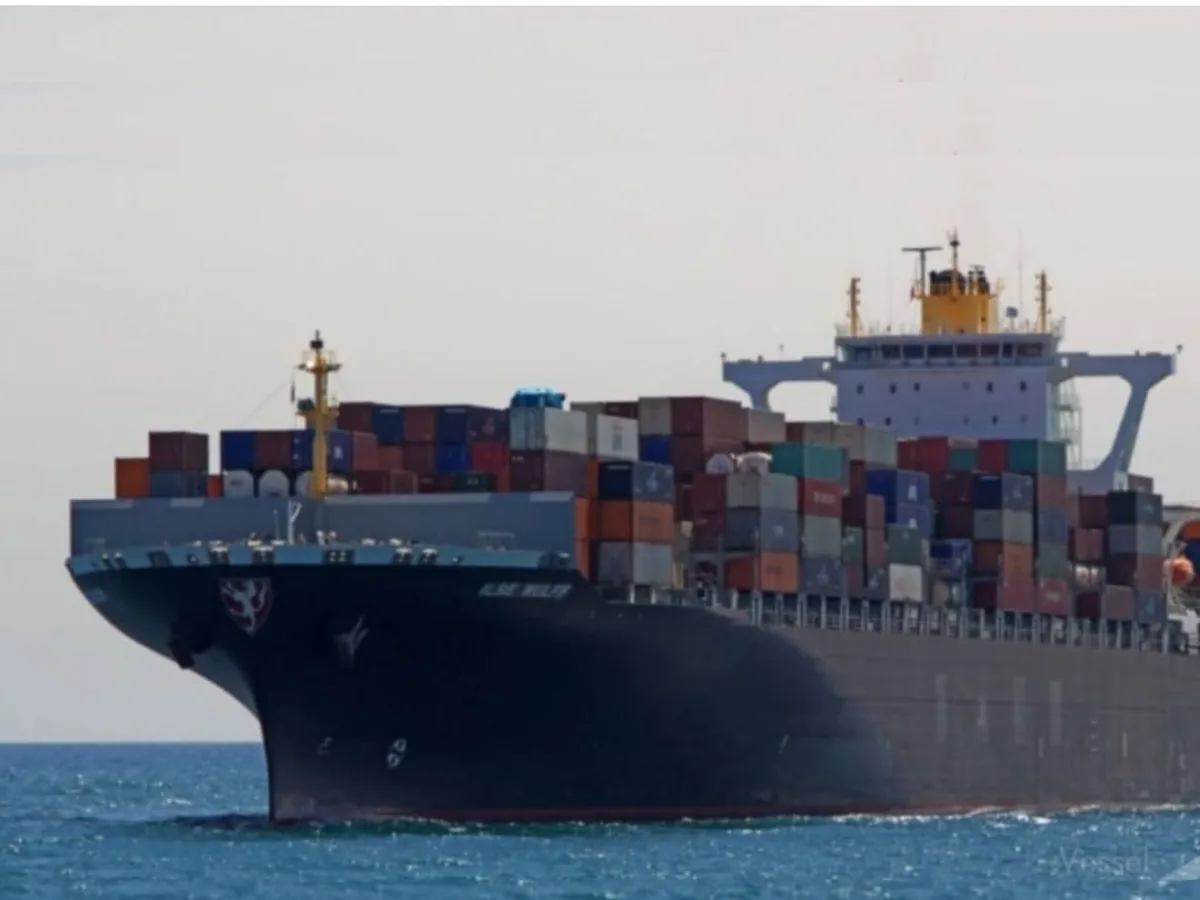
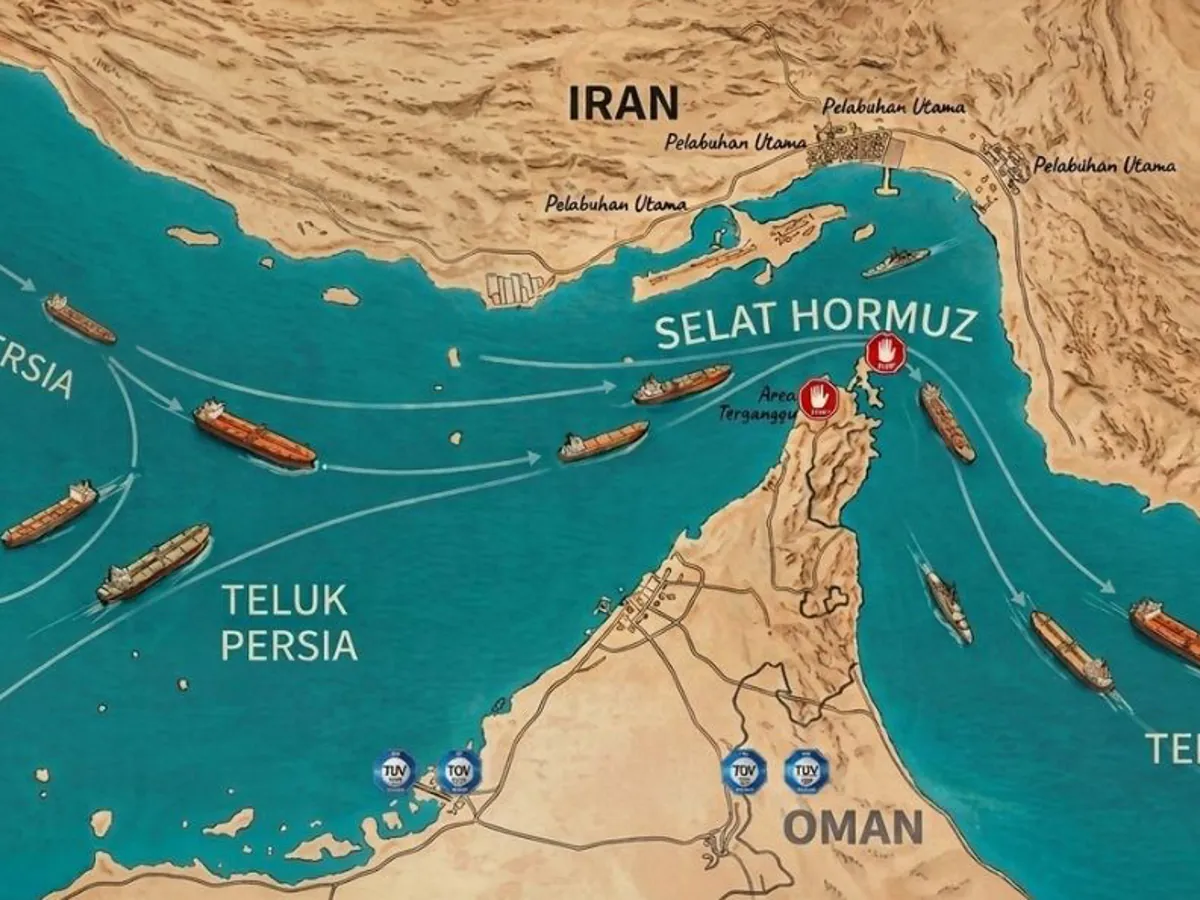
The strait has repeatedly been a flashpoint this year, including when Iran closed the shipping lane again after an attack on the vessel GFS Galaxy, amid tensions tied to the US pivot toward Iran and the Gulf. For Indonesia, Hormuz security has a direct bearing on energy flows, shipping costs, insurance premiums, and global commodity prices, even though Indonesia has no direct stake in this change of UK government.
Can the Manchester model work nationally?
Burnham's approach is rooted in his experience in Manchester. Since becoming mayor of Greater Manchester in 2017, he has run the "A Bed Every Night" program and a Housing First approach: providing stable housing first, then connecting people to healthcare and social support.
The national scale is far larger, and results have varied by region. 2025 data show street homelessness rose in 51 percent of local authorities, held steady in 10 percent, and fell in the remaining 40 percent. The northwest of England, Burnham's own political base, actually recorded an increase, from 367 people in 2024 to 441 in 2025, up 20 percent. That means the success of his new program will be judged on data about people entering and leaving street homelessness and on the durability of their housing, not just the number of emergency beds available.
The handover closes out a Starmer premiership that lasted roughly two years, leaving behind pressure on the cost of living, demands to raise defense spending, and an unresolved war around Iran. The details of how the £340 million is distributed, including the regional breakdown and the deadline for housing the first 3,000 recipients, will be the first test of whether Burnham's inauguration-day promise holds up.
Comments