
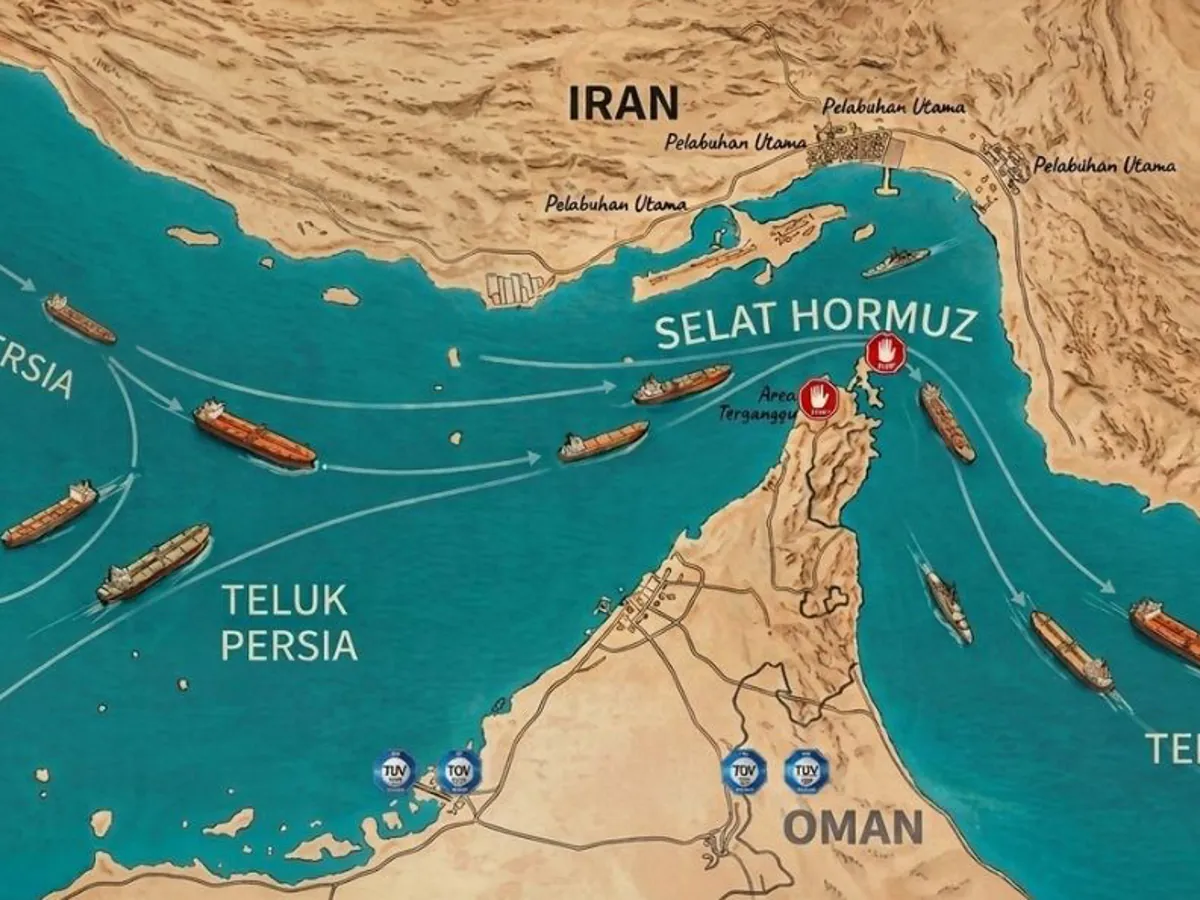
Conflicting claims emanated from the Persian Gulf on Saturday, June 20. Iran's military command declared the Strait of Hormuz closed to shipping. Hours later, U.S. Central Command (CENTCOM) reported something different: 55 merchant vessels transited the strait that same day, carrying more than 17 million barrels of oil.
That gap between the claims is the essence of the crisis. How long Iran's declaration can stand against the physical reality at sea will determine oil prices and the momentum of U.S.-Iran negotiations in Switzerland.
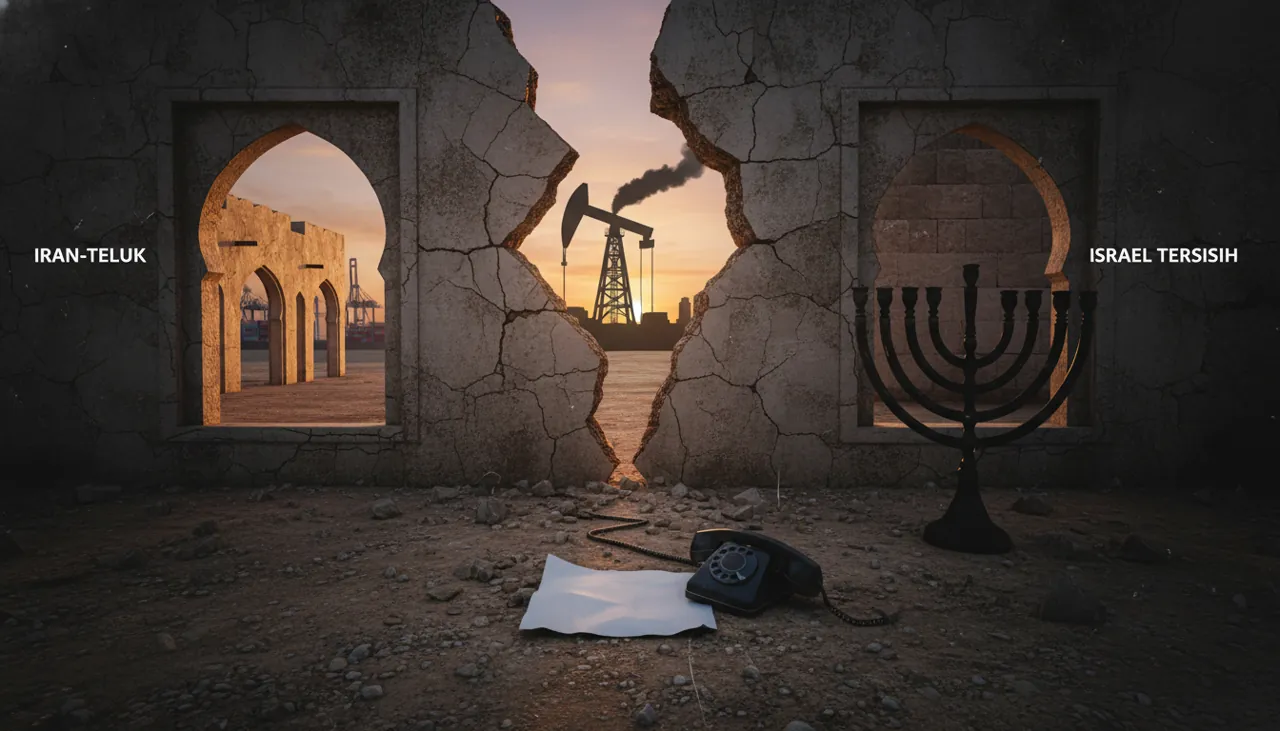
Iran tied the closure to a third-party conflict: Israel's ongoing air strikes in southern Lebanon. Tehran said the strikes breached the first clause of a peace memorandum of understanding (MoU) signed by Trump and Iranian President Masoud Pezeshkian on June 17—a clause mandating a ceasefire on all fronts, including Lebanon.
Is the Strait Truly Closed?
According to U.S. data, no. "Iran does not control the Strait of Hormuz," Captain Tim Hawkins, CENTCOM spokesman, said. "Traffic continues to flow, and U.S. forces are monitoring the situation to ensure this remains the case."
For now, Tehran's declaration is a political signal and a negotiating lever—pressure on Washington to push Israel to honor the ceasefire in Lebanon, something not entirely within U.S. control. As long as vessels keep moving and CENTCOM can prove it, Iran's closure remains a declaration, not a physical blockade. If Iran chooses to enforce it with actual measures—mines, ship seizures, or navigation interference—the situation changes instantly.
Two Conditions Simultaneously
Iran's Tasnim news agency, citing officials familiar with the negotiating team, reported that the strait will not reopen until two conditions are met simultaneously: a ceasefire in Lebanon is honored, and Iran's oil sales are allowed to resume. A Hezbollah official speaking to the AP added details: Iran will not open the strait until Israel publicly commits to a comprehensive ceasefire in Lebanon and halts military operations.
By imposing both conditions, Tehran is tethering the fate of the world's most important energy corridor to two separate variables—Israel's military behavior in Lebanon and the U.S. sanctions regime on Iranian oil. Iran's Foreign Ministry spokesman Esmaeil Baghaei made clear: without implementation of the first MoU clause, including the end of fighting on all fronts, negotiations toward a final agreement cannot begin.
Lebanon as the Trigger
The Israel-Hezbollah ceasefire announced by Trump on June 19 was fragile from the start. Overnight leading into Saturday, Hezbollah fired more than 50 rockets from southern Lebanon. Israel responded with strikes that killed seven people and wounded 13 others in the village of Qannarit near Sidon, according to Lebanon's National News Agency (NNA). Euronews reported at least 16 dead on Saturday, including two children, with the total death toll from the Israel-Hezbollah conflict exceeding 4,000.
This pattern favors Tehran structurally: each new Israeli strike in Lebanon gives Iran formal justification to maintain its "closed" status at Hormuz without escalating further. The ceasefire dynamics are explored further in Israel-Lebanon Cease-Fire Fractures, Shadow of Garuda Forces.
Energy Prices and Impact on Indonesia
The Strait of Hormuz carries roughly 20 percent of the world's seaborne oil and 20 percent of its LNG supplies. At the peak of the 2026 crisis, Brent crude reached $126 per barrel—putting severe pressure on net-importing nations.
For Indonesia, even the threat of disruption at Hormuz is enough to move risk premiums, shipping insurance costs, and benchmark oil prices—long before a single tanker stops. Indonesia's vulnerable rupiah and capped fuel subsidies expose it directly to the downstream effects of this crisis. Detailed calculations are in Hormuz Crisis Heats Up, Oil Prices Threaten Indonesian Fuel Subsidies.
German Defense Minister Boris Pistorius called Strait of Hormuz security a direct European interest and blamed Trump for the diplomatic stalemate that led here. Trump warned that Washington would impose a levy if a final agreement is not reached within 60 days, positioning the U.S. as what he called a "guardian angel to the countries of the Middle East." More on Washington's pivot to the Gulf is detailed in U.S. Pivots to Iran-Gulf, Israel Sidelined Behind Trump's Fracture.
Three Key Indicators Ahead
CENTCOM's daily transit data is the most concrete indicator: whether the number of vessels passing through begins to drop within days. Lebanon's ceasefire stability is the trigger—each new Israeli strike directly strengthens Tehran's hand. U.S.-Iran talks in Switzerland on the MoU's first clause and Iran's oil sales permit are where any resolution, if it comes, will take shape.