
Donald Trump did not deny it when asked whether he had dressed down Benjamin Netanyahu by phone earlier this week. "I did," he said on the New York Post podcast Pod Force One, released on Wednesday, June 3, 2026. The US president admitted he was "a little annoyed" with the Israeli prime minister for pressing on with the fight against Lebanon. What turned the call into something larger than friction between two allies was its timing. According to several reports, the Monday, June 1 exchange briefly stalled an Israeli plan to bomb Beirut, the Lebanese capital, just as Washington was trying to broker a peace deal with Iran.
That is where the real shift lies. For the first time in this conflict, the US government treated an Israeli military escalation not as part of its strategy but as an obstacle to it. Within days of the call, Washington's policy line in the Middle East began moving toward something far bigger than a personal feud between two leaders.
Not a quarrel, but a change of axis
It is tempting to read this as old allies bickering. Netanyahu himself encourages that reading. "We have common goals, and sometimes we have tactical differences, as even the best of families do," he told CNBC. "We always find a way to resolve them as good friends. We can disagree in the morning and align by the afternoon." Trump softened his tone on the same podcast: "We work together very well. I like Bibi a lot."
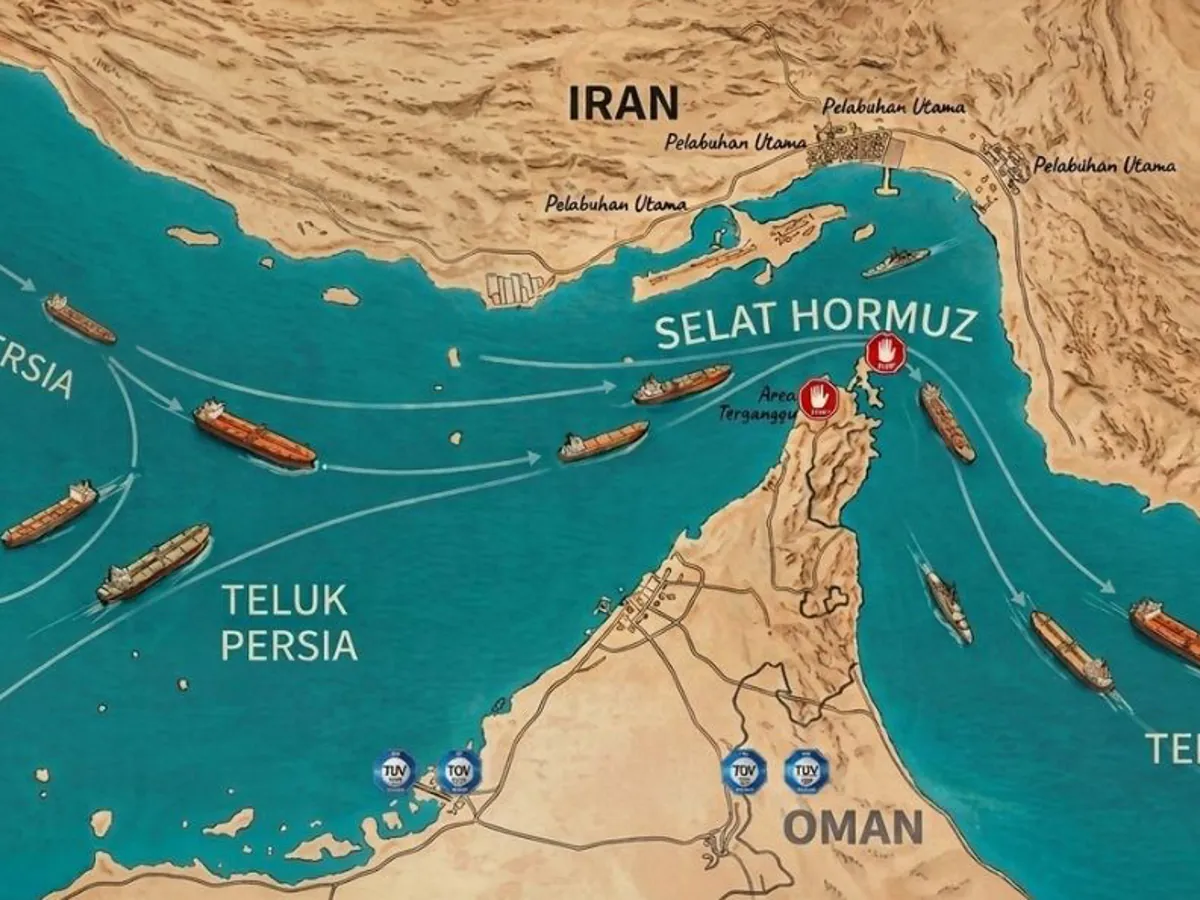
But framing the dispute as a mere tactical difference hides the heart of it. What is contested is not tone, but two clashing doctrines over what to do now that the ceasefire has taken hold, effective April 8, 2026. Trump is betting on diplomacy. He is pursuing a package deal that ties together the reopening of the Strait of Hormuz, an extension of the ceasefire, and the possible release of frozen Iranian assets. Netanyahu is betting on the opposite: that only sustained military pressure will force Tehran to comply, and that Hezbollah in Lebanon must therefore be kept under fire. The plan to strike Beirut was an expression of that conviction, and it is what triggered Trump's anger.
The war behind all this began on February 28, 2026, when the United States and Israel launched strikes on Iran. The Lebanese front opened days later, on March 2, when Iran-backed Hezbollah resumed firing rockets into northern Israel. The joint US-Israeli campaign against Iran ran until the guns finally fell silent in early April. The question has always been the same: what comes next. The two allies now answer in opposite directions, and the United States is choosing its own road.
Frozen Iranian assets and the rise of the Gulf
The strongest clue to where Washington's axis is moving emerged on Saturday, June 6. The United States is reportedly weighing whether to channel frozen Iranian assets toward rebuilding the Gulf states hit by Iran's attacks. US Treasury Secretary Scott Bessent is said to have ordered his team to assess the damage, according to a Reuters report cited by The Spokesman-Review.
If the scheme materializes, it redraws the region's map of interests. The Gulf states — Kuwait, Bahrain, and other Arab partners — rise to become the main beneficiaries, and gain a hand in how the region is governed after the ceasefire. Israel, long Washington's closest ally, slips into the role of a variable to be managed so it does not reignite the conflict. This is the real reversal: the center of gravity in US policy is moving away from propping up Israel's maximum-pressure doctrine and toward a regional compromise that puts the Gulf first.
Here the numbers call for caution. Mohsen Rezaei, an adviser to Iran's Supreme Leader, told CNN that a peace deal hinges on the release of $24 billion in Iranian assets. But that figure comes from the Iranian side, not from any official US confirmation, and remains unverified by American sources. The distinction matters: a unilateral demand from Tehran is not a commitment Washington has agreed to. The same caveat applies to claims that the Pentagon has raised its counterintelligence threat assessment of Israel to the highest level, and that senior US officials are using burner phones when visiting Israel, as reported by India TV News on June 6. Those reports rest on anonymous officials and have not been officially confirmed. They signal how deeply distrust has seeped in, but they cannot be treated on a par with Trump's on-the-record remarks.
The quote going around, and the quote that was actually said
One point deserves correcting, concerning the most-quoted line from this episode. The version circulating widely has Trump asking Netanyahu, "Are you fing crazy? What are you fing doing?" and adding, "I'm saving your a***." But words that blunt appeared as the interviewer's characterization, not as a direct quote spoken by Trump word for word. Trump acknowledged in general terms that he had scolded Netanyahu, without repeating the exact phrasing, as PBS NewsHour noted.
What actually came out of Trump's mouth was more measured. He said he was "a little annoyed" with Netanyahu for continuing to fight Lebanon, and that he had pressed the prime minister to stop. The gap between a verbatim quote and an interviewer's paraphrase is no small matter for readers: the first is a statement by the president, the second is a media dramatization. The substance of the anger is real, but the weight of the words should not be overstated.
Why this reaches Indonesia
For Jakarta, this shift is no distant spectacle. The most direct channel is energy. Trump has linked the reopening of the Strait of Hormuz to an extension of the Iran ceasefire. Each time diplomacy stalls, oil prices risk staying high — a strain that already hangs over the state budget (APBN) and the government's pledge to hold the line on subsidized fuel prices. If Netanyahu wins the argument and escalation returns to Hormuz, it is the cost of living at home that will feel the tremors.
Then there is the safety of citizens. Iran's strikes on Kuwait and Bahrain in early June put hundreds of thousands of Indonesian migrant workers and umrah pilgrims across the Gulf within a real radius of risk. Kuwait's military reportedly faced seven ballistic missiles passing over residential areas without causing any deaths, while US forces struck Iranian coastal radar sites at Goruk and on Qeshm Island on June 5, hours before the missile wave.
The third dimension is subtler but longer in reach. As the world's largest Muslim-majority country that does not recognize Israel, Indonesia reads the regional map through three lenses: the Organisation of Islamic Cooperation (OIC), trade ties with the Gulf, and its two-state position on Palestine. If Washington's axis truly swings toward the Gulf and trades military pressure for financial compensation drawn from Iranian assets, all three lenses move with it. The implication is concrete. The deal Washington is drafting could stop at Iran-Gulf matters alone, or it could drag normalization back onto the table and put Indonesia's stance on Palestine under fresh scrutiny. Which of the two comes to pass will shape Jakarta's room for diplomatic maneuver in the months ahead.
What remains unresolved
Trump says a deal could be reached "within the next week," but Iranian Foreign Minister Abbas Araghchi denies there has been any "significant progress." The distance between those two claims is the first test: whether the Hormuz reopening and ceasefire extension actually happen, or whether Trump's optimism proves premature.
A few things merit close watching. First, official confirmation from the US Treasury of the plan to channel Iranian assets to the Gulf, and Tehran's response, which could become a new flashpoint for a ceasefire that remains fragile. The $24 billion figure needs to be tested against primary sources, not left as one side's assertion. Second, whether Netanyahu genuinely holds back from striking Beirut, or whether the friction recurs. Third, the posture of Indonesia's Foreign Ministry and the OIC, along with safety advisories for migrant workers and pilgrims in the Gulf. For now, only one thing is certain: the rift the two allies once kept hidden is out in the open, and the United States no longer treats Israel as its axis.