

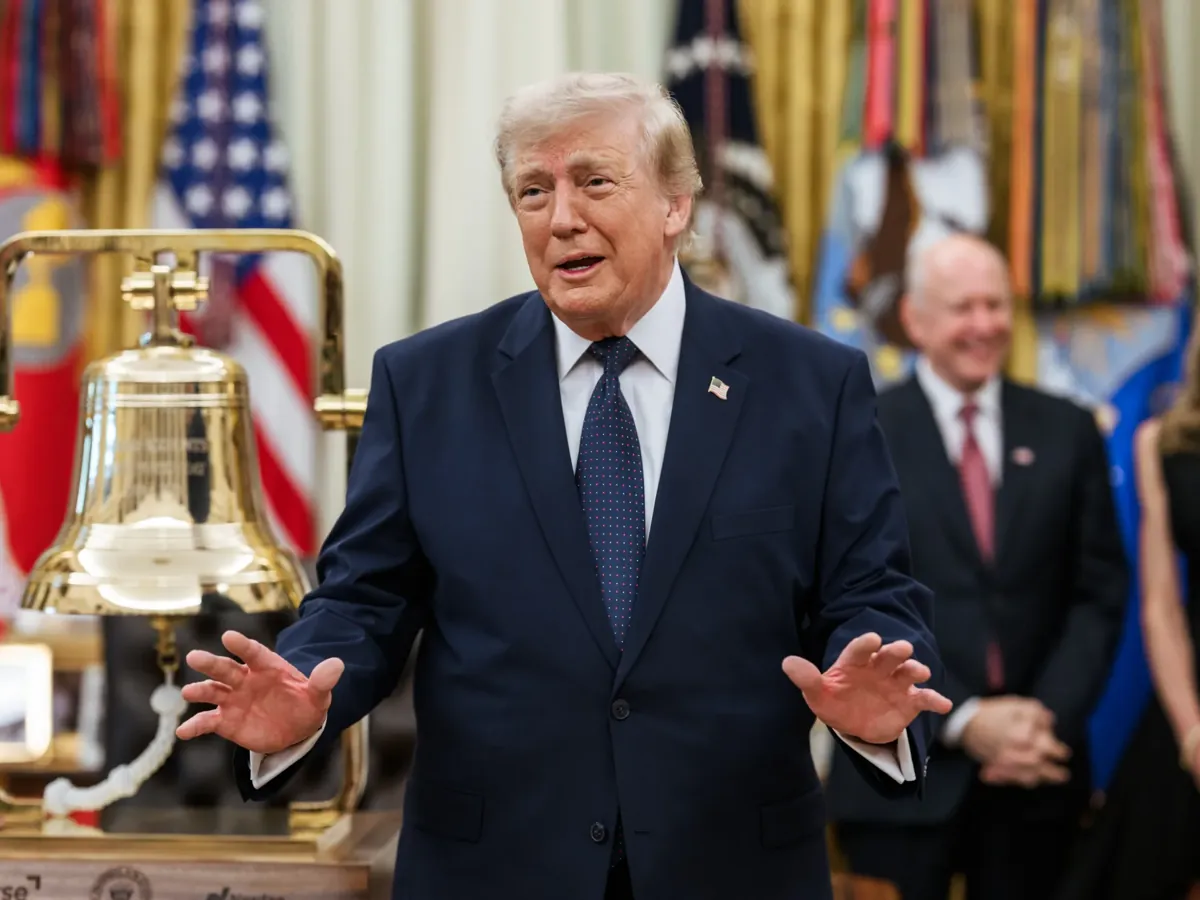
US President Donald Trump said Iran's supreme leader, Mojtaba Khamenei, is "90 percent gone," in a Fox News interview on July 14, 2026. That same day, Iran fired missiles and drones at a Kuwaiti navy vessel and two United Arab Emirates tankers in the Strait of Hormuz, the world's busiest oil and gas shipping route. Brent crude jumped 13 percent over four trading days after the attacks.
Trump framed the claim as proof of victory over Iran, saying the combined US-Israeli campaign had wiped out the country's entire military. "They (Iran) don't have a Navy. They don't have an Air Force. It's all gone," he said. The hours that followed told a different story: Iranian missiles and drones struck the Kuwaiti navy vessel, three border posts, and an offshore oil platform belonging to Kuwait Oil Company, wounding four of the country's servicemen.
Why does Trump believe Mojtaba Khamenei is dead?
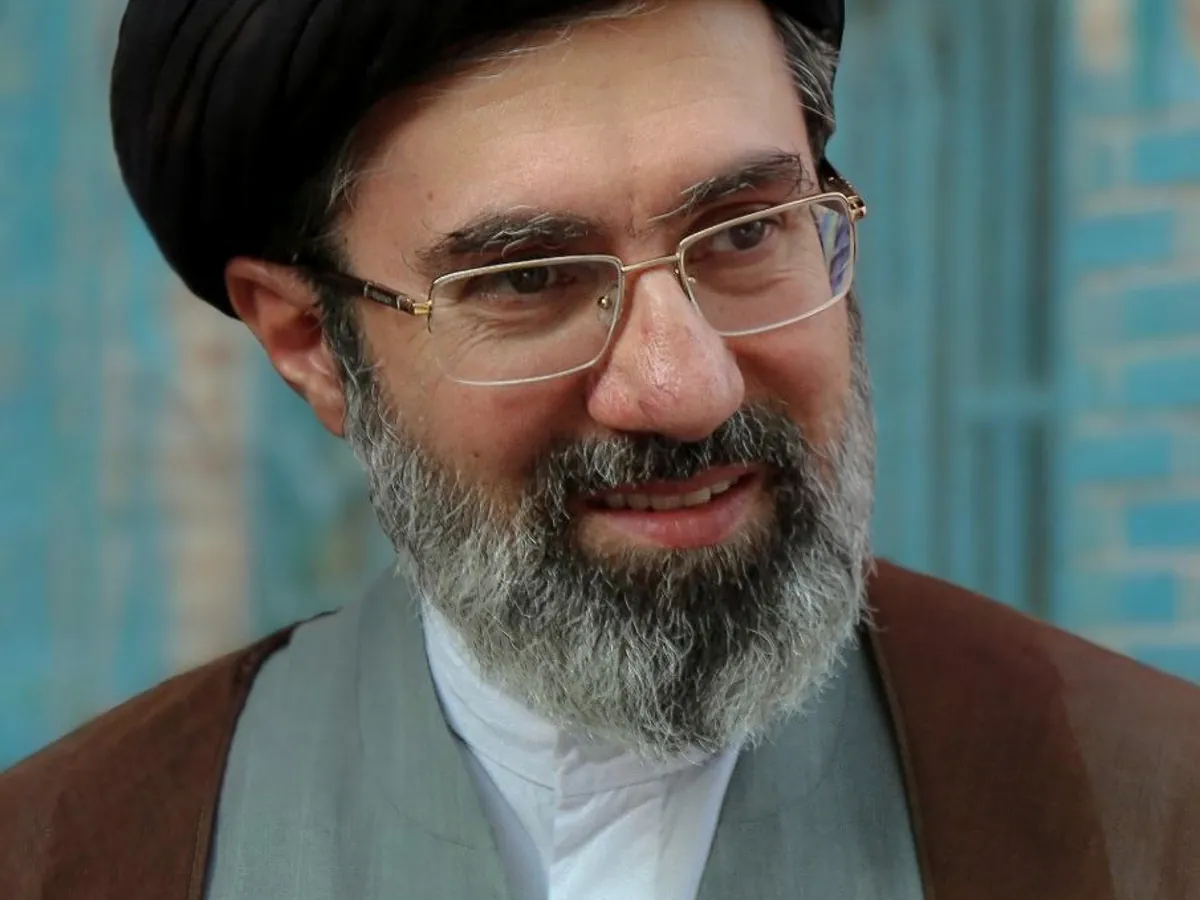
Trump based his claim on a joint US-Israeli strike on February 28, 2026, that killed Ali Khamenei, Mojtaba's father, and on Mojtaba's absence from public view since he was named as his father's successor in early March. He has not appeared in public since, including missing his father's funeral, held July 4-9 with millions of mourners in Tehran. That absence appears to be the basis for Trump's speculation, not death confirmed by any independent source.
No one but Trump has confirmed the claim. Four days earlier, Iran had released a written statement in Mojtaba's name insisting that avenging his father's death was the will of the Iranian nation and must be carried out. That statement directly contradicts Trump's narrative, and Iran has neither denied nor confirmed the "90 percent gone" claim so far. The millions of mourners in Tehran, where Mojtaba was absent from the procession, remains the only public clue to his whereabouts.
Attacks spread to Kuwait and UAE tankers
Colonel Saud Abdulaziz Al-Atwan, spokesman for Kuwait's Ministry of Defense, confirmed that one of the country's navy vessels was targeted in the Iranian attack. "One of the naval vessels of the Kuwait Navy was also targeted, resulting in injuries to four members of the armed forces," he said. Around the same time, Iran also struck two UAE tankers in Omani waters on the southern side of the Strait of Hormuz, killing one Indian crew member and wounding eight others.
The attacks came just as Trump claimed total victory, and showed Iran still has the capacity to strike at sea, contradicting the picture of a military that had "all gone." Trump raised the stakes further, announcing on Truth Social a planned 20 percent tariff on all commercial cargo transiting the Strait of Hormuz, which he described as compensation for US security protection. Iranian Foreign Minister Abbas Araghchi rejected the proposal outright. "Of course 20 percent is too much. We will be fair," he said. The tariff plan also drew objections from the UN's International Maritime Organization, which called it legally baseless under international rights of passage, echoing tensions from an earlier episode when Iran declared Hormuz closed even as 55 ships kept moving through it.
How much is this hitting global oil prices?
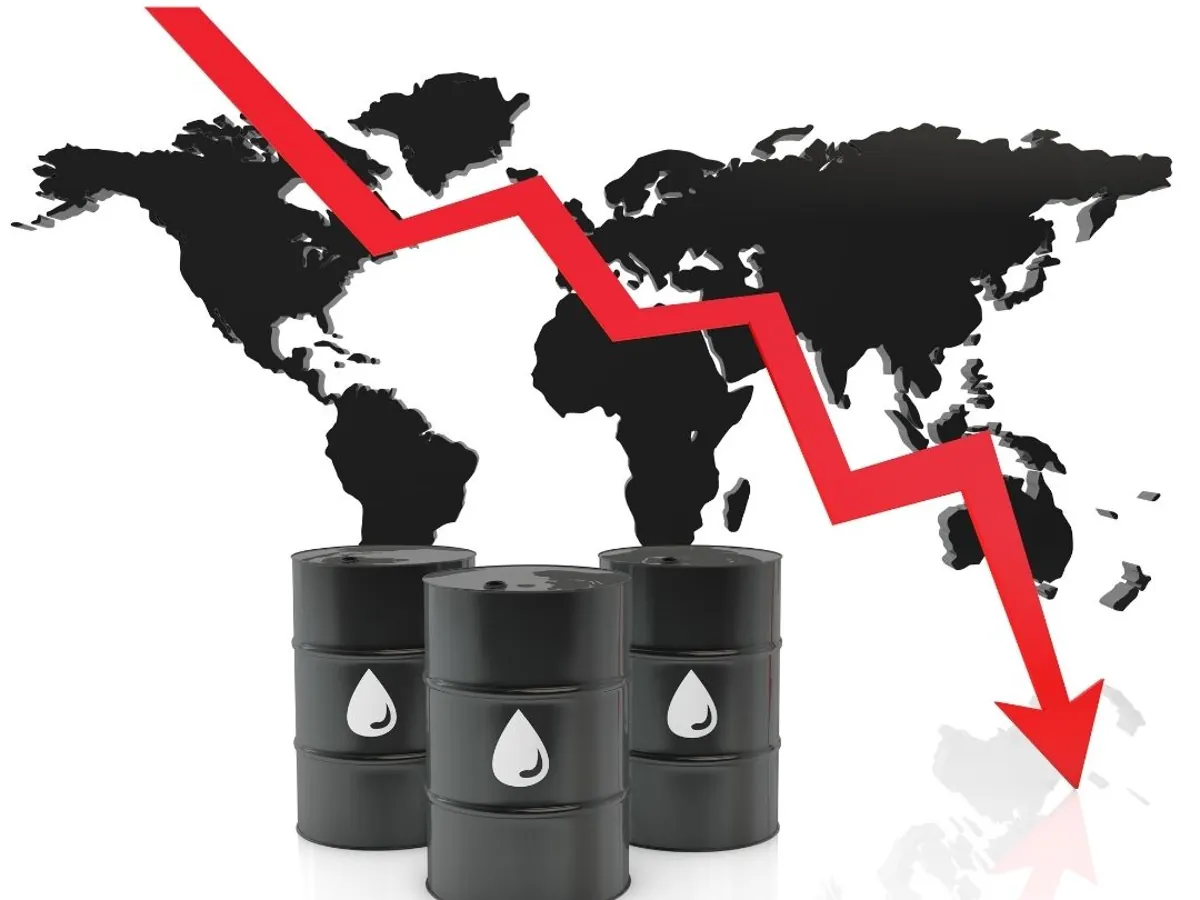
Brent crude rose from $76.01 a barrel on July 10 to $86.19 on July 14, a gain of about 13 percent in just four trading days. WTI climbed too, to $79.67 a barrel over the same period. The surge reverses a sharp price slide in the second quarter of 2026 and revives the risk of energy cost pressure for oil-importing countries, including Indonesia, whose tanker routes also cross the Gulf.
A Reuters/Ipsos poll completed July 12, 2026, found 79 percent of Americans expect the war with Iran to drag on, up from 65 percent in late March. Only 18 percent expect the conflict to end within weeks, while 37 percent support US military strikes on Iran. The numbers show American public opinion growing more skeptical of Trump's quick-victory narrative, a contrast with his administration's policy pivot toward the Gulf region detailed in a separate report on the US shift to Iran and the Gulf, with Israel sidelined amid a Trump rift.
Iran's government has not issued an official statement responding to the claim about Mojtaba Khamenei's death. Implementation of the 20 percent Hormuz tariff and a formal IMO response are also still pending, while further oil price moves will determine the pressure on state budget assumptions and domestic non-subsidized fuel prices.
Comments