

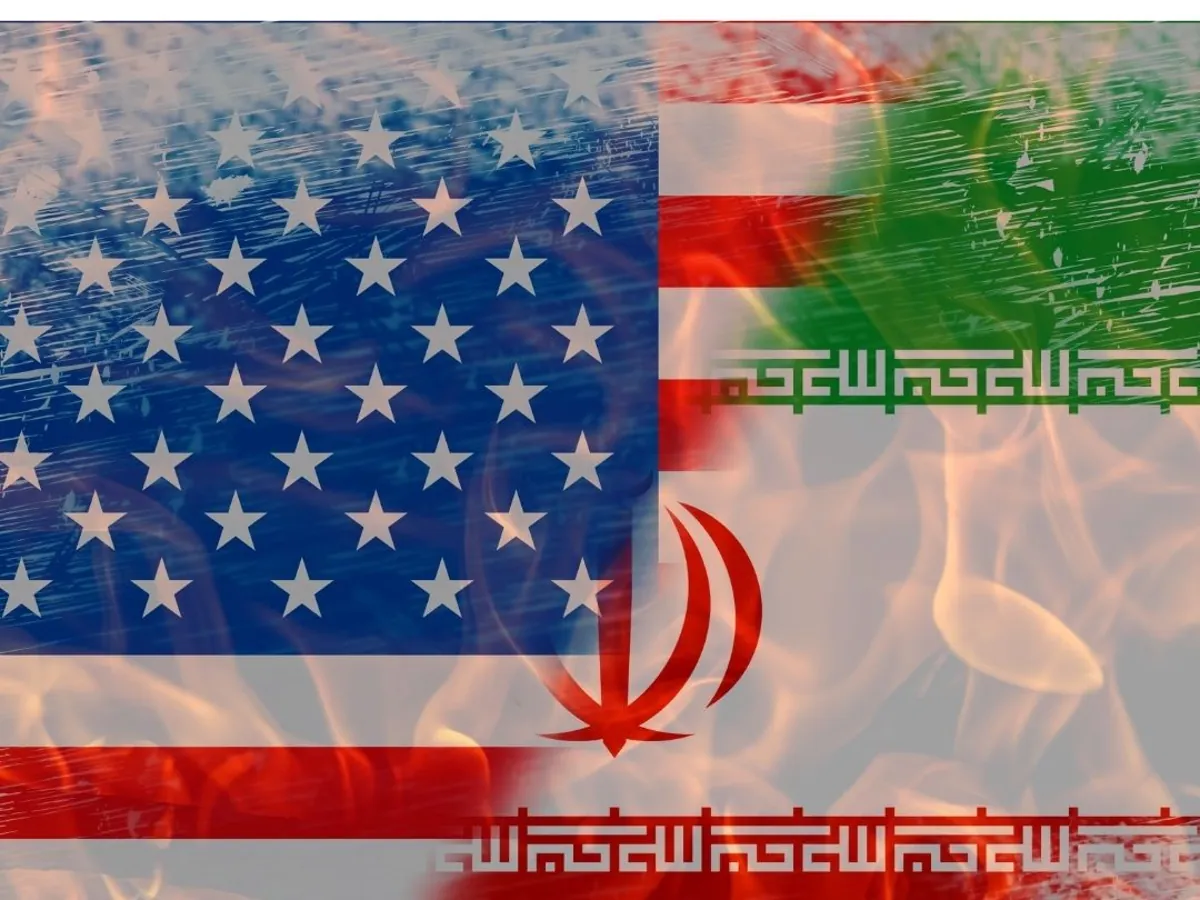
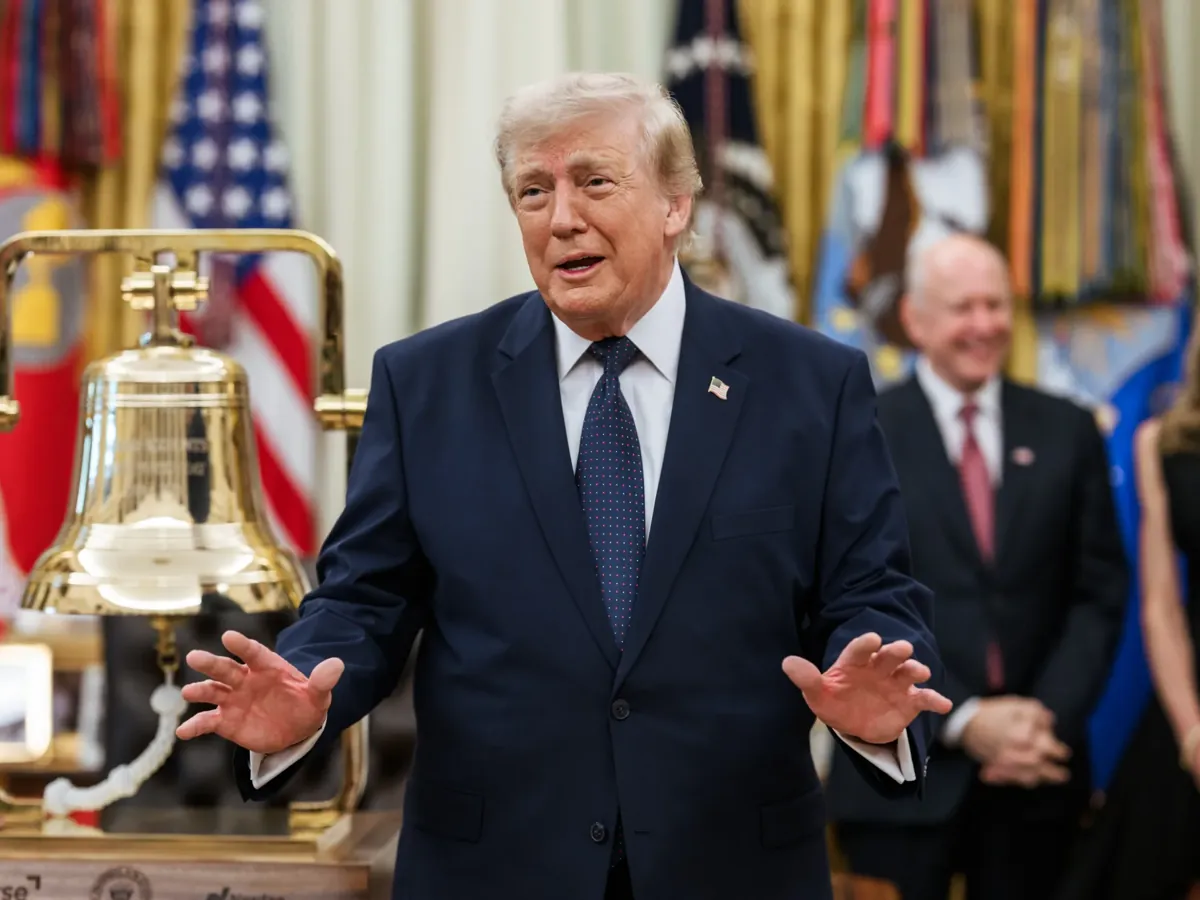
Kalasuara - Iranian and US warships exchanged fire in the Strait of Hormuz on Wednesday, July 15, 2026, at 7:23 a.m. Jakarta time, according to Iranian state television and the Tasnim news agency, which cited authorities in Hormozgan province. Explosions were heard in Bandar Abbas and other Iranian coastal towns, including areas east of Sirik. President Donald Trump responded by reimposing a naval blockade on Iranian vessels and setting a 20 percent transit fee on other cargo passing through the Strait of Hormuz, a shipping lane that carries roughly a fifth of the world's oil and liquefied natural gas supply.
The strait is a narrow passage between Iran and the Arabian Peninsula linking the Persian Gulf to the Arabian Sea, the only sea route for nearly all Gulf oil exports. Today's clash is not the unilateral closure Iran has repeatedly announced since February 2026. It is direct armed contact between the Islamic Revolutionary Guard Corps (IRGC) and the US military, an escalation that broke a ceasefire negotiated earlier this year.
How did this escalation unfold?
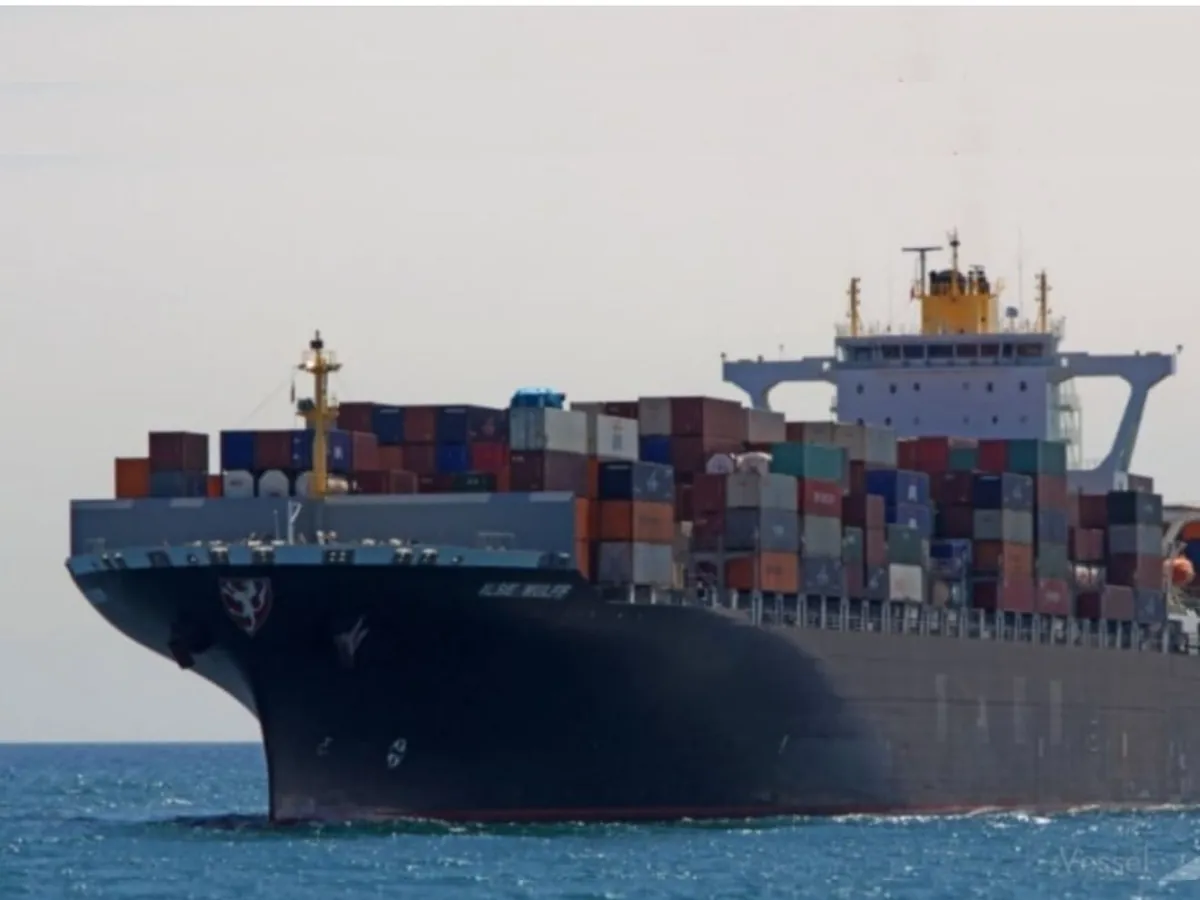
A Pakistan-mediated ceasefire began to crack around July 7, 2026, after a UAE-flagged tanker was attacked in waters near Oman. The escalation peaked on July 11-12, when the IRGC fired on the Cyprus-flagged container ship GFS Galaxy, which was sailing a route Iran considers unauthorized. Since then, the US has carried out three consecutive nights of strikes on about 140 Iranian military targets, including Bushehr, Chah Bahar, Jask, Konarak, Abu Musa and Bandar Abbas. Iran retaliated by hitting US bases in Kuwait, Bahrain, Jordan and Qatar, as well as a US logistics base in Duqm, Oman. The US now has more than 20 warships and hundreds of military aircraft deployed across the Middle East, part of a shift in posture reported earlier as Washington's pivot toward Iran and the Gulf. US Central Command (CENTCOM) said the strikes were meant to degrade Iran's ability to attack commercial vessels and that US forces remain on alert and ready.
Iran has announced unilateral closures of the strait before, including one instance when 55 ships still crossed despite the announced closure. Today's clash is different because it involves direct armed contact, not attacks on commercial vessels or one-sided threats.
Comments