

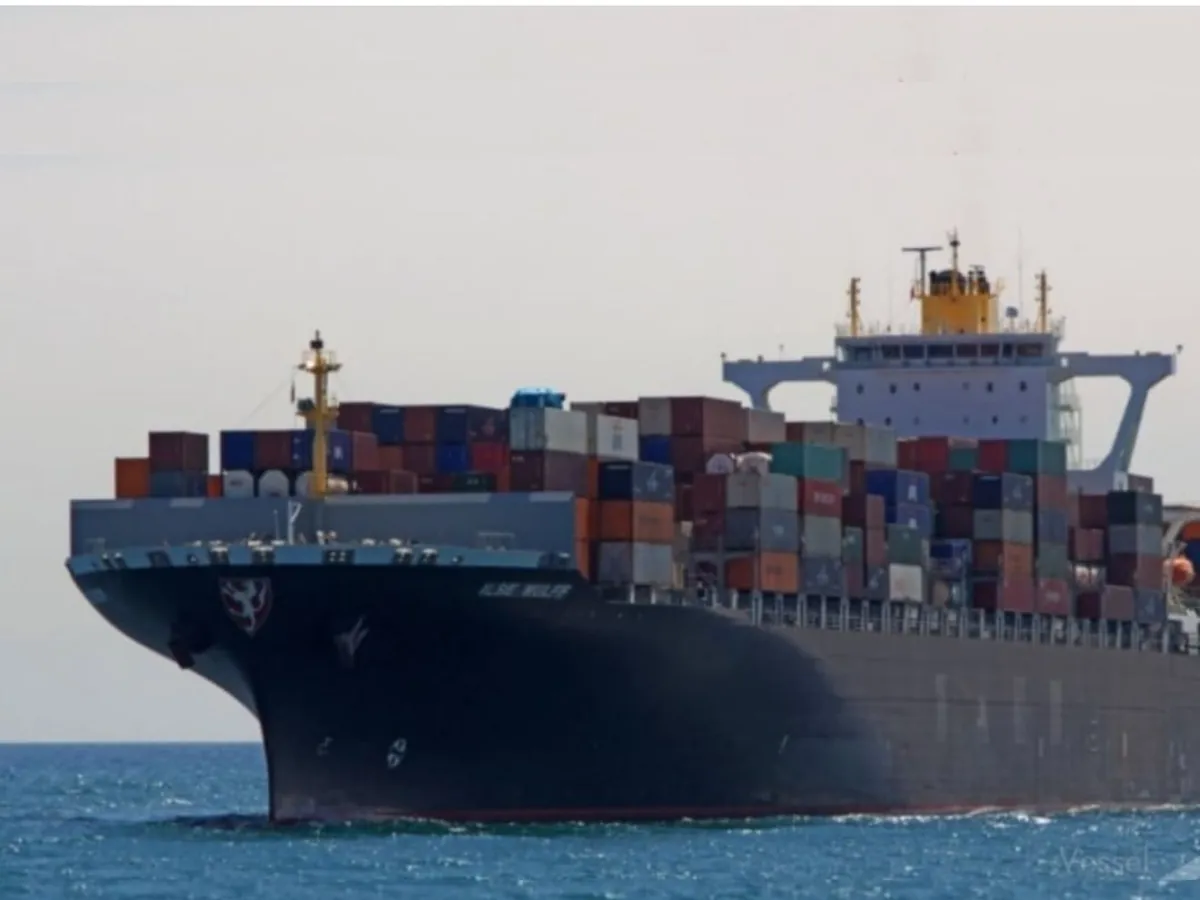
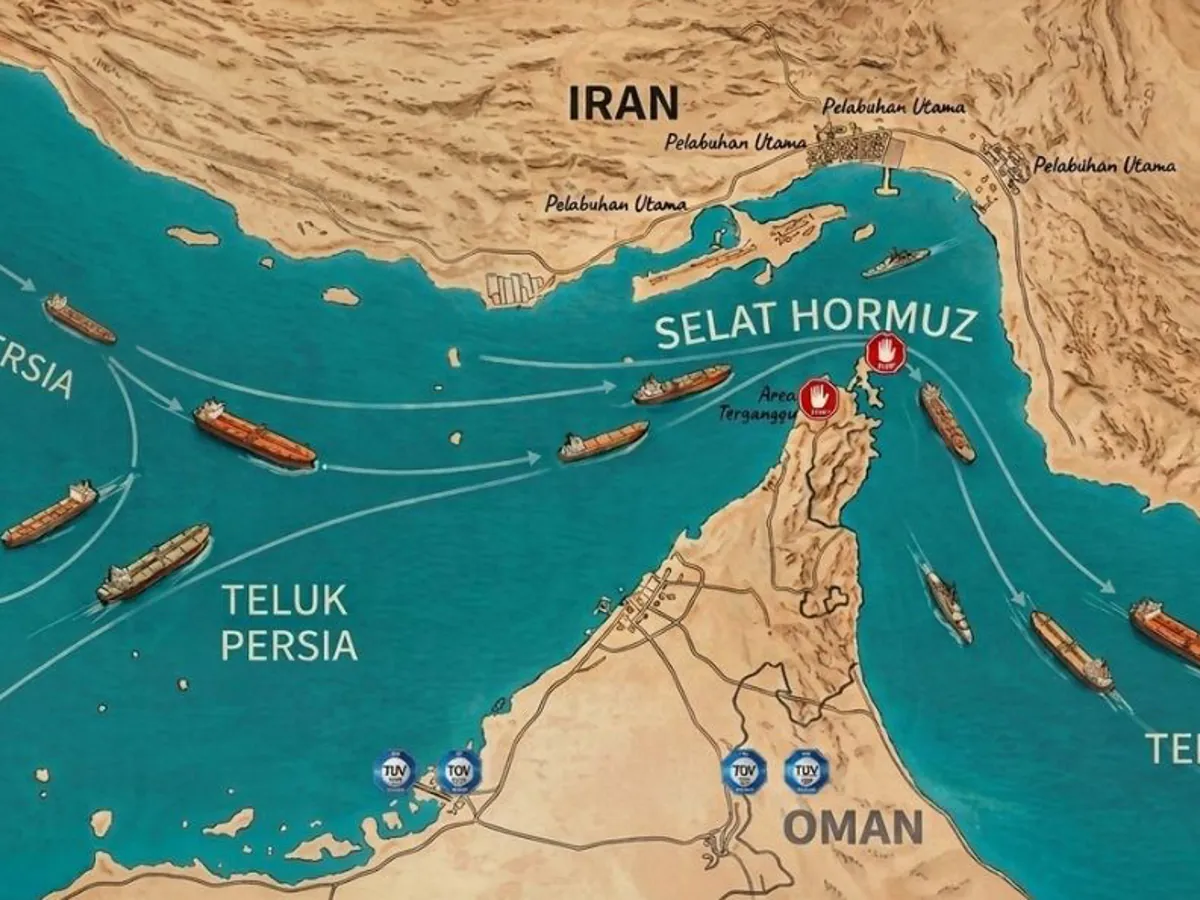
Iran's Revolutionary Guard Corps (IRGC) shut the Strait of Hormuz early Sunday, July 12, 2026, after the Cyprus-flagged container ship MV GFS Galaxy caught fire in waters about 16.7 kilometers east of Oman. It was the fourth closure since the US-Israel-Iran war broke out on February 28, and it came just hours before US Central Command (CENTCOM) struck 140 Iranian military targets in retaliation.
The UK Maritime Trade Operations agency logged the incident report at 22:40 GMT on July 11, including the crew's evacuation to lifeboats. India's foreign ministry confirmed 10 of the 11 Indian nationals aboard survived; one remains missing.
Two conflicting versions
The IRGC, through the state news agency IRNA, described the incident as warning shots fired at a ship that had switched off its tracking system and repeatedly ignored instructions to use the approved shipping corridor. "Following this incident, the Strait of Hormuz will be closed until further notice and until American intervention in this region ends. No ship will be allowed to pass," the IRGC said in an official statement.
CENTCOM rejected that account. "Iran was provided yet another opportunity to demonstrate adherence to the Memorandum of Understanding after being held accountable for earlier attacks on commercial vessels but has again failed," CENTCOM said in a statement, calling the incident a direct attack that disabled the merchant vessel rather than warning shots.
Data from Windward Maritime Intelligence shows the closure's effect on the water: only 21 commercial ships crossed Hormuz on July 11, far below the pre-crisis daily average of 140 transits. That sevenfold drop happened even though Iran had not declared a full physical blockade, a sign shipping companies are already steering clear of the strait on their own as attack risk rises.
In response to the GFS Galaxy incident, CENTCOM launched its third wave of strikes in a week on Sunday, hitting about 140 targets, including missile batteries, air defense systems, IRGC fast boats, and sites near Qeshm Island. The total number of targets struck since Monday has passed 300. "In response, the United States is imposing a high cost by continuing to degrade Iran's ability to attack civilian mariners," CENTCOM said.
Why does the Hormuz closure directly hit Indonesia?
The Strait of Hormuz is a narrow shipping lane between Iran and Oman that carries about a fifth of the world's daily oil and liquefied natural gas trade, so any disruption there quickly pushes up global energy prices and tightens the crude supply Indonesian refineries depend on. Brent crude rose to $78.85 a barrel on July 13, up 3.74 percent from the day before, after dipping as low as $72.51 in late June.
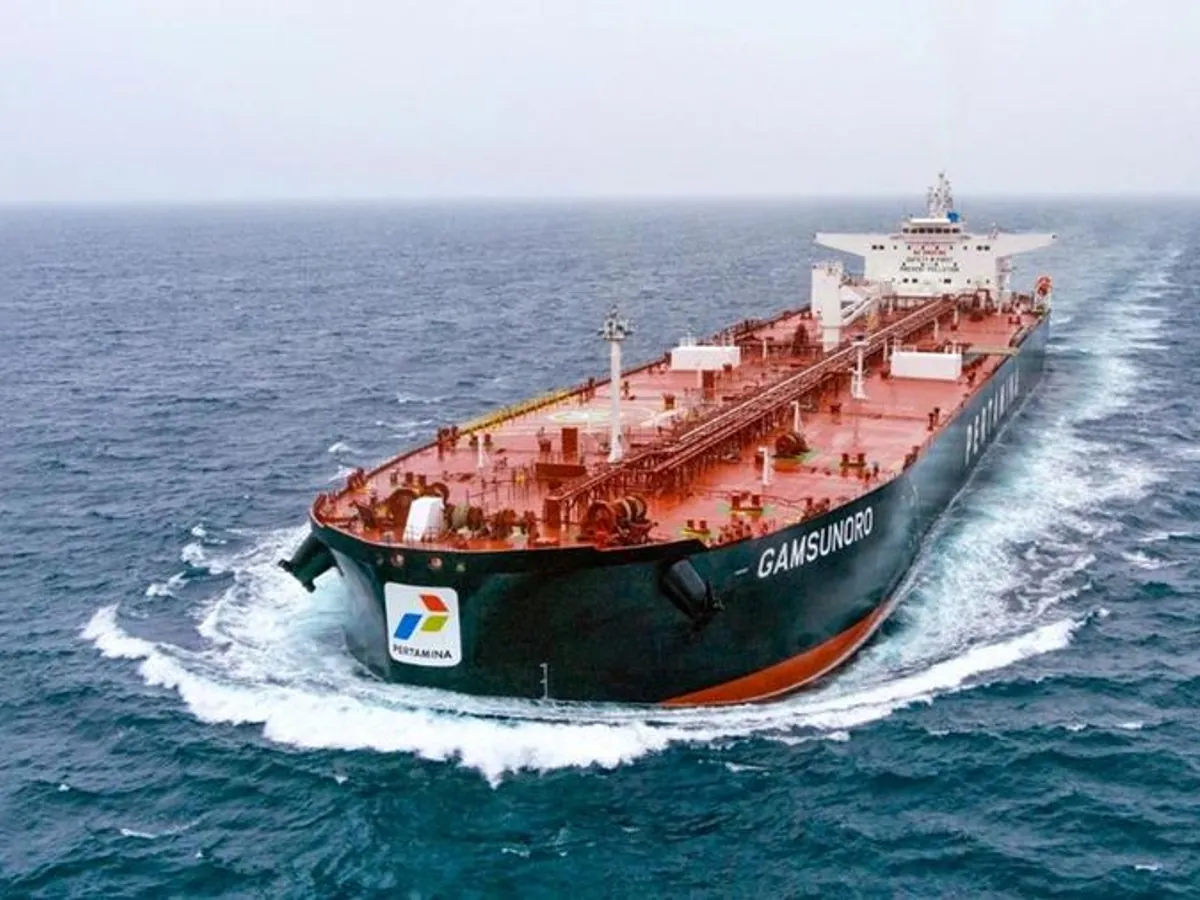
Energy and Mineral Resources Minister Bahlil Lahadalia flagged this risk the day before the GFS Galaxy incident, speaking at a forum held by MKGR, a Golkar Party organization, in Jakarta. "School knowledge isn't enough. There's no course in energy studies for what to do if the Strait of Hormuz closes, where do you get oil from? There isn't one. That takes extraordinary maneuvering," he said, pointing to Pertamina tankers that had been held up in the Arabian Gulf during an earlier wave of the crisis, as Kalasuara has reported.
There is good news for domestic supply: the tanker Pertamina Pride, carrying 2 million barrels of crude for the Cilacap refinery, crossed Hormuz safely on July 8-9, before the latest closure took effect, and is due to reach Indonesia on July 23. The Pertamina vessels still waiting to cross now face the same uncertainty as during the previous Hormuz closure, when 55 ships pressed through despite Iran's announced blockade.
The July 17 deadline adds time pressure
The crisis is racing against a deadline: the US Treasury's license for Iranian oil exports expires July 17. If Washington doesn't renew it, the export revenue that has served as one of Iran's main bargaining chips could dry up, leaving Tehran with even less incentive to reopen the shipping lane.
This push and pull is not new. The strait reopened briefly after Iranian Foreign Minister Abbas Araghchi announced the shipping lane's normalization on April 17, only for Iran to shut it again the next day after the US refused to lift its naval blockade of Iranian ports. Four closures in under four months show both sides remain far from a lasting deal.
Three things remain unresolved: the fate of the missing Indian crew member from GFS Galaxy, the direction of CENTCOM's next wave of strikes, and whether Iran's oil export license gets extended before July 17. Each will decide whether Brent keeps climbing from its current level, and whether the Pertamina ships still waiting to cross Hormuz have to wait longer.

Comments