
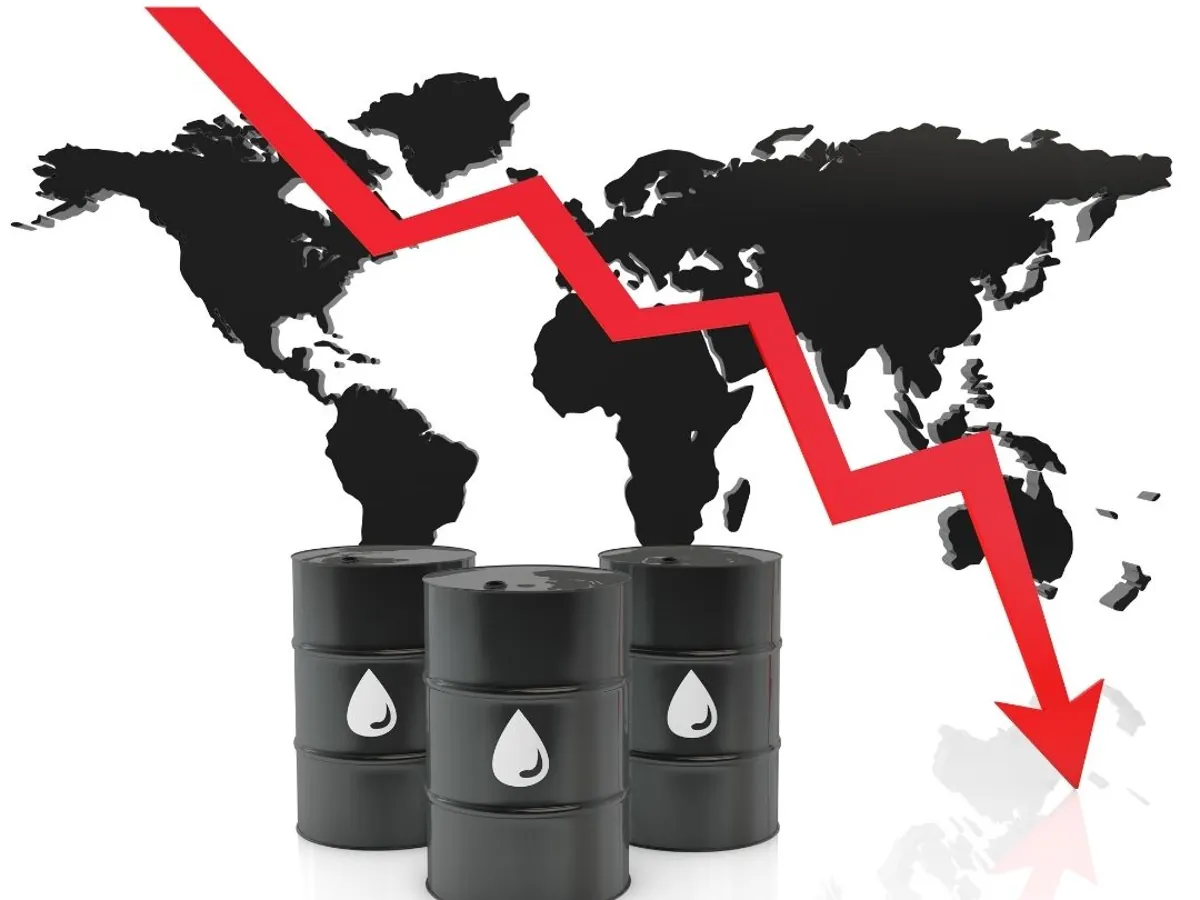
Brent crude closed the second quarter of 2026 with a 38 percent correction, the sharpest quarterly decline since the pandemic crashed prices 66 percent in the first quarter of 2020. On Tuesday evening (June 30) in New York trading, Brent for August delivery closed at $72.92 a barrel, down 0.3 percent from the previous session. West Texas Intermediate fell 1.8 percent to $69.50 a barrel. June alone saw Brent lose roughly 21 percent, its worst monthly decline since March 2020.
The half-year rally, erased deeper than it formed
Through the first quarter of 2026, Brent had surged about 94 percent on military escalation in the Persian Gulf and threats to close the Strait of Hormuz. The second quarter reversed that entire rally and then some, pushing prices below the starting point.
The pattern cuts both ways: markets reward fear, then punish it once the threat fails to materialize. Warren Patterson, head of commodity strategy at ING, described the dynamic: "Price movements over the past few weeks reflect a market treating a temporary ceasefire between the US and Iran as if it were a permanent deal."
Why the sharp drop?
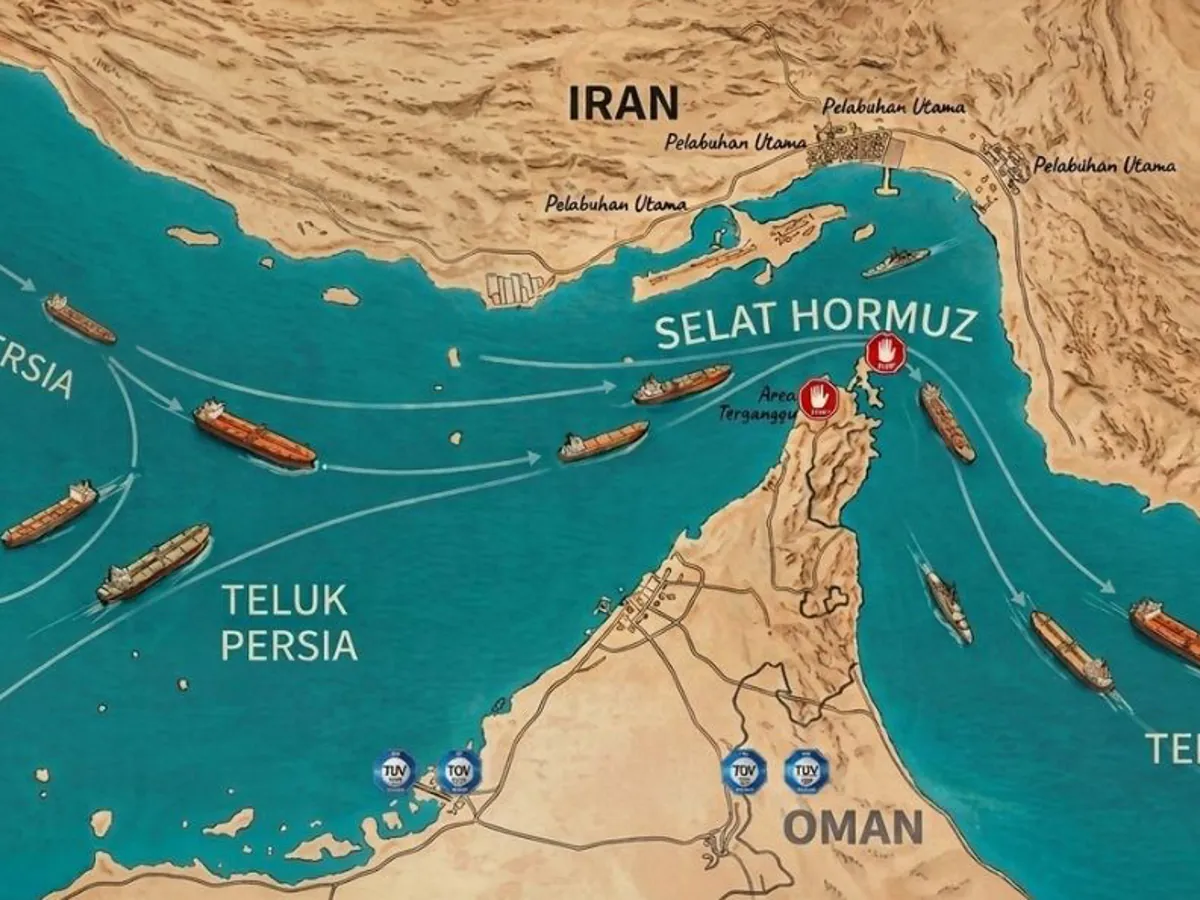
Shipping traffic through the Strait of Hormuz returned to normal as OPEC+ raised production simultaneously. Both forces drove the correction.
The strait carries roughly 20 percent of the world's oil supply. When vessel traffic resumed, supplies that had been trapped in the Persian Gulf, including tankers stuck in the region during the crisis, flowed back to market. Giovanni Staunovo of UBS explained the mechanism: "Ships that were previously held up are now beginning to operate as traffic increases out of the gulf, creating a temporary additional supply."
In Doha, Qatar, talks between US and Iranian representatives also eased market concerns. Qatar's Foreign Ministry spokesman, Majed Al Ansari, stressed that the meeting took place at a technical level on regional security, not as part of broader formal negotiations. The diplomatic signals that reached markets proved more optimistic than the substance warranted.
Meanwhile, seven core OPEC+ members agreed to boost production by 188,000 barrels a day for July, the fourth consecutive monthly increase in their voluntary output-cut unwinding program. The supply pressure squeezed the geopolitical risk premium nearly to zero. Patterson said: "At prices near 70 dollars a barrel, the market now has a geopolitical risk premium close to zero."
Morgan Stanley projects a global supply surplus of up to 4.8 million barrels a day by 2027, a reversal from supply-crisis conditions to oversupply.
What does this mean for Indonesia's 2026 budget?
Cheaper oil cuts both ways for Indonesia's budget (the APBN). Subsidies for fuel and liquefied petroleum gas cost less as imports grow cheaper. But lower prices also reduce non-tax government revenue from the oil sector.
The Indonesian Crude Price, or ICP, is the benchmark used to calculate both. The 2026 budget assumes ICP at $70 a barrel, down from $82 the year before. From January through May, the average ICP climbed to $91.86 a barrel due to the Hormuz crisis, which pushed prices far above budget assumptions. On June 29, ICP stood at $70.17 a barrel, nearly at the assumption line.
This reversal eases one of the spending pressures that squeezed the budget balance for five months. That pressure showed up in a 763 percent spike in the May budget deficit compared with the year prior. How much relief the overall budget receives depends on official ICP figures for June and July, still awaiting publication from the Energy and Mineral Resources Ministry.
Three variables merit watching: the continuing US-Iran negotiations after the Doha technical talks, OPEC+'s early-July decision on additional production quotas, and Pertamina's response in non-subsidized fuel pricing to the weaker global prices.