

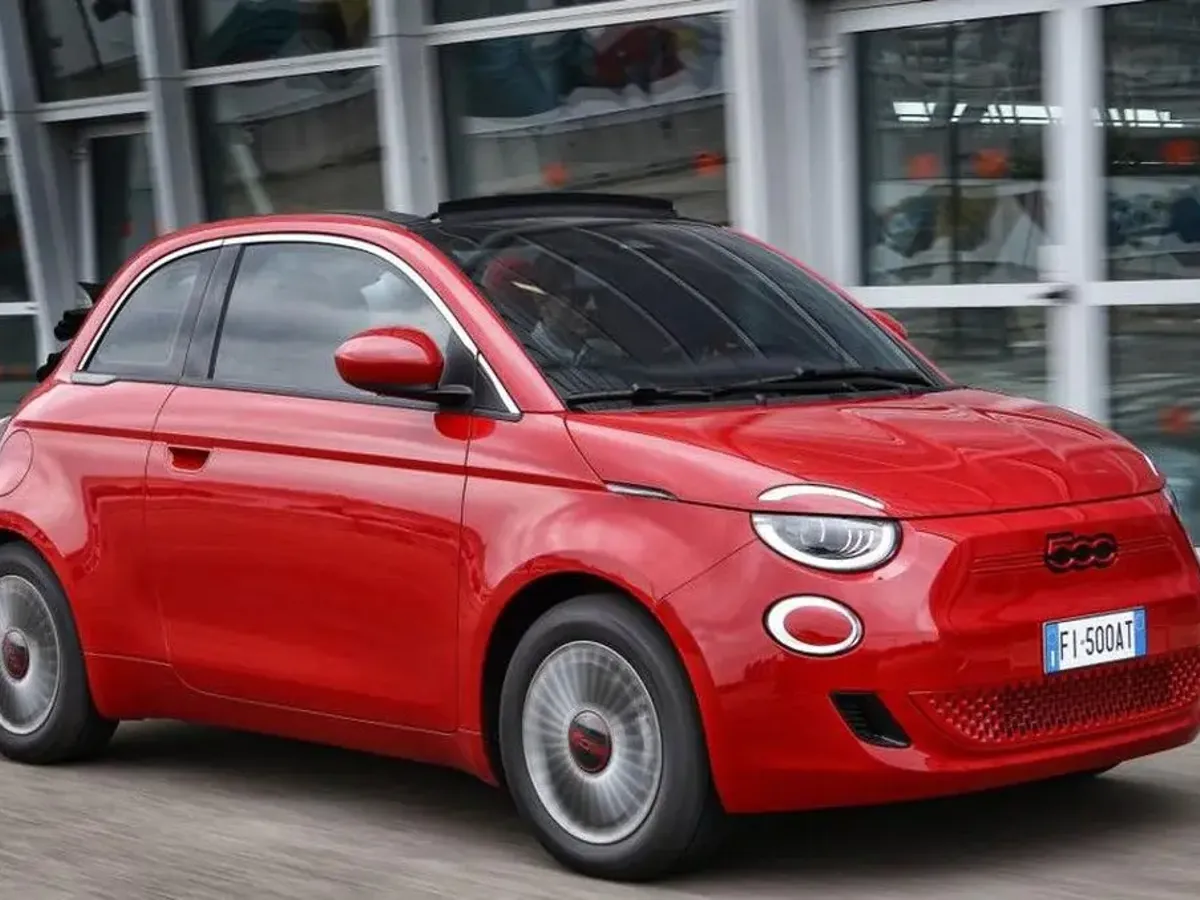
Kalasuara - Stellantis has stopped taking additional orders for the Fiat 500e and Abarth 500e in Australia after Fiat's passenger car sales fell to just 13 units in June 2026. Across January to June, the Italian brand sold only 144 units, down 30.4 percent from the same period last year, just as BYD closes in on Toyota as the country's best-selling car brand.
The petrol-powered Fiat 500, the Abarth 695, and the Scudo and Ducato commercial vehicles remain on sale. Stellantis will sell off remaining Fiat 500e and Abarth 500e stock while it evaluates a replacement, and it has not said when or whether a new model will take their place.
Why is Fiat halting its EV shipments to Australia?
Fiat cut additional orders after demand collapsed under high prices and a shift in what buyers want. The Abarth 500e launched in 2024 at around A$64,000, then was discounted by A$20,000 to about A$44,000 to clear stock, but sales still didn't recover.
Australia's micro passenger car segment shrank 10.7 percent in the first half of the year, to 3,472 units. Small cars priced above A$45,000 fell even harder, down 17.3 percent to 7,400 units. The Fiat 500e sits at the intersection of both trends: a shrinking body category, with prices that stayed high while rivals offered bigger cars at comparable cost.
"As part of Stellantis Australia's ongoing planning and processes, the availability of certain models can change over time as we assess market demand alongside future opportunities," a Stellantis Australia spokesperson said.
The spokesperson said Fiat remains part of the company's long-term plans. "We're still focused on bringing cars that match what Australian consumers need. Based on the latest information from Stellantis, Fiat is one of its core brands, and we're excited about the opportunities it offers going forward," they said.
Chinese cars are closing in on Toyota
New vehicle sales in Australia hit a record 140,058 units in June 2026. Toyota still led with 19,124 units, but BYD trailed closely at 18,881, a gap of just 243 vehicles. BYD's market share climbed to 13.5 percent, nearing Toyota's 13.6 percent, after its sales jumped 131.5 percent year on year.
VFACTS data showed China-made vehicles accounted for 46,592 units that month. Add in Tesla and Polestar, which are built in China but counted separately, and the figure rises to 55,516 units, or 39.6 percent of the entire market. Battery electric vehicles jumped from a 7.6 percent market share a year earlier to 23.3 percent in June 2026, a sign that Australian EV demand is climbing just as Fiat pulls back.
Over the first half of 2026, BYD's Australian sales reached 52,335 units, up 124.1 percent, and the brand jumped from eighth to second place among best sellers. Chery grew 76.8 percent and GWM rose 20.5 percent. Overall, Chinese-made cars accounted for 171,151 of the 631,583 new vehicles registered in the first six months of the year.
What does this mean for Indonesia's car market?
A similar shift is emerging in Indonesia, though the mix looks different. Gaikindo, the Indonesian automotive industry association, reported that electrified vehicles already held 26.1 percent of the national car market by mid-2026, meaning one in four new cars sold is a battery electric, hybrid, or plug-in hybrid model. National wholesale car sales reached 77,550 units in June 2026, up 32.9 percent year on year.
"xEV sales are still rising. In fact, total xEV market share right now is about 26.1 percent. That means one in every four new cars sold today is an electrified model," said Kukuh Kumara, Gaikindo's secretary-general.
BYD posted wholesale sales of 17,993 units in Indonesia between January and May 2026, rising to sixth among the country's best-selling brands out of 359,015 total units sold in that period. In June alone, BYD's distribution to dealers reached 5,264 units, while dealer-to-consumer sales came to 3,757 units. Wholesale figures track distribution from factory to dealer, so the gap suggests some BYD stock is still building up in the dealer network before reaching buyers.
This four-wheel electrification push is gathering pace even as the government delays electric motorcycle incentives to August 2026, leaving two-wheel policy support out of step with the growth on four wheels.
For legacy manufacturers in both Australia and Indonesia, local production, local content, dealer and service networks, parts availability, and resale value will decide who survives once the price war cools. Stellantis has not said whether a Fiat 500 Hybrid will come to Australia to replace the electric variant. Gaikindo and the national dealer network will be watching whether Indonesia's 26.1 percent electrification share holds up in July's sales figures.

Comments