
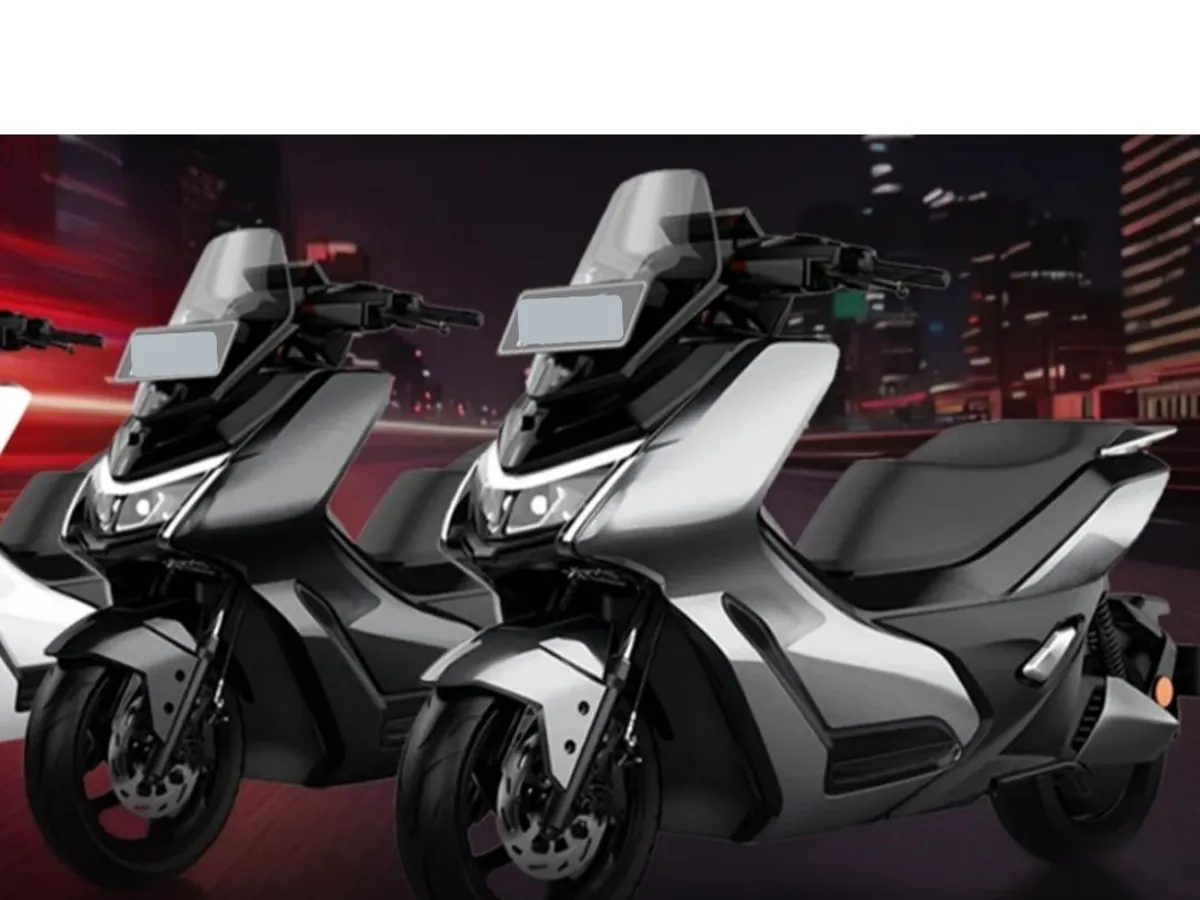
Indonesia has delayed its electric-motorcycle subsidy again, pushing the program to August 2026 from July, the second postponement in weeks as officials say it remains under review. Coordinating Minister for Economic Affairs Airlangga Hartarto announced the one-month slip to reporters at his ministry in Central Jakarta on Monday (June 22, 2026).
It is the second delay in quick succession. The rollout was first set for June 2026, then moved to July 1 by Finance Minister Purbaya Yudhi Sadewa in late May, and has now been pushed to August. The government's official reason each time it is asked has been the same: the scheme is still being studied.
"The electric-motorcycle incentive was reviewed again, an extra month." — Airlangga Hartarto, Coordinating Minister for Economic Affairs
"It's still under review, yes it's delayed again, we're studying it for now." — Airlangga Hartarto, when asked about the reason for the delay
Airlangga did not spell out the technical considerations that have kept the scheme from being signed.
Why the delay holds back the market
Because buyers wait for certainty before they commit. The incentive is meant to drive demand, but while its status hangs, would-be buyers are holding off to secure the Rp5 million per-unit discount. An instrument designed to stimulate the market is instead freezing it.
At least three groups bear the cost. Prospective buyers are postponing purchases until the subsidy becomes clear. Electric-motorcycle makers and dealers face slowing sales as the market sits in wait-and-see mode. And the government's energy-transition targets stall too, since two-wheelers are the highest-volume segment it is counting on for electrification.
The numbers explain the urgency. National electric-motorcycle sales reached only about 55,059 units in 2025, according to data cited by the Indonesian Electric Motorcycle Industry Association (AISMOLI), far below expectations during the 2023-2024 subsidy era. Without certainty on the incentive, the 2026 target is hard to hit, and two-wheeler electrification risks losing a second straight year of momentum.
What the incentive scheme looks like
The government has prepared incentives for 200,000 electric vehicles: 100,000 motorcycles and 100,000 cars. Electric motorcycles get a Rp5 million subsidy per unit, down from Rp7 million in 2024, while electric cars receive a government-borne VAT discount of 40 to 100 percent depending on the nickel content of their batteries.
The incentives will be set out in a Finance Ministry Regulation (PMK). Purbaya said the calculations are finished and only await direction from President Prabowo Subianto.
"Throughout this year we've been weighing incentives for electric cars and motorcycles." — Purbaya Yudhi Sadewa, Finance Minister
"We've done the math and are waiting to see what the decision is." — Purbaya Yudhi Sadewa, Finance Minister
That leaves an instrument already "fully calculated" sitting at the highest level of government, waiting.
Fiscal and energy-transition context
The delay comes amid a second-half 2026 economic stimulus package worth Rp26.34 trillion that starts rolling out in July. EV incentives are often cited as one driver of household consumption in the third and fourth quarters and a way to curb fuel use, even as fuel prices fell only in June 2026. The program's slippage has implications for the integrity of that stimulus package.
Cutting the subsidy from Rp7 million to Rp5 million marks a fiscal tightening, set against budget pressure that has widened the state deficit. Subsidies are now being used more selectively and tied to short-term consumption targets and local component content. A decision left on the President's desk also signals that the size, quota, and disbursement mechanism are not yet fully agreed across ministries, namely the Coordinating Ministry for Economic Affairs, the Finance Ministry, and the Industry Ministry.
On the industry side, AISMOLI is pushing for a market that no longer depends on certainty decided year by year. The association has proposed incentives lasting at least three years, ideally five, so that producers and consumers have a longer planning horizon.
"We propose at least three years." — Riniwaty Sinaga, PR & Event Executive, AISMOLI
The effective deadline now sits in August. What will determine the rollout is the issuance of the PMK before that month and final direction from President Prabowo, two things the government says are already calculated but still unsigned.