
The government announced eight stimulus packages worth Rp 26.34 trillion for the second half of 2026, with roughly 68% — Rp 18.04 trillion — flowing to a single program: monthly rice handouts of 10 kilograms for 33.24 million families. Coordinating Minister for Economic Affairs Airlangga Hartarto unveiled the plan Monday in Jakarta.
"The total stimulus the government is releasing for this second half is around Rp 26.34 trillion," Hartarto said.
The package splits three ways: stimulus and incentives at Rp 2.04 trillion, internship and vocational training at Rp 6.26 trillion, and food aid at Rp 18.04 trillion. The arithmetic is precise, but the proportions are stark — food aid alone absorbs more than double the combined spending on the other two pillars.
How Big Is the Impact on Growth?
Limited. M Rizal Taufikurahman, head of macroeconomics and finance at Indef, assesses the package at less than 0.1% of GDP — too small to trigger meaningful demand gains.
Rizal called it a "shock absorber to dampen consumption slowdown, not a primary driver of economic growth." He flagged a deeper structural problem: high interest rates from Indonesia's central bank and eroding middle-class purchasing power won't be solved by temporary aid. Consumer confidence backed his worry — the Consumer Confidence Index fell to 120.9 in May from 123 in April, signaling household trust was already weakening before the announcement.
Hartarto stressed the policy came directly from the president: "As President Prabowo Subianto directed, we are announcing the second-half stimulus package."
Breakdown of Three Pillars
Stimulus and incentives comprise four measures. Discounts on trains, ferries, and toll roads already began June 20 during school holidays — bundled with 100% VAT subsidies on domestic economy-class airfare. Similar discounts will restart around the year-end holiday, from December 17–22, 2026 through January 10, 2027. Outside transport, the government set import duties to zero on liquefied petroleum gas for petrochemical industry, plastic feedstock, and aircraft parts. One standout policy differs in kind: a 1.5% flat tax rate on author royalties, which Hartarto called "one of the president's campaign pledges."
Internship and vocational training get Rp 6.26 trillion across two programs. An internship initiative starting July targets 150,000 participants with a Rp 4.14 trillion budget; vocational training worth Rp 2.12 trillion aims for 220,000 vocational school graduates and 50,000 workers displaced by layoffs.
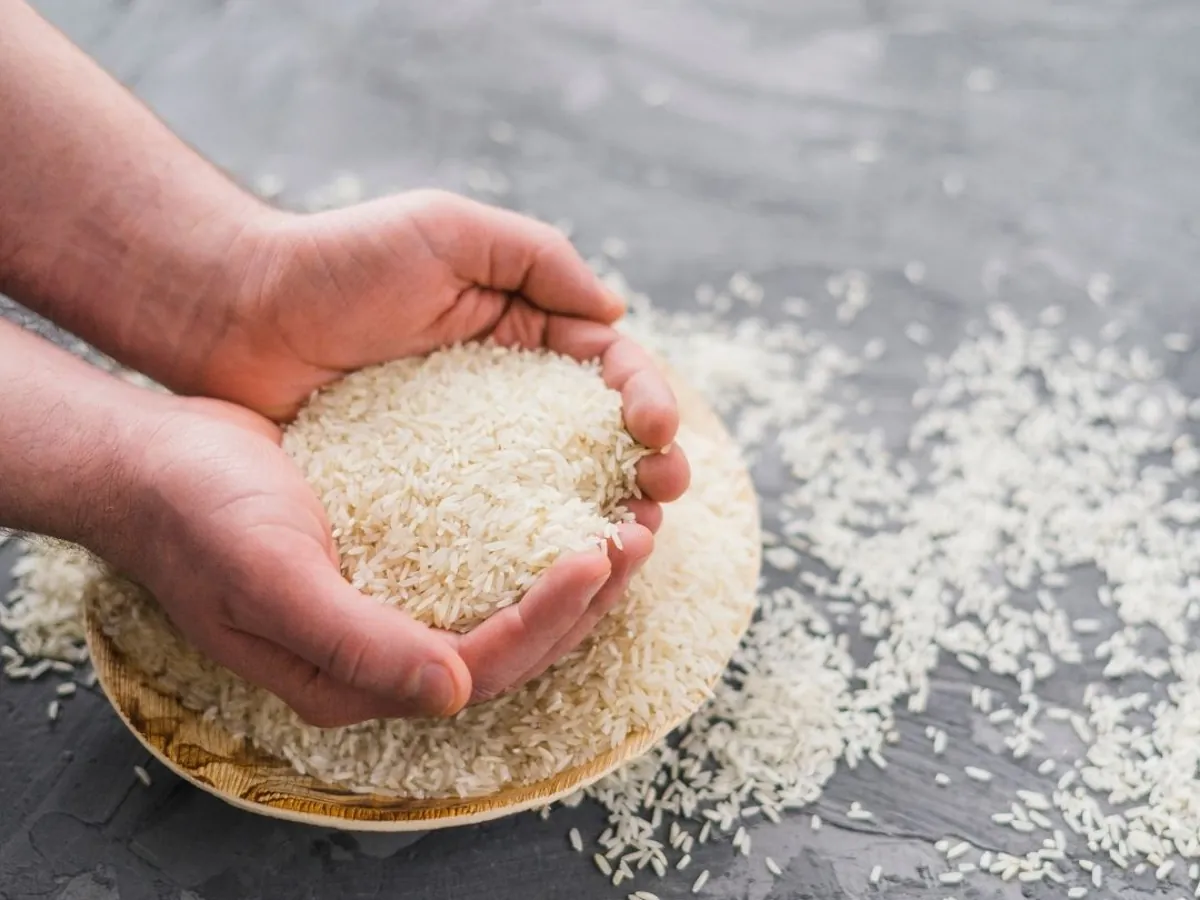
Food aid is the dominant pillar by far. Ten-kilogram monthly rice handouts for July through September 2026 to 33.24 million beneficiaries cost Rp 17.54 trillion — before distribution logistics. A second program subsidizes soybean prices capped at Rp 2,000 per kilogram with an initial quota of 250,000 tons, targeting tofu and tempeh producers in regions where prices exceed the government reference rate.
External Pressure and Fiscal Questions
The announcement came as the rupiah briefly hit Rp 18,000 per dollar, foreign capital fled, and oil prices rose from turmoil in the Strait of Hormuz. Household consumption, which drives more than half of GDP, became the variable the government most wanted to protect to prevent deeper economic contraction.
Many components were not new: school-holiday transport discounts already ran, and airfare VAT relief had been reported earlier. What Monday's news conference assembled was eight existing and new measures into a single three-pillar framework totaling Rp 26.34 trillion, plus author tax relief and soybean price stabilization.
The package's fiscal burden must be read against wider context: a sharply widening budget deficit and reallocated funding from other second-half programs leave the source of the Rp 26.34 trillion still unanswered.
Rizal recommended the government strengthen the package with job creation, faster investment, and small-business support to build durable demand — something rice aid alone cannot deliver.