
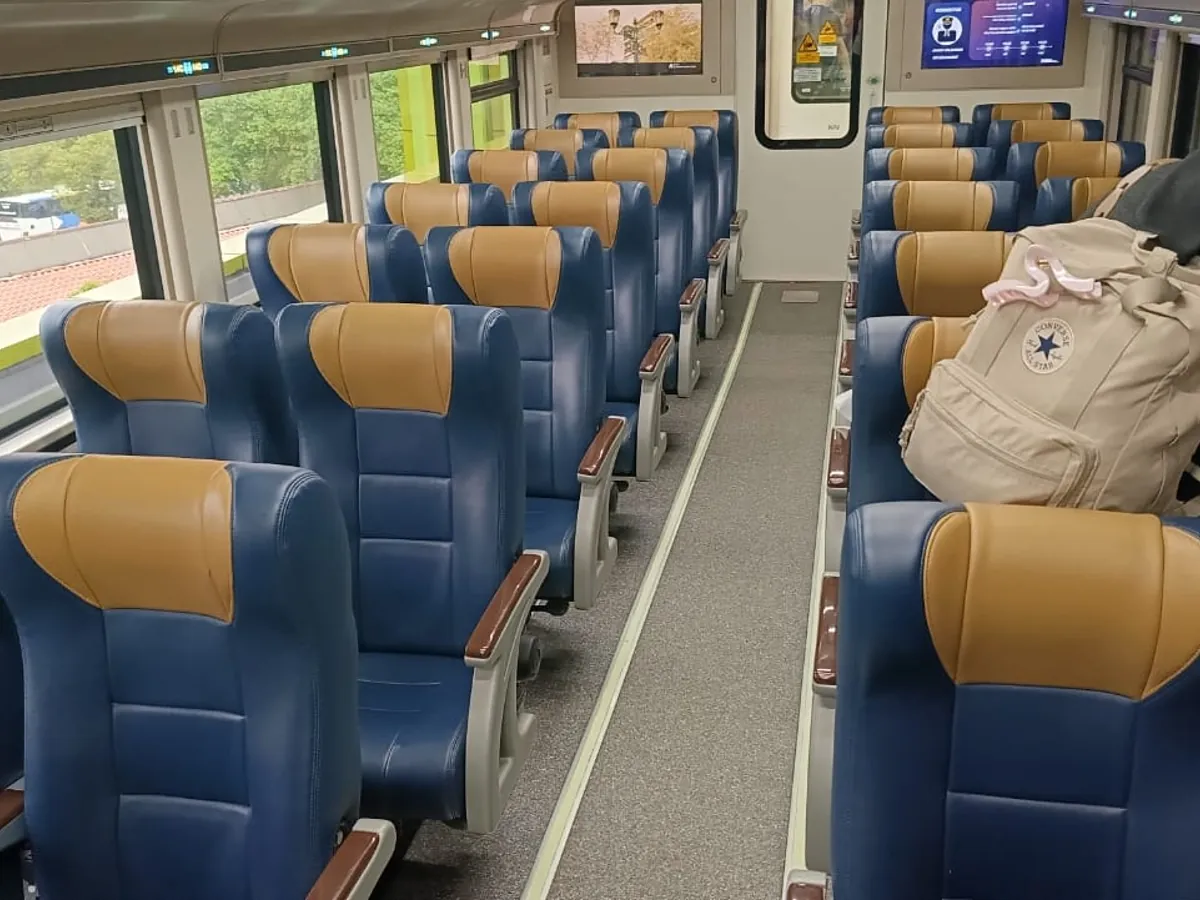
A 30% discount on economy train and ferry tickets took effect Saturday, June 20, 2026, as part of Indonesia's school holiday transport relief package. But the uniform discount rate masks a stark budgetary disparity: the government's VAT exemption for economy flights equals Rp472.7 billion — about 2.5 times the entire budget earmarked for discounts on trains, ships, and ferries combined.
The four-part package includes these measures. Economy train tickets across all routes receive 30% off through July 5. Economy ferry fares get the same 30% discount, extended through August 15, 2026. Terminal fees are fully waived for foot passengers and Category II and IVA vehicles at 14 ports spanning seven routes — including Merak–Bakauheni, Ketapang–Gilimanuk, and Lembar–Padangbai — from June 20 to July 5. For scheduled economy flights, the VAT exemption is 100%, running June 24 through July 5.
"This policy reflects the government's commitment to help citizens travel affordably," said Transport Minister Dudy Purwagandhi.
Why Flight Subsidies Far Outpace Train and Ferry Discounts
VAT is proportional to ticket price. Waiving 11% VAT on Rp600,000–Rp1.5 million economy flights generates per-passenger subsidy far exceeding 30% off Rp100,000–Rp200,000 train fares.
For the school holiday, the government allocated Rp190.5 billion to subsidize 3.07 million land and sea passengers — averaging Rp62,000 per person. VAT exemptions for flights during the same June 24–July 5 window draw Rp472.7 billion — roughly 2.5 times that land-sea total. A similar scheme awaits the year-end holiday (late December 2026–early January 2027): Rp61.4 billion supports roughly 2.87 million land-sea passengers, while flight VAT exemptions for both periods combined reach Rp1.19 trillion.
The government deployed different mechanisms for each transport segment. Direct discounts are easier for passengers to understand, and land-sea transport has a wide base of riders buying low-value tickets. VAT waivers work through the tax system, and on flight tickets, the VAT component is large per transaction.
Who Benefits Most?
Economy train and ferry riders are the direct beneficiaries — a segment spanning middle- and lower-income households. Flight VAT subsidies flow to air passengers, a group with higher average purchasing power.
2026 has proven unkind to household budgets. The rupiah weakened to around Rp18,000 per dollar, Pertamax fuel surged 32% to Rp16,250, and the government's budget deficit ballooned 763% due to spending that doubled revenue growth. Household consumption — roughly 54% of GDP — remains the government's priority.
"We're preparing stimulus for the holidays to encourage the public, especially schoolchildren," Purwagandhi said.
The Economic Coordination Ministry bundled this package into its H2-2026 economic stimulus umbrella, alongside tax incentives and vocational programs. Real passenger uptake will only be clear after the train program concludes July 5 and the ferry program ends August 15 — figures that will determine whether the targeted 3.07 million beneficiaries are actually reached.