
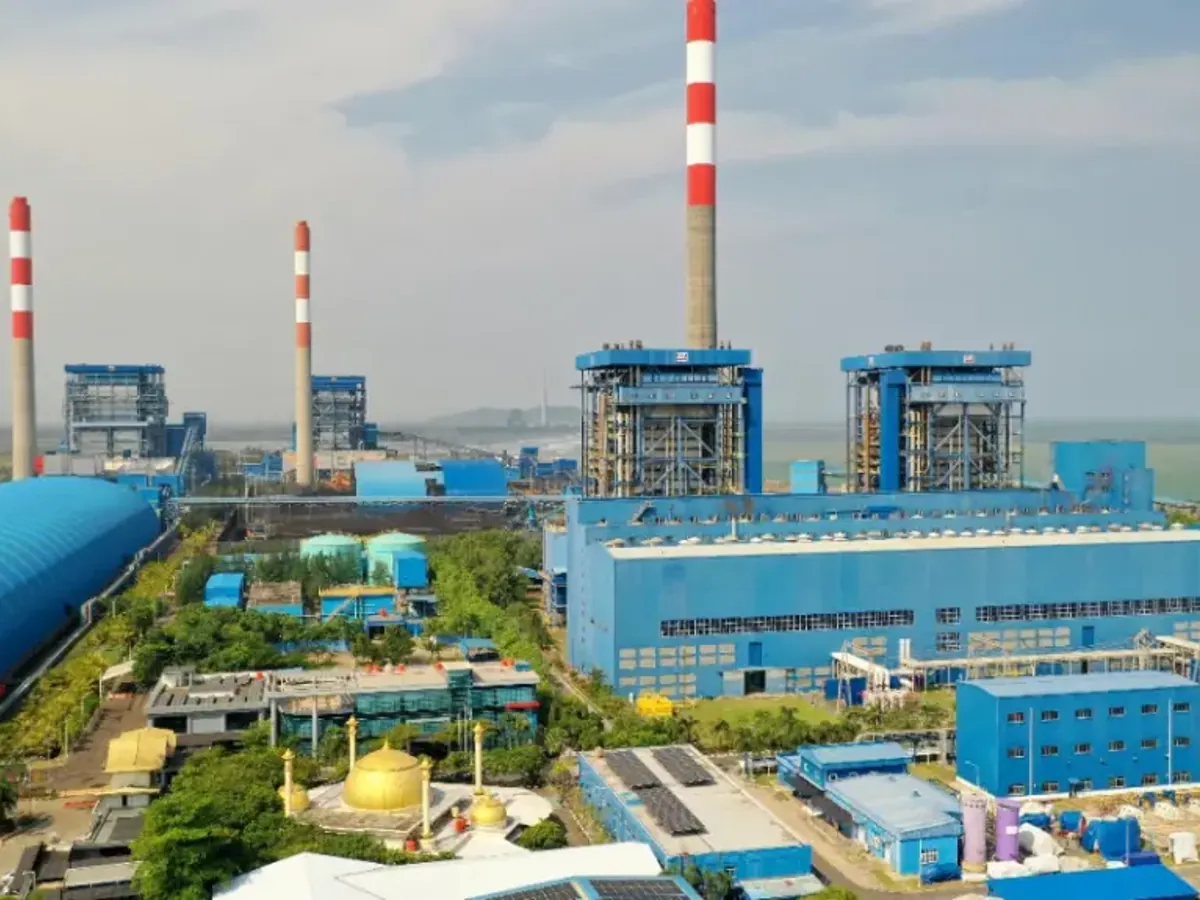
Indonesia's Ministry of Energy and Mineral Resources (ESDM) has finally named the two power plants behind this week's rolling blackouts across Java: unit 1 of the Cilacap coal-fired plant (PLTU Cilacap), rated at 300 megawatts, and unit 4, rated at 1,000 megawatts. Tri Winarno, acting director general of electricity at the ministry, said faults at the two units briefly stripped about 1,300 MW from the Java-Bali power system, and he was the first to lay out that figure publicly on Monday, June 22, 2026.
According to Tri, the trouble at both units came down to maintenance, while fuel stocks were safe. He said both were running normally again, with one unit reported to have resynchronized to the Java grid on Sunday night, June 21, 2026.
"PLTU Cilacap 1 and PLTU Cilacap 4. So, God willing, there's no problem now, more or less," Tri said.
A coal audit amid the maintenance claim
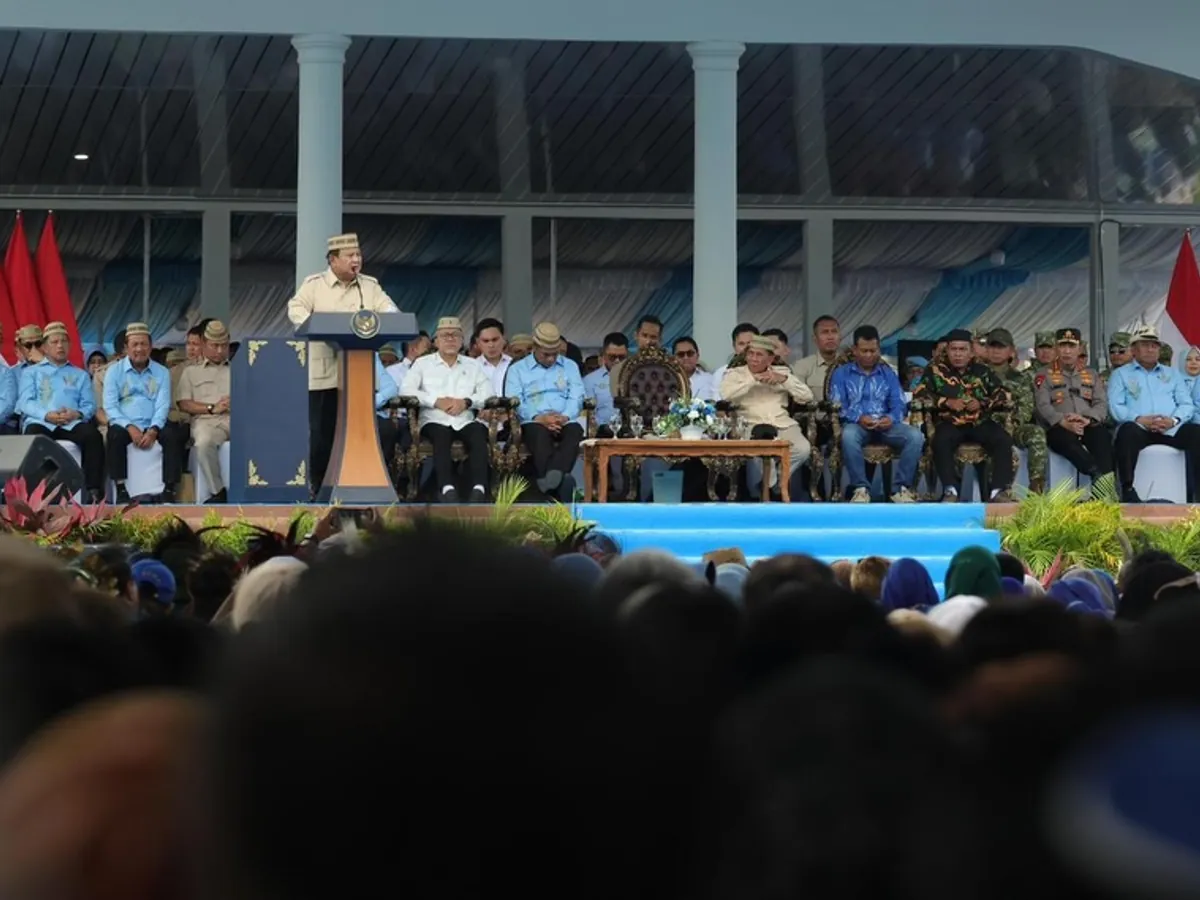
That technical account ran alongside a far tougher move. The same day, Energy Minister Bahlil Lahadalia announced a special team to oversee PLN's coal procurement, staffed by the kinds of bodies that typically turn up in state financial audits.
"The procurement team consists of PLN, the Director General of Coal, BPKP and the Inspector General," Bahlil said.
Putting the Finance and Development Supervisory Agency (BPKP) and the ESDM Inspectorate General on one team trains the spotlight on coal procurement governance, an area well outside the matter of machine upkeep. Yet Bahlil has repeatedly denied any supply crisis. "If it's said that coal is scarce, that's not true. Our assignment has already reached 170 million tons," he said on June 11, 2026. ESDM Secretary General Ahmad Erani Yustika said much the same a day later: "Generally there is none (coal stock shortage). There shouldn't be any."
Why audit coal if the problem is maintenance?
The government has not spelled this out. What is clear is that Bahlil's team is targeting contracts and procurement governance at PLN, an area that Tri Winarno himself says is not fully tracked. A BPKP-level audit of a supply described as safe suggests an unfinished problem upstream.
That gap opened up from Tri's own remarks. "We have monitoring, but the contracts, the contracts themselves, we don't yet know about. But now there's this, hopefully there's been improvement. The governance is starting to improve at PLN," he said. His admission that the contract side is "not yet known" and that governance is "just starting to be fixed" at PLN is hard to separate from the decision to send auditors into fuel procurement.
Context: blackouts since mid-June
Rolling blackouts have hit more than a dozen cities across three Java provinces since mid-June 2026. From the start, the government and PLN have consistently pointed to power plant faults as the root cause. What remains unanswered is how a reserve margin put at about 30 percent still failed to head off the outages, a question we raised earlier when PLN's power reserve buffer was called into doubt by groups such as IESR.
The government has flagged three things at once over the past week: power plant faults, the need for medium-calorie coal for blending, and machine maintenance. Together they place Cilacap at the meeting point of generation reliability and its fuel supply chain, exactly the territory now under review by Bahlil's team.
What will decide whether the problem is solved
Three things bear watching from here. First, the findings of the BPKP and Inspectorate General team on PLN's coal procurement, including any sign of governance violations. Second, the reliability of PLTU Cilacap units 1 and 4 after being declared normal, whether they hold steady or fault again. Third, clarity on the need for medium-calorie coal for blending, which could point to a mismatch between fuel specifications and the plants' boilers.
For energy-intensive industries such as cement, which have already warned of the risk of lower plant utilization and possible equipment damage from unstable power, the answers to all three will decide when Java's electricity supply can be counted on again.