

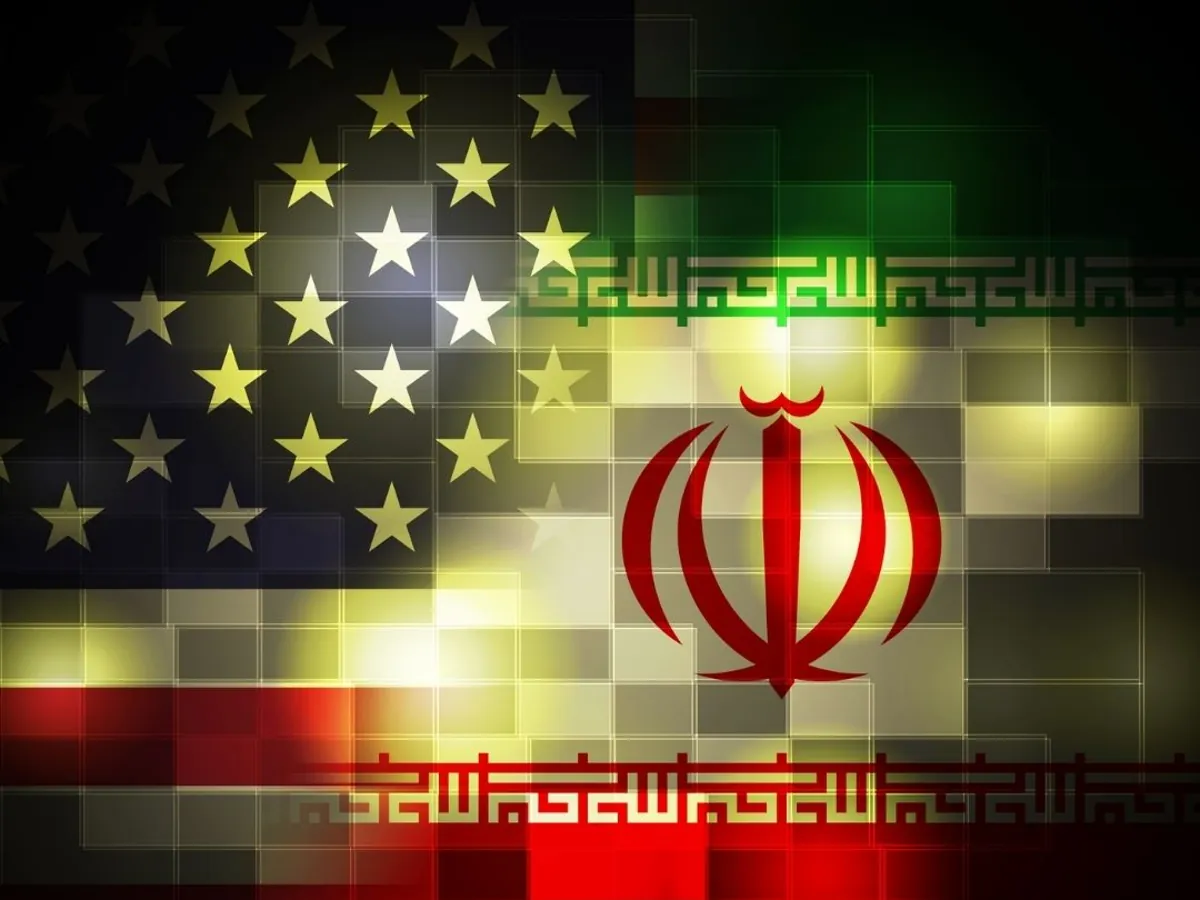
US Central Command confirmed new airstrikes on targets in Iran Saturday night, launched at 6 p.m. local time on direct orders from President Donald Trump. The strikes followed Washington's announcement that two US troops were killed and a third went missing in Jordan after an Iranian attack. Before the strikes hit, Iran's Supreme Leader had warned that Washington would face serious consequences if it deliberately widened the conflict.
Centcom oversees US military operations across the Middle East, Central Asia, and parts of South Asia, including the entire air campaign against Iran since the conflict reignited. The deaths of US personnel in Jordan raise the stakes from long-range airstrikes to direct contact that has now killed American citizens, the kind of trigger that has historically pushed conflicts toward sharper escalation.
Why is the US striking Iran again?
The US launched Saturday's strikes because two of its troops were killed and a third went missing in Jordan in an Iranian attack. Trump ordered the air response as soon as the incident was confirmed, making the deaths of US soldiers the direct trigger rather than just a continuation of the air campaign that has run for weeks.
This pattern of retaliation is not new for Trump. Aboard Air Force One on July 8, referring to the previous night's strike, he said, "We just hit him very hard, and I'd say we hit them 20 to one... and we did it last night, did a little something today, but it was really retribution for last night." Asked about a deadline for Iran at the Pennsylvania Defense and Innovation Summit on July 15, he said, "I don't like giving deadlines, but they basically know, they know what the situation is... they'd better behave."
Iran hits back at US bases in Kuwait and Bahrain
The naval and aerospace units of Iran's Islamic Revolutionary Guard Corps (IRGC) fired missiles and drones at the US bases Arifjan and Ali Al Salem in Kuwait, and Jufair and Sheikh Isa in Bahrain. Kuwait's military confirmed the strikes and reported one of its citizens injured by shrapnel from an intercepted missile. Iran also reportedly extended its drone and missile reach to US military support facilities in Qatar and Jordan.
Trump said the barrage shows Iran is under real pressure. "They're not happy right now... They want very much to make a deal. They don't like what we're doing," he said. Iran's chief negotiator, Mohammad Bagher Ghalibaf, countered that Tehran has no reason to honor a ceasefire deal if it gets nothing from it.
Iranian civilian casualties and the reimposed blockade
Saturday's strikes were not the week's first round. On Wednesday night, the US military carried out a 90-minute operation targeting Iran's coastal defense systems and cruise missile storage and launch sites on Greater Tunb Island, aimed at weakening Iran's ability to threaten shipping in the Strait of Hormuz. Two days later, US strikes across five Iranian provinces, including Bandar Abbas, the Bushehr nuclear power plant area, and the Asaluyeh petrochemical zone, killed at least 38 people and injured more than 400, according to Iran's Health Ministry. Several civilian vessels were reportedly hit at Asaluyeh, though the exact number has not been verified.
Centcom also reimposed a blockade on Iranian ports starting Tuesday night, after it had been lifted last month as part of a deal, and has already diverted two commercial vessels since the blockade took effect. UN Human Rights Chief Volker Türk had previously warned of such a risk. "Under international law, deliberately attacking civilians and civilian infrastructure is a war crime," he said, responding to Trump's April threat to bomb Iran's civilian infrastructure.
The escalation comes during a leadership transition in Iran. The country recently buried Ali Khamenei 131 days after his death, and his successor as Supreme Leader has made few public appearances since taking over.
What it means for Pertamina's tankers and world oil routes
Each new round of strikes near the Strait of Hormuz risks rattling world oil prices again after Brent crude plunged 38 percent in the second quarter of 2026, a figure that underpins the Indonesian Crude Price (ICP) assumption in the state budget. Pertamina tankers still use the strait, including the VLCC Pertamina Pride, which was held up for months before finally following the Gamsunoro through the area.
The conflict is shifting from strikes aimed at Iran's maritime military capability, as in the earlier Iran-US clash in the Strait of Hormuz, to direct confrontations that have now killed US personnel. That shift tracks with growing attention to the US pivot toward Iran and the Gulf as the main arena of Washington's recent foreign policy.
What's still unconfirmed
There is no official casualty count yet from Saturday's strikes, from either Centcom or Iranian authorities, including the identity and exact location of the US personnel missing in Jordan. Iran's Supreme Leader has yet to respond publicly to the retaliatory strikes. What to watch next is whether Iran extends its attacks to other US allies in the Gulf such as the United Arab Emirates and Qatar, and whether the reimposed port blockade triggers a full closure of the Strait of Hormuz, as has happened several times before.

Comments