
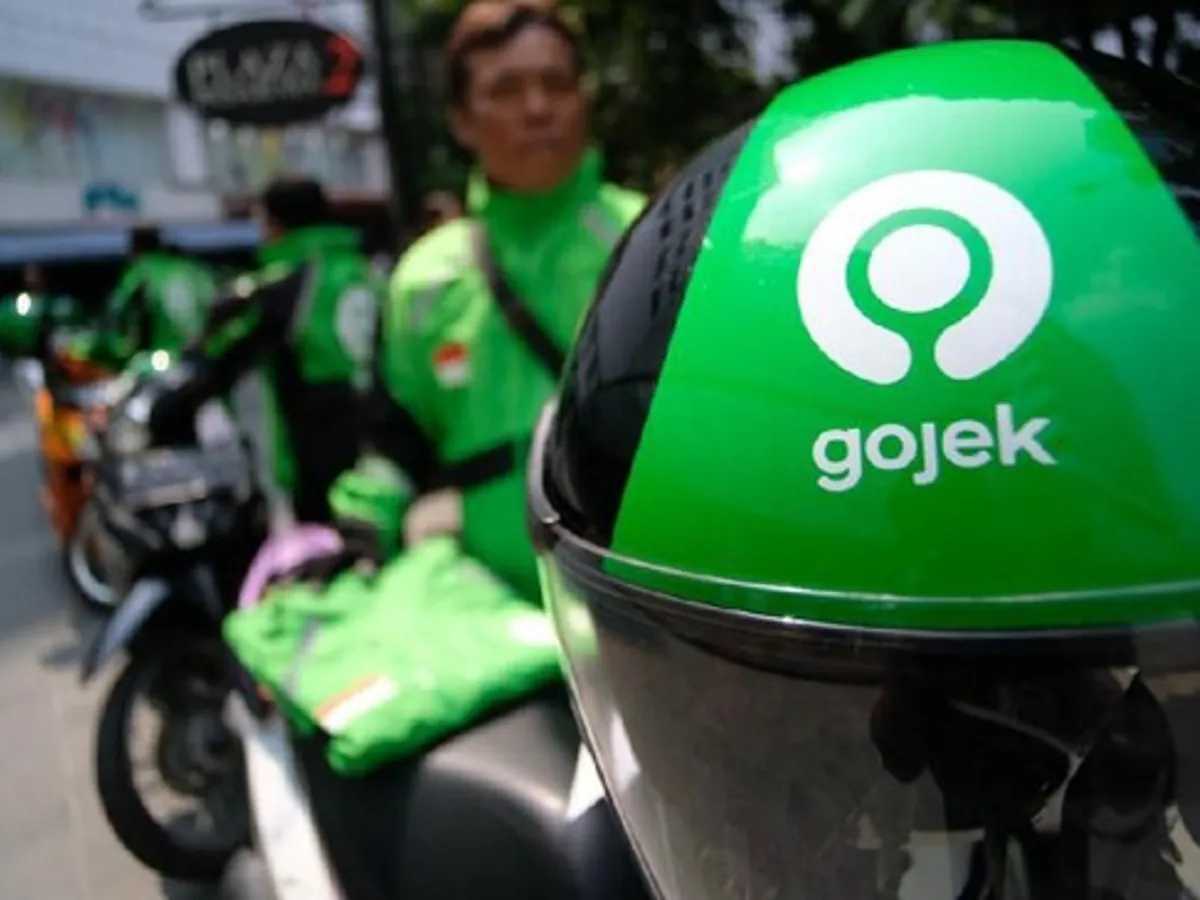
Starting July 1, GoRide and GrabBike will cut their commissions to 8 percent of fares, down from up to 20 percent, under a new presidential rule aimed at improving driver pay. The change means drivers will keep Rp92,000 per Rp100,000 fare, up from Rp80,000, with no change to passenger prices. The previous structure allowed platforms to take 15 percent in app rental fees and 5 percent in support charges.
Gojek announced the shift through Catherine Hindra Sutjahyo, Deputy CEO of GoTo. "Starting July 1, 2026, Gojek will implement an 8 percent commission on two-wheeled passenger transport services, or GoRide. This is our effort to continue improving the welfare of our online motorcycle driver partners," she said. Grab Indonesia announced the same terms for GrabBike, effective that same day.
What is the legal basis for the 8 percent cut?
The policy stems from Presidential Regulation No. 27 of 2026 on the Protection of Online Transportation Drivers, which President Prabowo Subianto announced during Labor Day ceremonies on May 1, 2026. Vice Chair of Parliament Sufmi Dasco Ahmad called the new structure something drivers have long demanded.
Yet Gojek and Grab moved ahead of the regulation's formal implementation details. A week earlier, some platforms were still charging the full 20 percent, citing incomplete technical guidelines. The two companies acted on their own initiative, moving faster than the supporting rules.
Why aren't couriers and car drivers included?
The 8 percent cap applies only to two-wheeled passenger services. GoCar, GrabCar, cargo delivery, and food orders remain outside the scope, a gap that has drawn driver union criticism.
The Indonesian Online Transportation Workers Union (SPAI), led by Lily Pujiati, reads the presidential regulation more broadly. "The regulation covers all online transportation workers performing passenger and goods delivery (including food) using two-wheeled, four-wheeled, or larger vehicles," Pujiati said. If regulators accept this interpretation, millions of car drivers and couriers would qualify for the same terms.
SPAI data underscores the tight margins in the sector. Some drivers take home only about Rp100,000 a day despite working 12 to 18 hours. Moving from 20 percent to 8 percent commissions gives two-wheeled drivers an immediate boost, but their counterparts in cars and courier services still wait for clarity.
Demands for lower commissions have been a recurring grievance in driver union protests for years. Prabowo elevated the issue to presidential regulation during Labor Day, giving it strong political weight. The open question now is whether the Transportation Ministry will issue rules expanding the cap to four-wheeled services and couriers, and when those drivers will see the same gain.