
France's public health authority, Santé publique France (SPF), reported approximately 1,000 excess deaths from a heat wave since June 24. The figure is preliminary, accounting for about 60 percent of deaths as the national surveillance system processes reports.
This is the first official French count. Until now, only the World Health Organization had released estimates, reporting over 1,300 excess deaths across Europe since June 21, with France as the largest contributor. The heat wave also set record temperatures in Germany and Czech Republic.
The SPF's release illustrates the limitations of a system built specifically after the 2003 heat crisis that killed nearly 15,000 people.
Daily death counts are stark: More than 1,200 people died on June 24, rising to over 1,400 on both June 25 and 26, compared to the normal 900 to 1,000 deaths per day in April and May.
Why will the 1,000 deaths continue to grow?
France's preliminary count will almost certainly rise. Excess mortality measures the difference between actual deaths and the average for the same period in previous years. SPF calculates this from electronic death certificates, which currently cover only 60 percent of the country's deaths. The remaining certificates flow into the system over the following weeks.
SPF summarized its data position: "Since June 24, around 1,000 additional deaths have been recorded compared to deaths in previous months." The agency noted that the figure remains unconsolidated.
Health Minister Stéphanie Rist identified a second factor: heat's effects are delayed. Some victims, including some younger people, did not arrive at emergency units until five to ten days after temperatures dropped. Those with chronic illnesses may feel the effects for weeks. Deaths will continue mounting even as France's temperatures return to normal.
Why did home deaths spike 40 percent?
SPF data recorded a 40 percent increase in deaths at home compared to normal levels, concentrated in the Île-de-France region. About 85 percent of victims were 65 or older, most living alone. The cause is structural: only around 24 percent of French households have air conditioning, and coverage is uneven. Mediterranean regions are far better equipped than western and northern areas.
Elderly people in apartments without air conditioning in western and northern cities face the highest risk, in spaces that are difficult for health workers and neighbors to reach.
WHO Director-General Tedros Adhanom Ghebreyesus captured this vulnerability: "Heat stress is often called the 'silent killer'. European homes, workplaces and schools were not built for these temperatures."
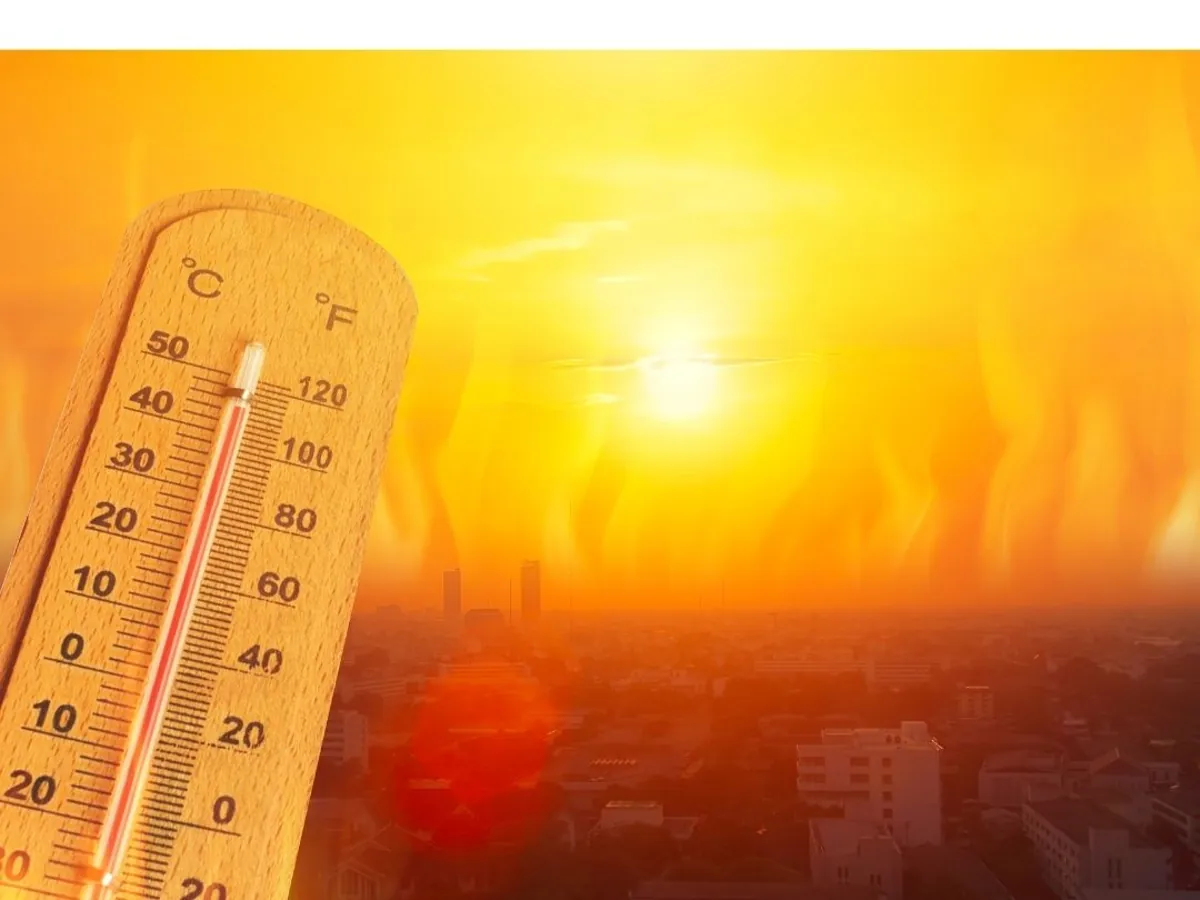
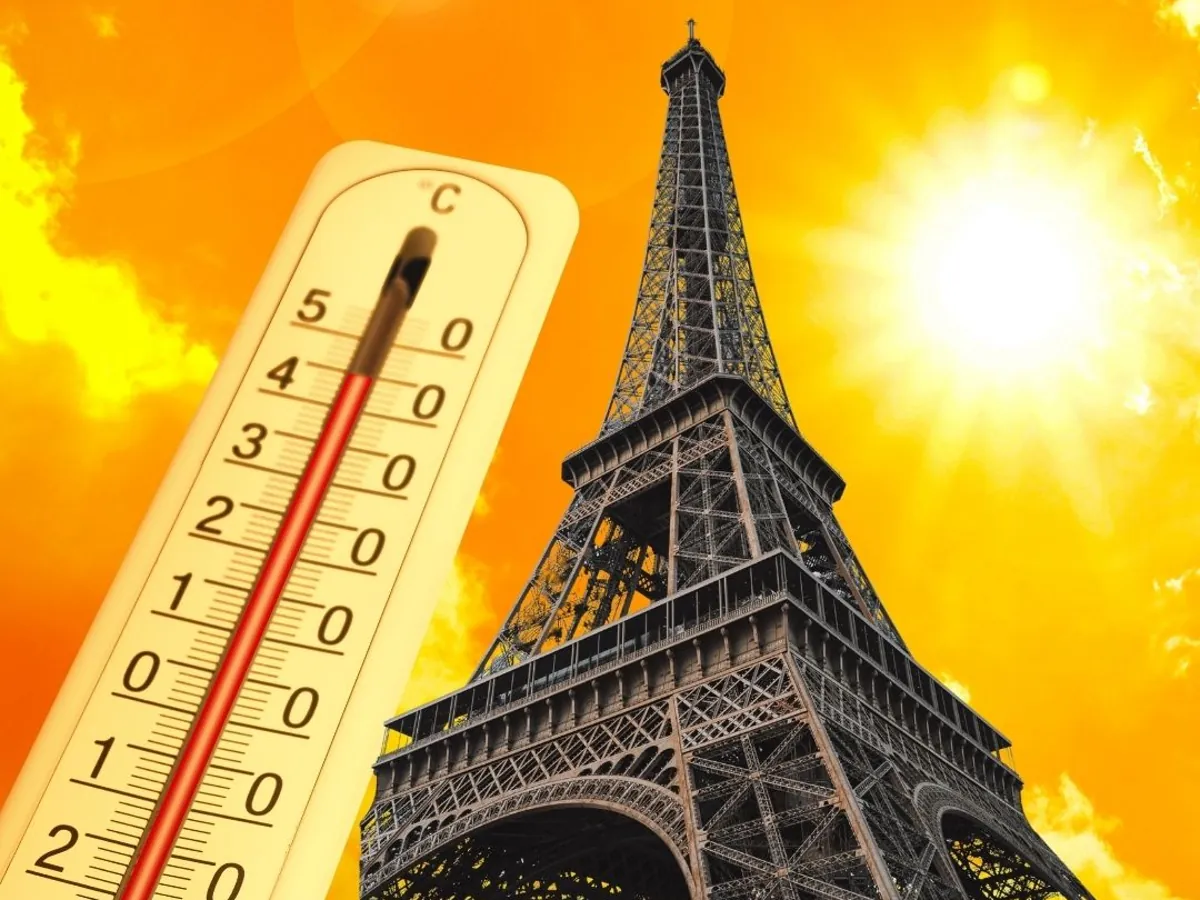
At its peak, a red alert covered 72 departments, roughly 75 percent of France. The weather station at Pissos in the Landes region recorded 44.3 degrees Celsius on June 23. June 23-24 were the hottest days in French measurement history: for the first time, the national average temperature over 24 hours exceeded 30 degrees Celsius.
What does this mean for Indonesia?
Indonesia has no system to measure excess mortality. Without systematic records comparing actual deaths against a historical baseline, heat-related deaths never enter official counts because there is no consistently maintained comparison figure.
France built its daily death surveillance system after the 2003 heat wave. That tiered system allows SPF to release estimates within days, even if coverage stands at 60 percent. The fact that France, with such a system in place, still acknowledges its data is incomplete shows how far countries without similar infrastructure must travel.
Tedros noted the climate context driving the frequency of such events: "Europe is the fastest-warming continent on Earth, heating at twice the global average." The WHO's count for all of Europe, more than 1,300 excess deaths since June 21, is expected to rise as data from Germany, Italy, and Spain are consolidated. SPF's own revision is scheduled for the coming weeks.