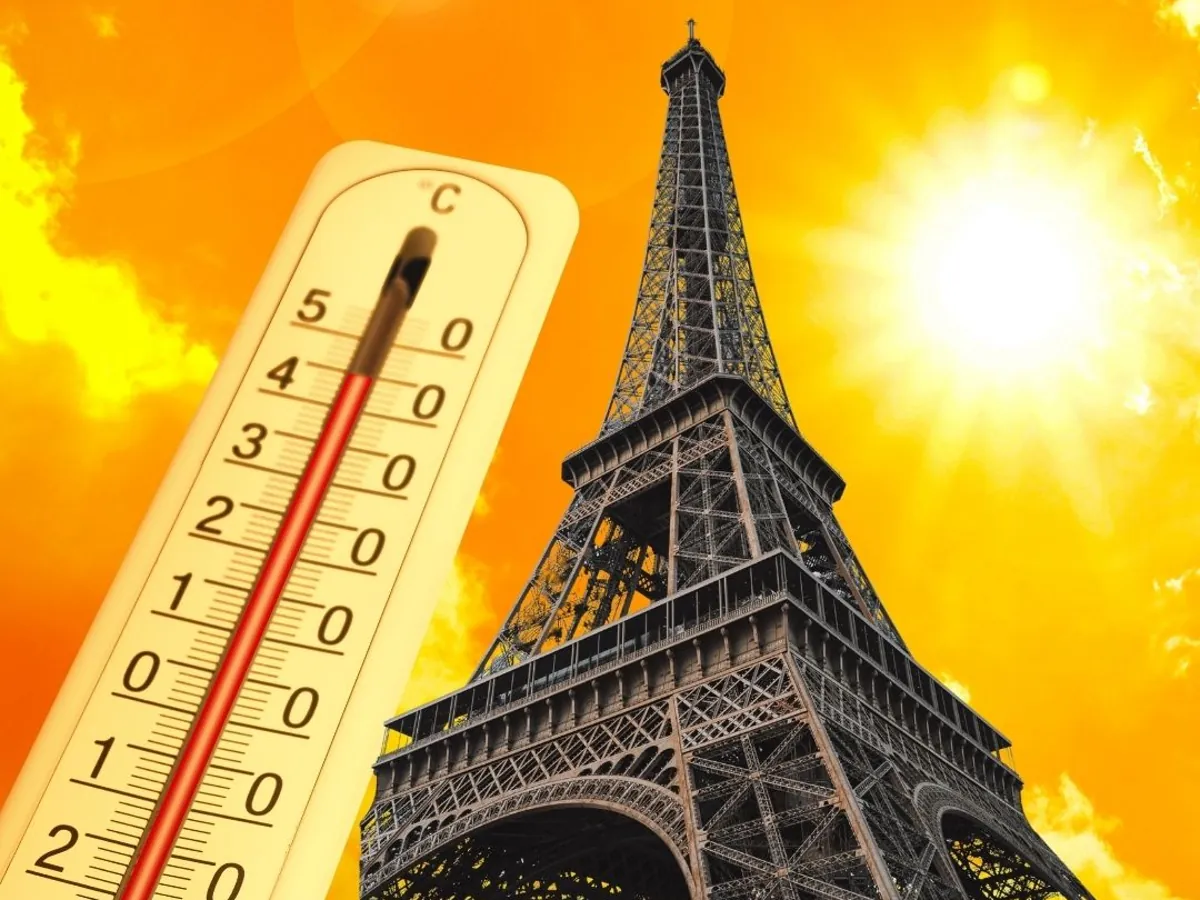

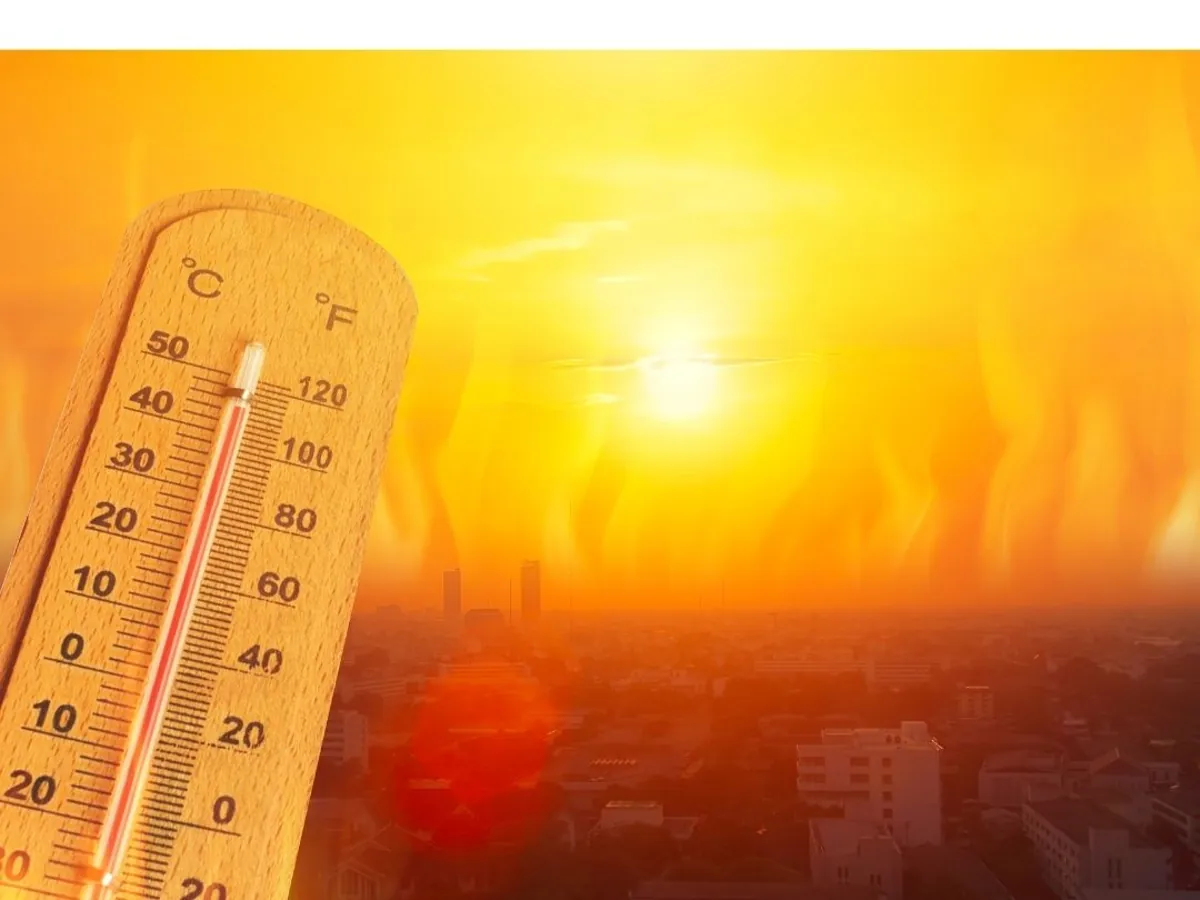
More than 1,300 people died from a heat wave across Europe within a week, according to the World Health Organization director-general Tedros Adhanom Ghebreyesus, who announced the figure on June 28, 2026. The deaths began accumulating from June 21 onward, when extreme heat started peaking in Western Europe, and the WHO classified them as "excess deaths": the gap between recorded fatalities and the normal average for that period.
Tedros acknowledged the count as a preliminary estimate. Historical data from Europe's major heat waves, including those in 2003 and 2022, show official totals typically climb as more complete audits arrive in the following weeks.
Why is it hard to count heat-related deaths?
Excess deaths measure the difference between actual mortality and the historical average for the same period. Heat waves rarely appear as the direct cause of death on medical certificates; victims are usually recorded as dying from heart attacks, kidney failure, or respiratory problems triggered by extreme temperatures. "Heatwaves pose serious health dangers, primarily by causing heat stress, which occurs when the body struggles to regulate its temperature," said Garyfallos Konstantinoudis, a lecturer at the Grantham Institute for Climate Change and the Environment.
The pattern emerged in indoor death rates: a sharp spike in French residents dying in their own homes during peak heat. They did not collapse on streets; they died in apartments without air conditioning, never counted as heat-wave victims.
Three-quarters of deaths were in one country
The 1,300 deaths were not evenly distributed. France alone recorded roughly 1,000 excess deaths since June 24, according to Santé publique France, the country's public health agency, with 85 percent of victims over 65 years old. Spain documented 174 confirmed excess deaths, plus more than 400 probable heat-related deaths between June 26 and 29. Germany, which hit a temporary national record of 41.3 degrees Celsius near Saarbrücken on June 27, reported at least seven direct deaths. Britain broke its June record with temperatures above 37 degrees Celsius in Suffolk; France recorded its hottest June on record at 43.3 degrees Celsius; Brussels reached 37 degrees on June 26.
France's concentration of deaths came from two factors: Santé publique France operates the most sophisticated real-time excess death monitoring system in Europe, making data available faster than other nations; and France faced the highest temperatures earliest.
Beyond direct heat deaths, France also recorded about 40 to 48 drowning deaths as residents tried to cool off.
Buildings and power grids not designed for extreme heat
"European homes, workplaces and schools were not built for these temperatures," said Tedros. The statement explains why deaths concentrated indoors. Europe built its homes and buildings to retain heat during winter; when temperatures hit 40 degrees Celsius and above, those same structures became heat traps.
Power grids and transportation networks suffered damage. In Finistère, France, more than 106,000 customers temporarily lost electricity when transformers overloaded on the night of June 23, dropping to about 68,000 the next day. Train services in Paris and Brussels were reduced to prevent rail buckling. Paris closed the Eiffel Tower and the Louvre early, banned alcohol consumption in public spaces, and postponed Pride March. Of France's 96 mainland departments, 49 were under the highest heat alert; hundreds of schools closed or shortened class hours.
Tedros noted that roughly 150 million people were living under extreme heat conditions at the time of the announcement. Sunday forecasts placed 191 million people under a minimum of 35 degrees Celsius, concentrated in Germany, Czech Republic, Hungary, and Poland.
From once in 300 years to more than once a decade
The heat wave was driven by a heat dome pulling air from the Sahara into Western and Central Europe starting around June 20. Its frequency has already shifted structurally.
"Heatwaves like we are seeing now are about 30 times more likely to happen than in the pre-climate change era," said Laurie Parsons, a researcher at Royal Holloway, University of London. Parsons elaborated: events of this magnitude, once projected to occur every 300 years, now happen more than once per decade. Tedros noted that "once-in-a-generation" events now occur nearly every year, saying: "Driven by climate change and global warming, the phenomenon of the 'once-in-a-generation' heatwave is now occurring nearly annual."
Europe is warming at twice the global average rate, making it the fastest-warming continent. Peak heat is shifting eastward; excess death data from Germany, Czech Republic, Hungary, and Poland will show how far the wave extended.
What does this mean for Indonesia?
Indonesia has a tropical climate: temperatures of 38 to 40 degrees Celsius during the dry season are routine in coastal cities and lowlands. Yet Indonesia has no excess death monitoring system like Santé publique France's. Heat-stress deaths in Jakarta or Surabaya most likely get recorded as heart attacks or kidney failure with no temperature attribution.
The risk factors are documented separately: an aging population, urban density, and the urban heat island effect growing with expanding pavement. These converge with the 2026 El Niño dry phase currently under way in Southeast Asia, pushing temperatures and water-stress higher than average. In the same week this heat wave peaked, twin earthquakes in Venezuela killed more than 1,400 people, a pair of major disasters concentrated in June 2026.
The WHO is urging investment in climate-resilient health systems. For Indonesia, the most concrete step is establishing a mechanism to detect heat-related deaths before the numbers slip away uncounted.