

Kalasuara -
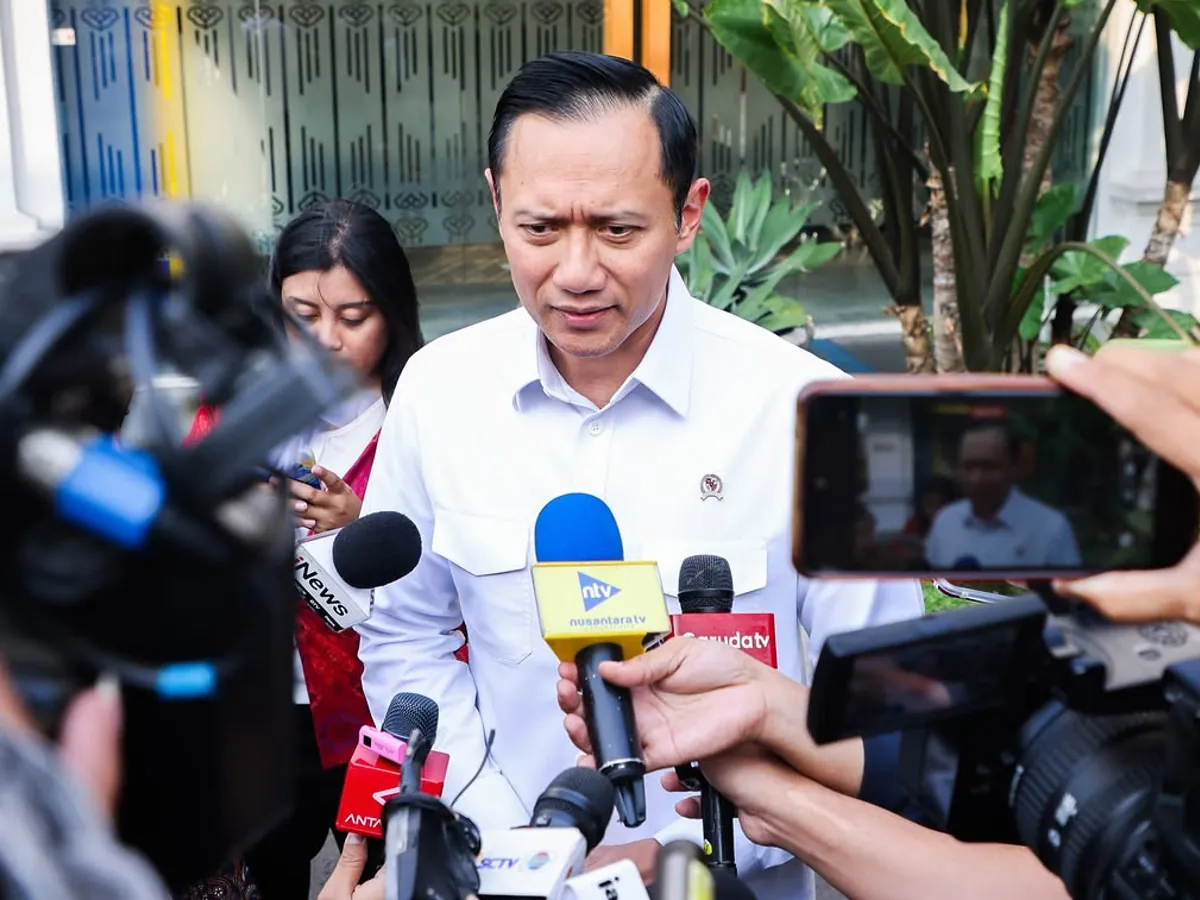
Coordinating Minister for Infrastructure and Regional Development Agus Harimurti Yudhoyono, known as AHY, promised close oversight of school revitalization work across Indonesia. He spoke Sunday, July 26, 2026, at the Gelora Bung Karno complex in Jakarta, as damaged schools in Grobogan and Jakarta drew public attention. The revitalization program covers a full repair of school buildings and facilities, from collapsed classrooms to teacher offices, and this year targets tens of thousands of schools through a self-managed scheme run by the schools themselves.
"Our focus is to keep overseeing the revitalization process, including school renovations across every region in Indonesia," AHY said. "We want to make sure every school ends up in better condition," he added.
The pledge came as the target for the 2026 School Unit Revitalization Program jumped from 11,744 to 71,744 schools, adding 60,000 schools to the original plan. The Ministry of Primary and Secondary Education (Kemendikdasmen) reported on June 17 that Rp13.4 trillion had already been allocated, but that sum only covers the original target of 11,744 schools. Funding for the additional 60,000 schools was still under discussion at the time.
Budget chasing a target that grew sixfold
The gap between the target and confirmed funding is the core problem. The target grew sixfold from the original plan, while the Rp13.4 trillion recorded officially on June 17 covers only a sixth of the new target. A separate government statement rounded the original budget ceiling to Rp14 trillion, a discrepancy that hasn't been explained.
Education Minister Abdul Mu'ti said work on the 71,744 schools will involve about 1.1 million people. "About 1.1 million people will work on revitalizing the 71,744 schools, over a period of three to eight months," he said. The work runs through self-management by the schools together with local residents, prioritizing schools hit by disasters, schools in underdeveloped, frontier, and outermost regions, and schools with severe damage.
Why has Jakarta only handled 11 of 22 schools?
Eleven schools are now on Jakarta's list for repair this year, up from the seven that originally had budgets allocated. Cuts to the Revenue Sharing Fund (DBH) and efficiency measures had trimmed the original plan of 22 schools down to just seven fully funded, before a later review added four more priority schools.
Jakarta Governor Pramono Anung Wibowo explained what happened. "I held a meeting yesterday with the head of the Education Agency. Of the 22 schools planned for construction this year, only seven ended up with allocated budgets. Why did this happen? Because of cuts to the DBH, efficiency measures, and so on," he said.
The four added schools are SDN Kebayoran Lama Selatan 09, budgeted at Rp48.1 billion; SMAN 102 Jakarta, Rp67.5 billion; SDN Cempaka Putih Barat 03, Rp48.4 billion; and the SDN and TKN Papanggo 01 complex, Rp74.1 billion. For SDN Kebayoran Lama Selatan 09, administrative steps run through August, with physical construction starting by September 2026 at the latest, funded through a combination of the Building Floor Coefficient (KLB) scheme and the revised regional budget (APBD Perubahan).
Grobogan moves after the Palace steps in
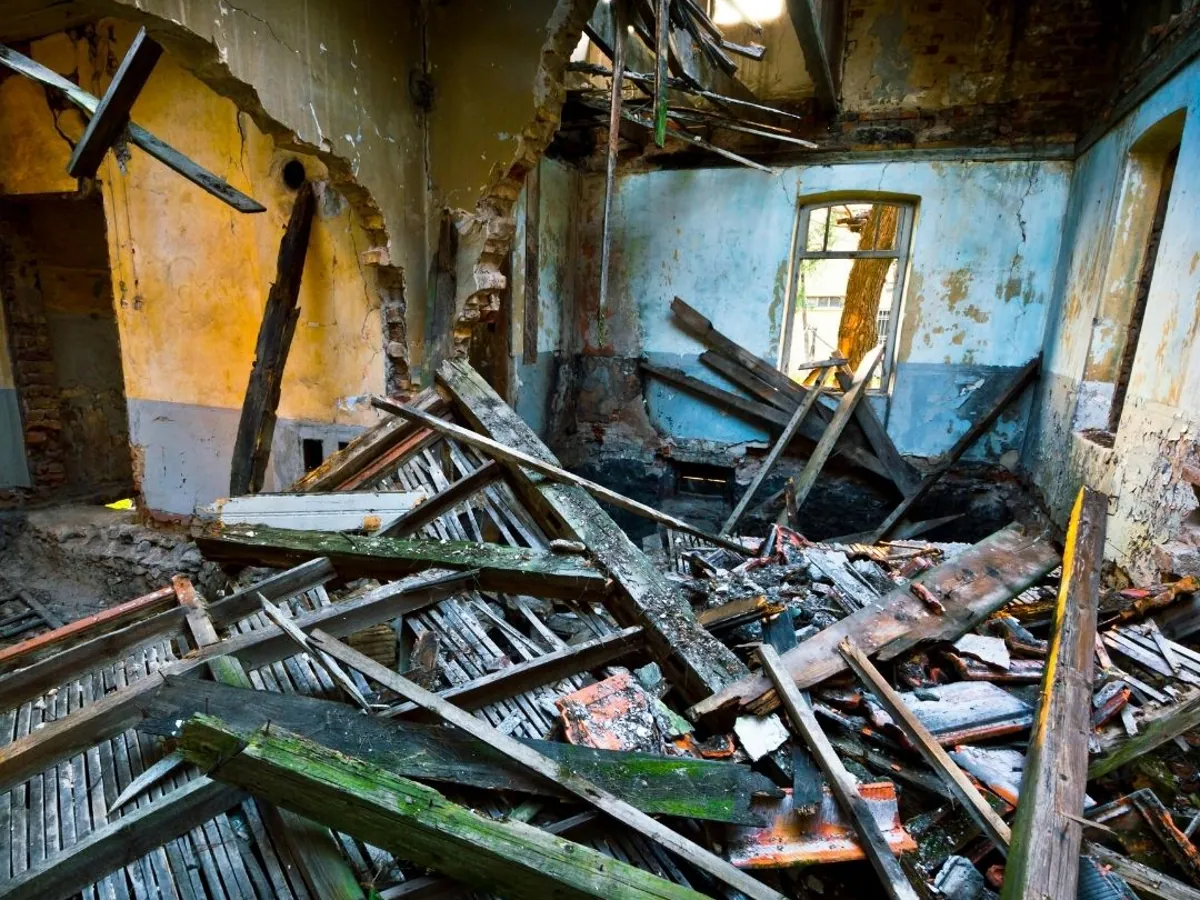
At SDN Tanggirejo in Grobogan, the damage built up in stages: a sixth-grade classroom was damaged in January 2026, followed by the teacher's office in April. While waiting for repairs, some students studied in shifts, and the school used a prayer hall as a temporary classroom. Revitalization work only began on Saturday, July 25, 2026, after officials from the Presidential Palace inspected the site.
"The Grobogan Education Agency had actually been arranging this through the revitalization program, but yesterday the Presidential Palace came to inspect directly, and today the work began," said Juwariyah, the school's principal.
The contrast between Grobogan and Jakarta shows two different paths to the same outcome. Grobogan moved quickly once it drew attention from the central government, while Jakarta waited through a regional budget process that was cut repeatedly before growing again through review. Both fall under the same national program, but the pace depended on who stepped in first.
The madrasa track runs on its own
Outside Kemendikdasmen, the Ministry of Religious Affairs runs a separate program for 1,397 madrasas with a budget of almost Rp4 trillion. Of those, 836 madrasas are being repaired under multi-year 2025-2026 contracts worth about Rp2.35 trillion, with national progress at about 62 percent as of June 21, 2026.
The program is based on Presidential Instruction No. 7 of 2025 on accelerating the development and revitalization of education units. In 2025, Kemendikdasmen recorded work completed at 16,167 education units with a budget of Rp16.9 trillion, far below the scale of the 2026 target, which now covers more than four times as many schools.

Comments