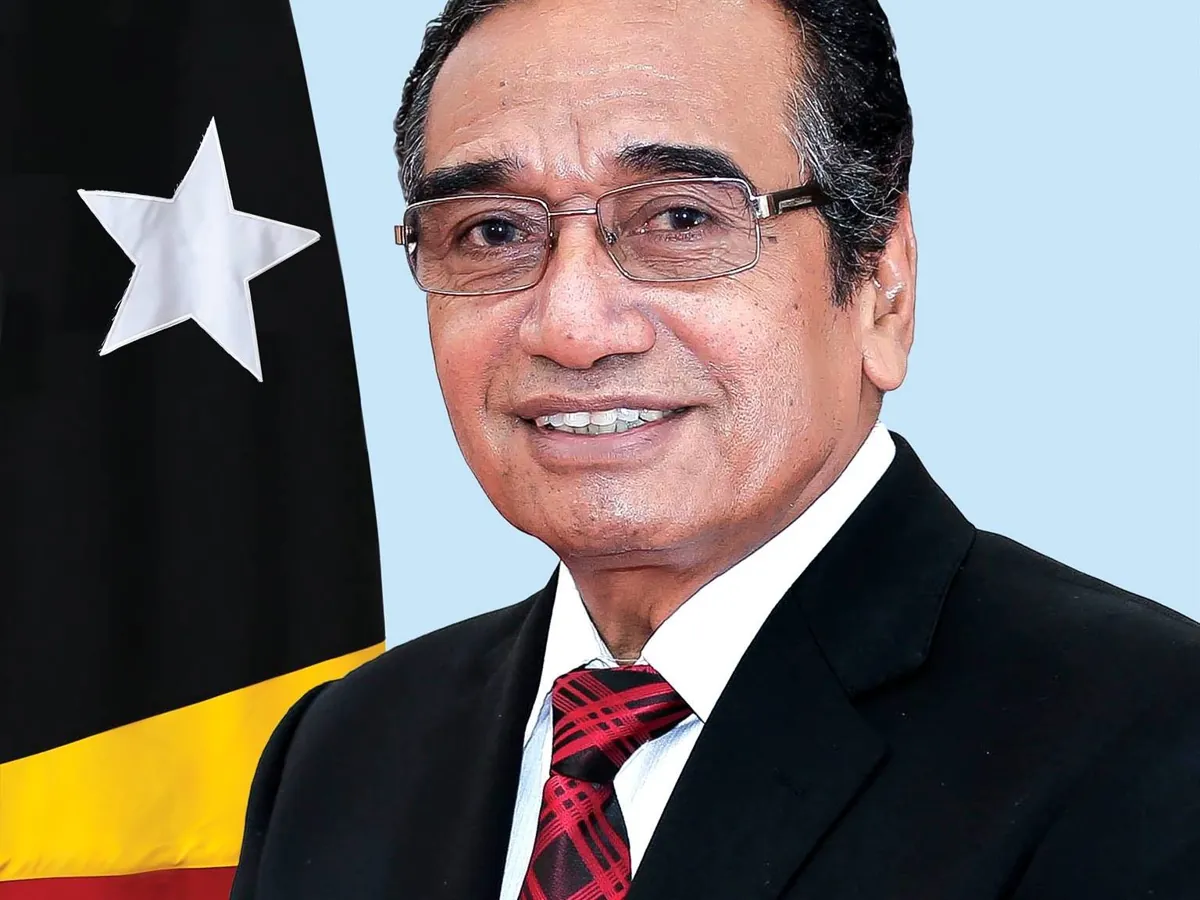

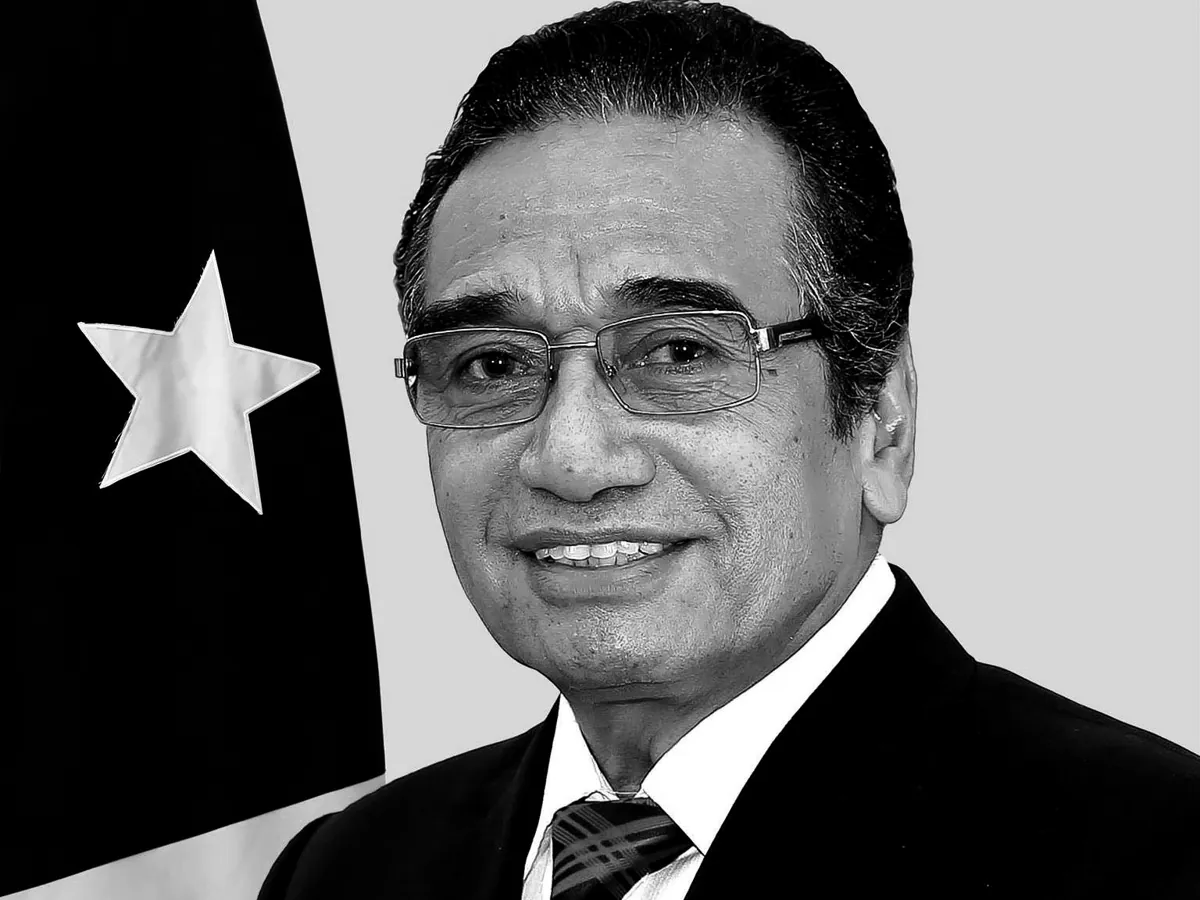
Timor-Leste's Cabinet convened in extraordinary session Monday and declared a seven-day national mourning for former President Francisco Guterres—known as Lú-Olo—who died June 21 at Prince Court Medical Centre in Kuala Lumpur at age 71. Acting Prime Minister Mariano Assanami Sabino announced the decision. The mourning period runs from 3 p.m. June 22 through midnight June 28, with national flags lowered to half-mast on all public buildings, diplomatic missions, and government vessels worldwide.
Who Was Lú-Olo, and Why Such Full Honors?
Lú-Olo was Francisco Guterres's nom de guerre from his years as a guerrilla fighter against Indonesian occupation. After Timor-Leste's independence in 2002, he led Fretilin, the nation's most influential political party, chaired the Constitutional Assembly that drafted the country's first constitution, and served as the sixth president from 2017 to 2022.
The seven-day mourning reflects his singular place in Timorese history—a guerrilla commander who became a constitutional architect, shepherding the nation from armed resistance to democratic governance. The tributes arrived simultaneously through three channels: the Cabinet's official decree, a moment of silence in Parliament, and statements from foreign leaders—a rare convergence of executive, legislative, and diplomatic recognition.
President Jose Ramos-Horta, who visited Lú-Olo when his condition was described as critical, said: "I receive this news with profound sadness and regard the passing of President Francisco Guterres Luolo as a great loss."
Why Malaysia and Portugal Responded
Lú-Olo died in Kuala Lumpur, prompting Prime Minister Anwar Ibrahim to issue an official statement: "I mourn the passing of former President of Timor-Leste Francisco Guterres. On behalf of Malaysia, I offer condolences to his family and the entire Timorese people." Anwar added that Lú-Olo "remained steadfast in fighting for his people's freedom and building a democratic nation" throughout his tenure.
Portuguese President António José Seguro called Lú-Olo "one of the architects of modern Timor-Leste." The tribute carries particular weight: Portugal, the former colonial power, maintains Portuguese as an official language in Timor-Leste's constitution—a bond that gave Seguro's statement deeper resonance than routine condolences.
As of publication, the government and family have not disclosed the cause of death. Funeral arrangements and venue remain unannounced. Indonesia's Foreign Ministry had not issued a formal statement—noteworthy given that Timor-Leste shares a land border with Indonesia's East Nusa Tenggara province and is currently completing its process for full ASEAN membership.