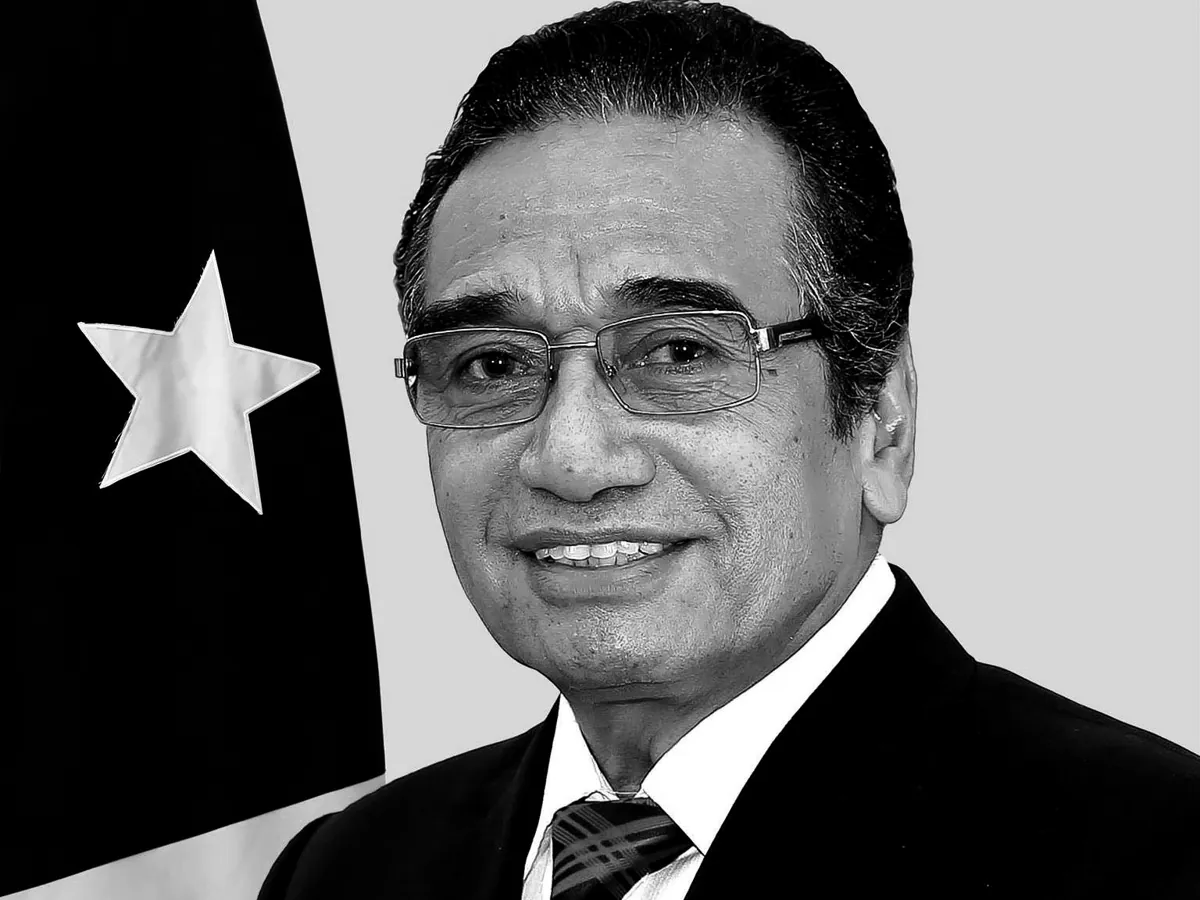

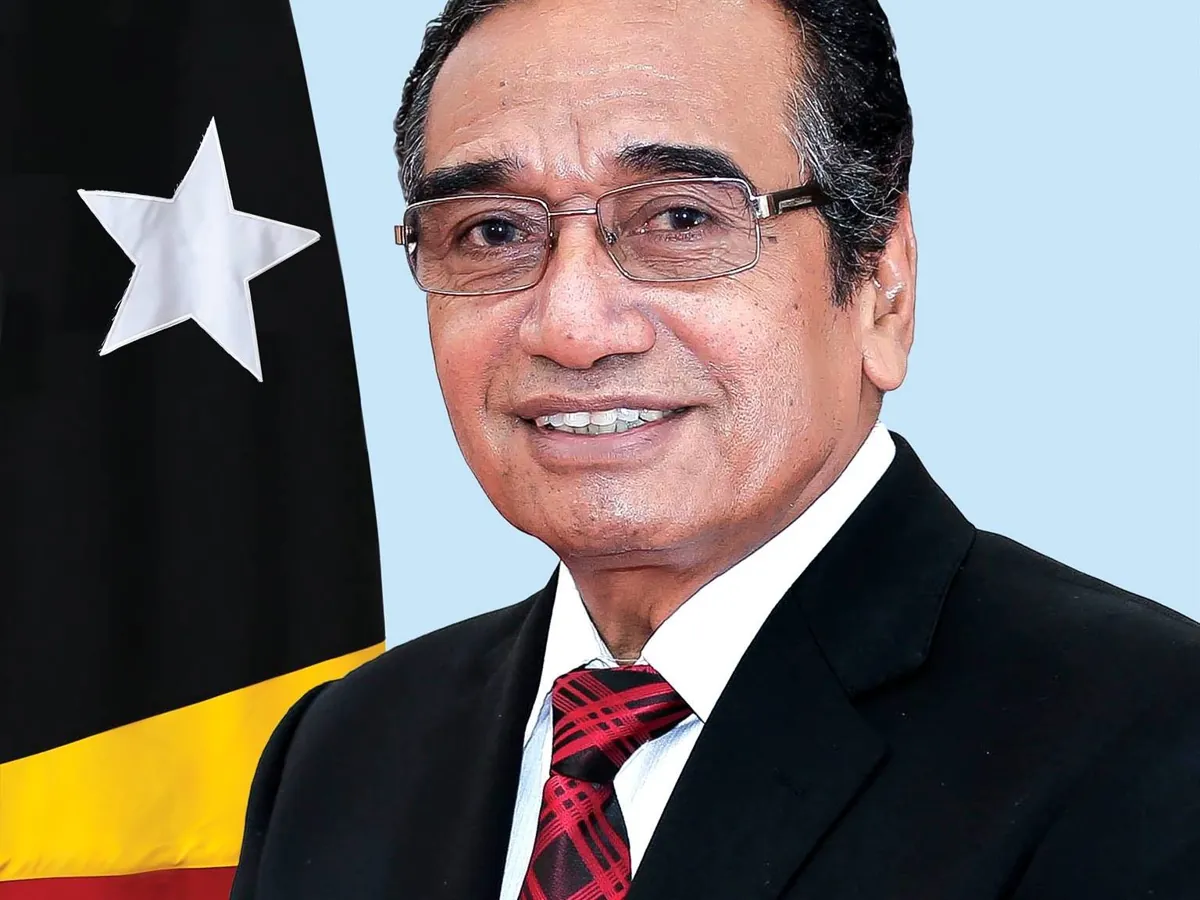
Francisco Guterres, the independence hero known as Lú-Olo, died Sunday night at Prince Court Medical Centre in Kuala Lumpur. He was 71. His family announced the death on social media, and it was later confirmed by TATOLI, Timor-Leste's state news agency. No official cause has been released.
Guterres was the sixth president of Timor-Leste, serving from 2017 to 2022. Before that, he chaired the National Parliament, the role from which he read the country's independence proclamation on May 20, 2002—three years after a referendum ended 24 years of Indonesian occupation.
His path to that moment was long and bloody. Born September 7, 1954, in Ossu in Viqueque province, the sixth child of a poor farming family, Guterres joined the Fretilin party as a young man and became a member of Falintil, its armed wing. During Indonesia's occupation (1975–1999), he fought in Timor's forests and mountains. When Falintil commander Konis Santana died in 1998, Guterres took command of the armed struggle, steering Fretilin through its most critical phase toward the referendum that would restore his country's freedom.
Why Lú-Olo's Death Matters to Indonesia
Guterres was the face of a generation that spent nearly a quarter-century in direct combat with the Indonesian military in what Jakarta then administered as its 27th province. His death came eight months after Timor-Leste officially became ASEAN's 11th member on October 26, 2025, placing Dili and Jakarta in the same regional forum.
His life embodied that transformation: from guerrilla commander who took up arms against Jakarta to head of state who witnessed Timor-Leste join the bloc that Indonesia founded and long dominated. Now the region's youngest member state moves forward without one of the figures most decisive in bringing it to birth.
Anwar Ibrahim, Malaysia's prime minister, issued a formal statement from the country where Guterres had been receiving his final care. "I mourn the passing of former President of Timor-Leste Francisco Guterres. On behalf of Malaysia, I extend my condolences to his family and to the entire people of Timor-Leste," he said. He added: "Throughout his service, he remained steadfast in fighting for his people's freedom and building a democratic nation."
In Dili, Deputy Chairman of the National Parliament Duarte Nunes called on lawmakers to observe a moment of silence at Monday's session (June 22) in his honor. The family said his passing was a loss to his wife, Cidália Lopes Nobre Mouzinho Guterres, their four children, the Fretilin party, his comrades in arms, "and all who shared the dream of building a Timor-Leste that is free, democratic, and sovereign."
The Thinning Generation of '1975
With Lú-Olo's death, the founding generation of Timor-Leste has lost another pillar. Xanana Gusmão and José Ramos-Horta, the strongest figures from that cohort, remain active in politics. But that generation's legitimacy rests on their experience in armed resistance for more than two decades—an experience that cannot be passed to those who follow.
Timor-Leste, eight months into ASEAN membership, now faces a dual pressure: meeting the economic expectations that come with being the bloc's youngest member while preparing the next generation of leaders who must build authority through institutions and democratic process. Each time the founding generation loses a member, that question grows more urgent.
Officials in Dili announced a seven-day national period of mourning. As of publication, Jakarta had not issued an official statement.