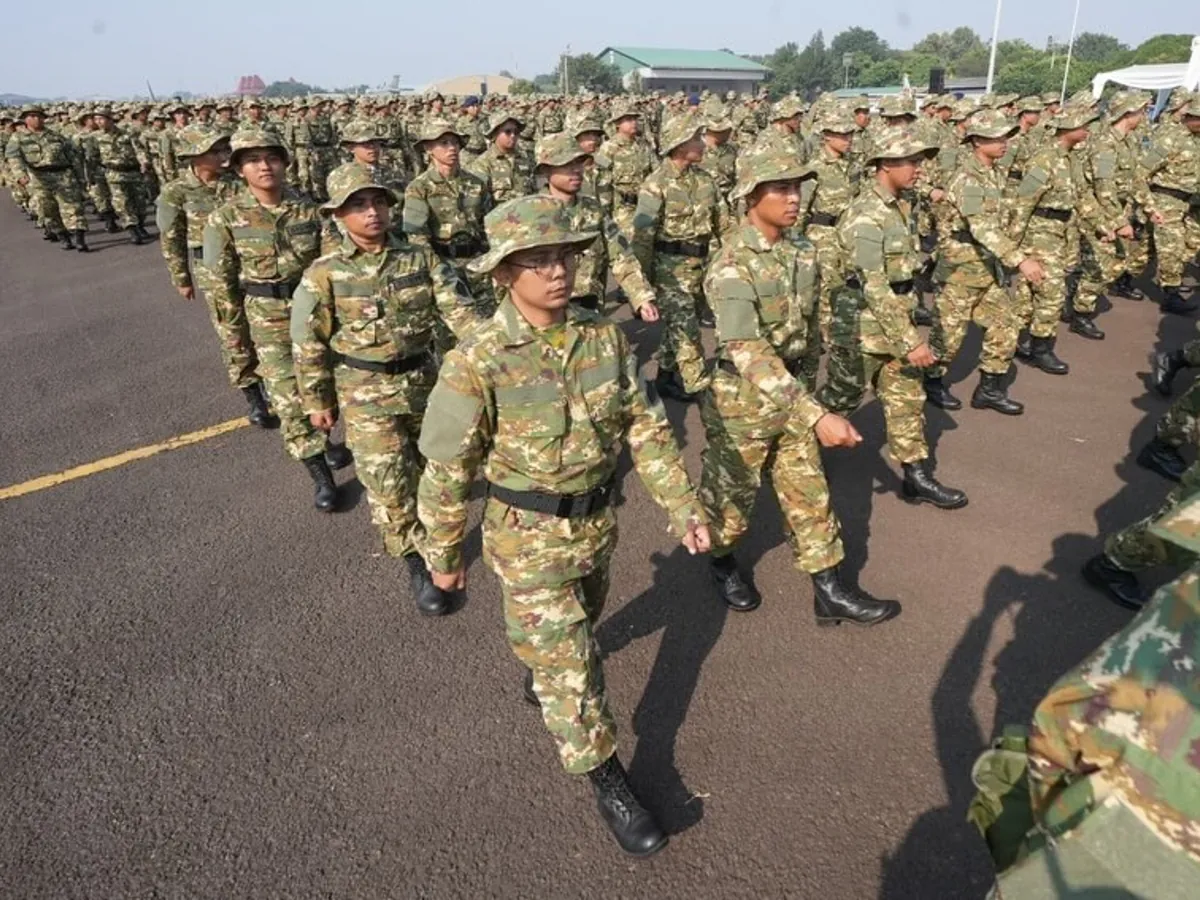


Three participants in Indonesia's young leaders development program died within a single week in June 2026 while undergoing mandatory military training for future cooperative managers. The deaths between June 17 and 23 sparked a parliamentary review of both health screening procedures and the program's design.
Hasanuddin, a retired major general and member of parliament's Defense Commission, called for a comprehensive evaluation on June 25. He argued that the program's military component was too demanding for participants who, after graduation, would manage village cooperatives and handle budgets and loan administration.
"If participants are being prepared for managerial roles at the village cooperative level, the focus should be on cooperative management training, organizational capacity building, and relevant technical skills. Military training should be limited to basic instruction," Hasanuddin said.
Two days of drilling for one day of accounting
The Basic Military Training (Latsarmil) is mandatory across 67 military bases nationwide for 35,476 participants: 30,000 candidates for the Red-White Village Cooperative program and 5,476 for fisheries cooperative management.
Of the 45-day program, 30 days focus on military discipline and physical training, while only 15 days cover managerial skills. Trainees spend twice as much time on military instruction as on the core management and financial skills they will need in their actual work.
Agustinus Subarsono, a public policy expert at Gadjah Mada University, criticized the imbalance. "Training in cooperative work planning and professional financial management would be far more useful," he said. Made Supriatma, a researcher at the ISEAS-Yusof Ishak Institute, questioned why cooperative managers needed military training at all, arguing they should receive instruction in management, accounting, marketing, and business administration instead.
Why did health screening become the critical point?
Two of the three deaths involved cardiac events and heat stroke during physical exertion; one stemmed from pre-existing tuberculosis. All three cases raised the same concern: whether initial medical screening was rigorous enough to identify individual health risks before participants entered a program with physical demands equivalent to military training.
Yonanda Muhammad Taufiq died of cardiac arrest on June 17 at a training facility in Baturaja. Anisa Muyassaroh suffered heat stroke and cardiac arrest on June 18 in Balikpapan. Novia Rahmadhani Sihotang died on June 23 in Jakarta from complications related to tuberculosis she already had.
Hasanuddin stressed that screening must be tightened. "Health checks must be conducted correctly and rigorously by medical professionals. Inaccurate screening can allow people with underlying conditions to participate in physically demanding training, potentially with fatal consequences," he said.
The Defense Commission ordered four areas evaluated: health screening procedures, training intensity, medical supervision during activities, and whether the military component matched the work participants would actually do. It recommended limiting military instruction to basic activities like formation drills, ceremonies, roll call, and morning exercises, with health clearance required before participation.
Defense Ministry response
The Ministry of Defense defended the program. Brigadier General Rico Ricardo Sirait, head of the Defense Ministry's information office, said the training aims to build discipline, leadership, teamwork, integrity, service commitment, and work ethic. The ministry stated that all participants underwent health screening before training began.
The outcome of the Defense Commission's evaluation will determine whether the remaining training sessions for all 35,476 participants proceed as scheduled or are suspended pending its findings.