
Three candidates for Indonesia's village cooperative program died within one week of beginning compulsory military training, with causes ranging from heat stroke to tuberculosis. Though the Defense Ministry confirmed all three had passed health screening beforehand, the deaths raise questions about the screening's adequacy.
Three victims, three causes
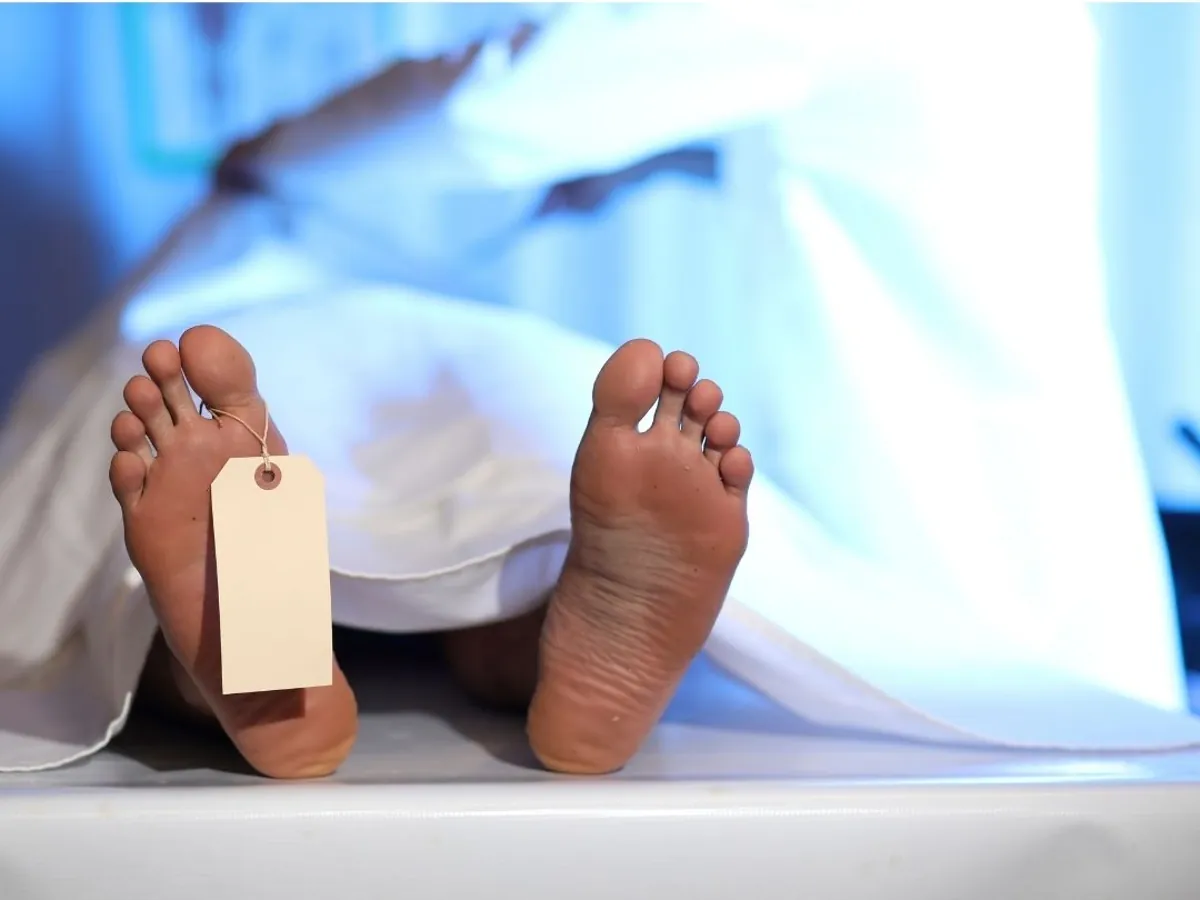
Anisa Muyassaroh collapsed during training at the Balikpapan military facility on June 18 and died of heat stroke and cardiac arrest. Yonanda Muhammad Taufiq, training at a facility in Baturaja, deteriorated starting June 17 before being hospitalized and dying of cardiac arrest. The third death occurred June 23: Novia Rahmadhani Sihotang, a trainee at a Jakarta-based military facility, died of complications from tuberculosis at the Air Force Hospital.
Brigadier General Rico Ricardo Sirait, spokesman for the Defense Ministry, confirmed all three deaths on June 23.
Novia's death directly challenges the screening process. Tuberculosis is typically detected through chest X-rays, a standard component of pre-training health checks. If Novia had cleared screening, the Defense Ministry has not explained whether chest X-rays were included. The other two deaths, diagnosed as heat stroke and cardiac arrest, more directly connect to physical exertion in the open air.
Why do village cooperative candidates undergo military training?
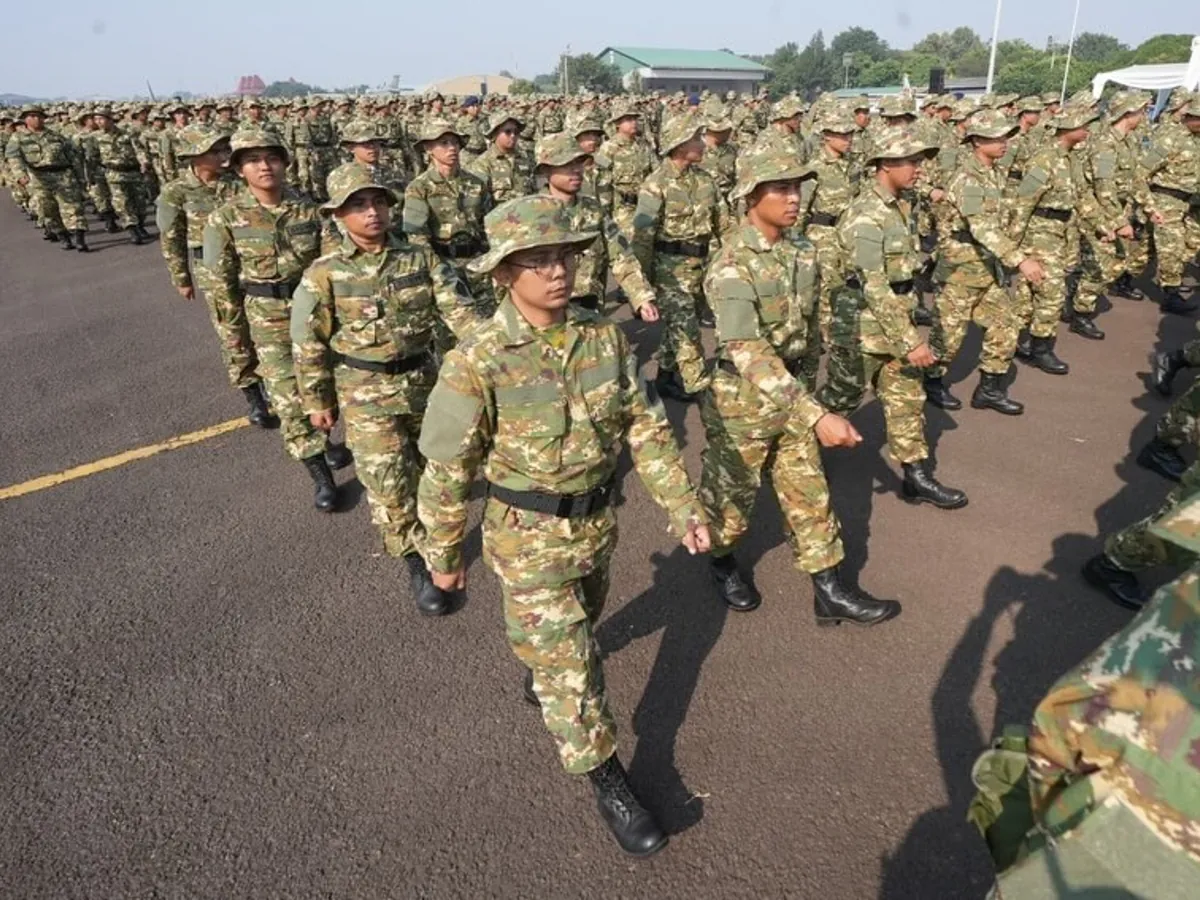
Basic military training is a curriculum requirement for SPPI participants: government-selected graduates assigned to manage village cooperatives. The training began June 16 and runs approximately one month across 67 military sites nationwide, followed by 15 days of management instruction.
Critics question its relevance. Village cooperative managers need expertise in accounting, logistics, and business communication. Military drills are not essential to those roles. Usman Hamid, executive director of Amnesty International Indonesia, said:
"Stop military training immediately and provide education focused purely on cooperative management and business practices."
Amnesty also demanded an independent investigation into the deaths. Hamid argued that the Defense Ministry's claim that all three had passed screening made the investigation request more urgent.
Program continues
From the presidential office, Juri Ardiantoro, deputy minister for state secretariat, signaled no change of course: "The Red and White Cooperative program will of course continue. We hope for success."
The Defense Ministry said it is conducting a comprehensive review of health screening procedures and strengthening medical supervision. In Parliament, TB Hasanuddin, a member of Commission I from the Indonesian Democratic Party of Struggle, called for a broader review of health, safety, and implementation protocols. He proposed reducing strenuous physical activities such as firearms drills, marching, and exposure to extreme heat.
Of the three responses, Parliament pushed furthest toward change, pressing for curriculum reform. The Defense Ministry committed to a review of procedures. The presidential office signaled the program would continue. Tens of thousands of SPPI participants remain in training across 67 sites without a decision on their status, and the Defense Ministry has not released a comprehensive health assessment of all participants. Amnesty noted that death announcements came days after funerals, raising further questions about transparency during the program.
The Red and White Cooperative program ranks among President Prabowo's priority initiatives, now facing pressure for revision. Other government programs are undergoing similar adjustments, and scrutiny over the military's role in civilian affairs continues, including ongoing parliamentary review of police law reform.