

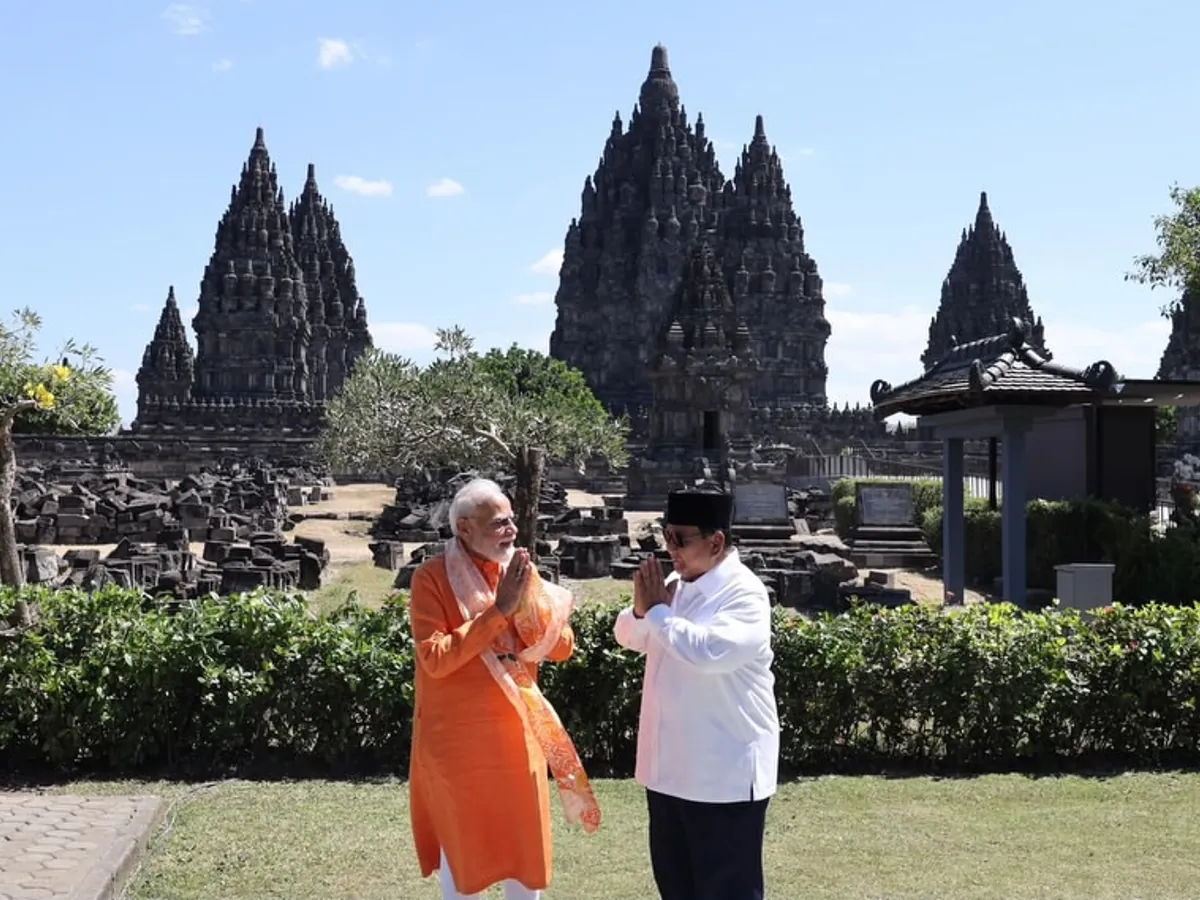
Indian Prime Minister Narendra Modi pledged on July 8, 2026, that restoration at Prambanan Temple will be complete before 2029, to be marked as a major festival alongside President Prabowo Subianto. The two leaders signed a cooperation plaque at the temple complex in Sleman, Yogyakarta, formalizing the project's launch.
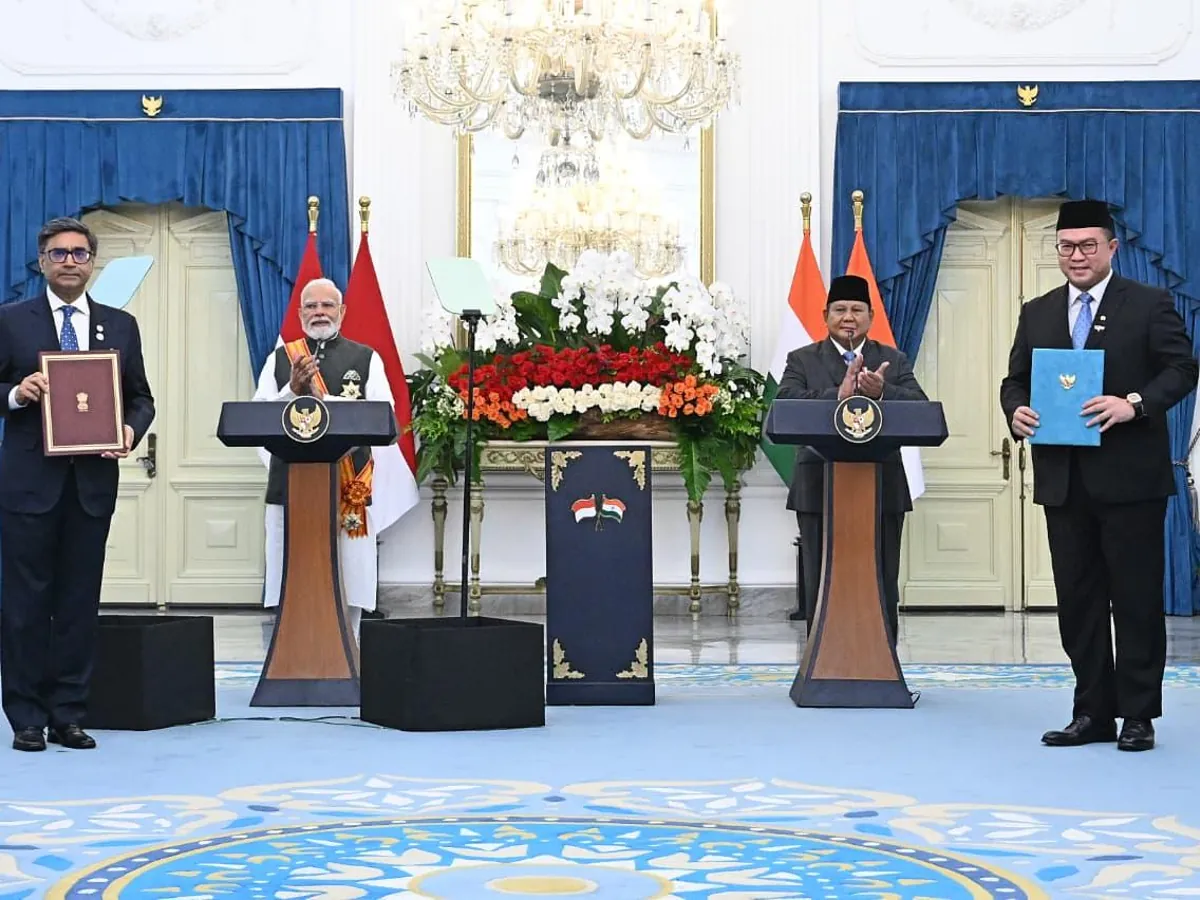
The program, named "Indonesia-India Collaborative Culture Heritage Conservation," is anchored in a Letter of Intent that Prabowo announced in Jakarta on July 7, 2026, as part of the two countries' Comprehensive Strategic Partnership. It runs ten years, from 2026 to 2036.
"With our joint efforts, we will complete this work before 2029, and together we will celebrate the restoration and inauguration as a great festival," Modi said. He also praised Prabowo's approach to the project: "President Prabowo, as someone with a military background, knows how to plan everything," he said.
What does "before 2029" mean for Prambanan's restoration?
The 2029 deadline is the target for the program's first milestone; restoration of the full complex runs through 2036. Of the 224 perwara shrines at the site, only 6 have been fully restored and 218 remain in ruins. The Indonesia-India collaboration targets 54 perwara shrines in the northeastern quadrant in its first phase, leaving 164 for later stages.
Modi's promised festival is most realistically a celebration of that 54-shrine milestone. "I must make a return visit to Indonesia to inaugurate this temple complex after restoration is complete," he said. The Indonesian government has not publicly clarified whether "complete" means the 54 first-phase shrines or all 218.
Why is the project designed to run ten years?
Anastylosis reconstructs a structure from its original stones at their original location, adding new material only where unavoidable to preserve authenticity. Each of thousands of stones must be identified individually. At Prambanan, centuries of collapse have mixed stones from different structures, and some original components are gone entirely.
"The limitations of comprehensive documentation methods, the mixing of stones from different temple structures, and the loss of some original components make the restoration of Prambanan's perwara shrines one of the most complex anastylosis projects in existence," said Culture Minister Fadli Zon.
The program uses LiDAR digital documentation, photogrammetry, archaeological research, geotechnical studies, and artificial intelligence for virtual reconstruction. The Archaeological Survey of India (ASI) brings anastylosis experience from projects on the subcontinent; Indonesia contributes site authority and decades of accumulated field data.
Fadli Zon said he hoped the state visit would push fieldwork forward. "We hope this visit's momentum can accelerate the realization of the restoration program, while maintaining the scientific standards, authenticity, and integrity of Prambanan as a World Heritage site," he said.
A cultural deadline and two election calendars
2029 is an election year in both countries. Indonesia schedules its general election for early 2029; India holds its general election the same year. The inauguration festival Modi promised, if it happens, falls at the end of the first terms of both leaders who signed the agreement.
For India, involvement at Prambanan fits its "Act East" cultural diplomacy strategy: a monumental Hindu temple at the heart of Java as a marker of civilizational ties across the Indian Ocean.
The signed Letter of Intent does not include budget details, cost-sharing arrangements, or rights over the digital data generated during restoration. Without those points in a more binding agreement, the 2029 deadline rests entirely on the political commitment of two leaders at the end of their respective terms.
Comments