

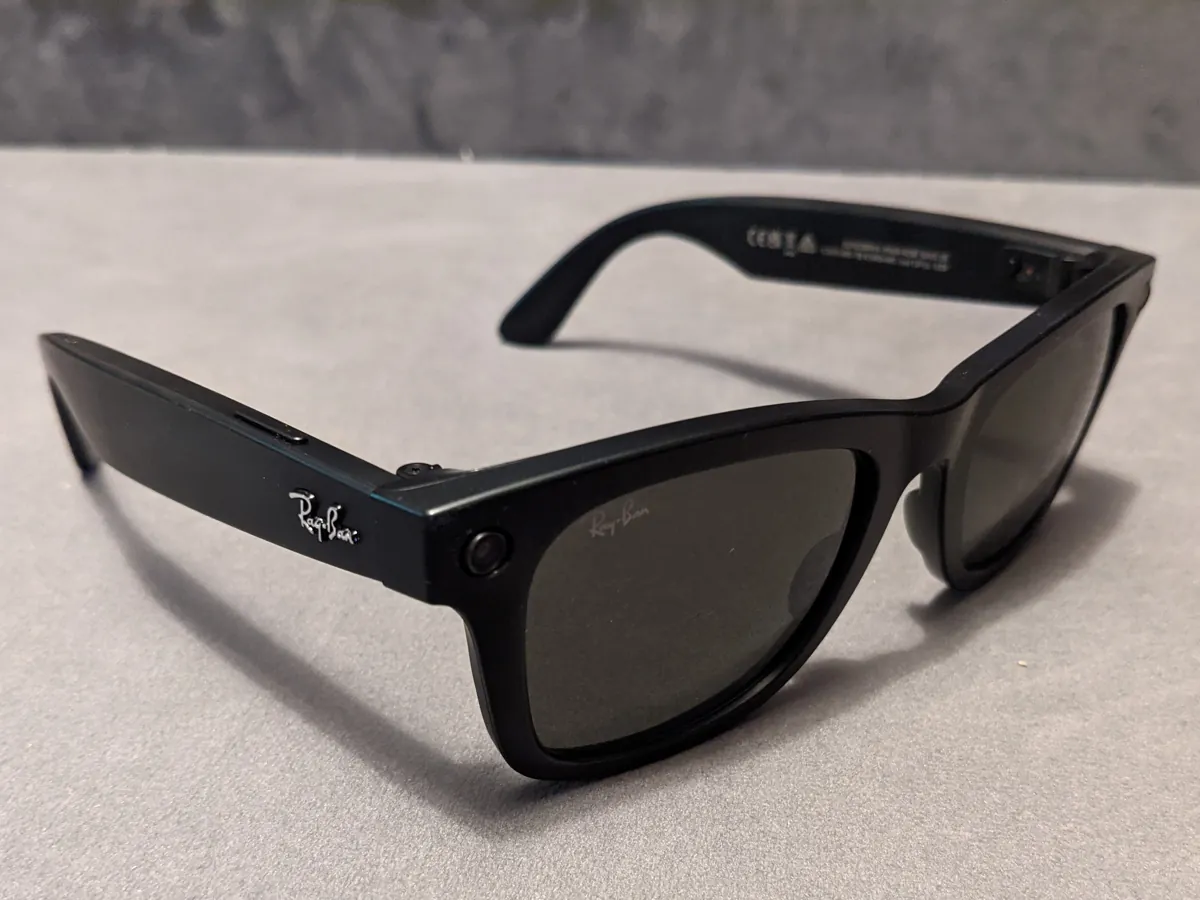
Conversation Focus, the directional-microphone hearing assist built into Ray-Ban Meta glasses, is now limited to three hours a month for users without a subscription. Full access requires Meta One Premium at $19.99 a month, which raises the cap to 15 hours.
The restriction arrived with Ray-Ban Meta software update version 26. Meta began testing it in May 2026, and it attracted wide attention after tech outlets reported on it in early July 2026.
Why has this usage cap drawn criticism?
Conversation Focus is an accessibility feature. Directional microphones in the glasses frame pick up the voice of whoever is directly in front of the wearer while suppressing background noise from other directions. All processing happens on the device; no audio reaches Meta's servers.
That on-device design is what makes the cap hard to justify on technical grounds. Cloud-based AI services routinely impose quotas because each request consumes cloud computing costs. For a feature that runs on a chip inside the glasses frame, no such cost mechanism exists. 9to5Google put it plainly: "Since the feature runs fully on-device, it makes no sense for Meta to impose usage limits on the feature."
Meta offered a different explanation. In an official statement, the company said the subscription supports ongoing feature development and provides broader access for intensive users along with premium device support. "Currently this subscription only covers expanded access to Conversation Focus and premium device support. But most people will use the feature without hitting the monthly limit," Meta said.
No specific data accompanied that claim. For users who rely on Conversation Focus as a daily hearing aid in noisy environments, three hours a month works out to less than seven minutes a day. That is not a workable allowance. The people who depend most on the feature are the ones hit hardest by the limit.
What does this mean for buyers in Indonesia?
In Indonesia, Ray-Ban Meta is available through online retail channels. The Ray-Ban Meta Gen-2 Optics Styles starts at $499, or around Rp 8.4 million. The Ray-Ban Display model starts at $799, or around Rp 13 million, available through retailers including Blibli with an official warranty label.
Indonesian buyers have already paid millions of rupiah for the hardware. The problem is that Meta One Premium may not be accessible from Indonesia. If the service is unavailable locally, buyers are stuck at the three-hour monthly cap with no way to raise it. Users in markets where Meta One already operates have a workaround. Indonesian users likely do not.
The practical result: someone pays over Rp 8.4 million for the device, a software update locks one of its main features, and the subscription key to unlock it may not even be on sale here.
From cars to glasses: features that can be metered
A similar model appeared first in the auto industry, where manufacturers locked physically installed features behind monthly subscriptions. Software has long shifted toward a rental model, and AI glasses are following the same path. The difference here is that Conversation Focus has been promoted as an accessibility feature, a category that has historically been expected to be available without extra payment barriers.
Meta One Premium also covers AI access in Instagram, Facebook, and WhatsApp, along with premium device support. Conversation Focus is one component of the bundle. For users who bought Ray-Ban Meta specifically for the hearing assist, that packaging does not change the core problem.
Two questions remain unanswered: how many Ray-Ban Meta users actually exceed the three-hour monthly limit, which would determine whether Meta's claim that most people won't hit the cap can be verified; and whether other Ray-Ban Meta features will follow the same metered model in future updates.


Comments