

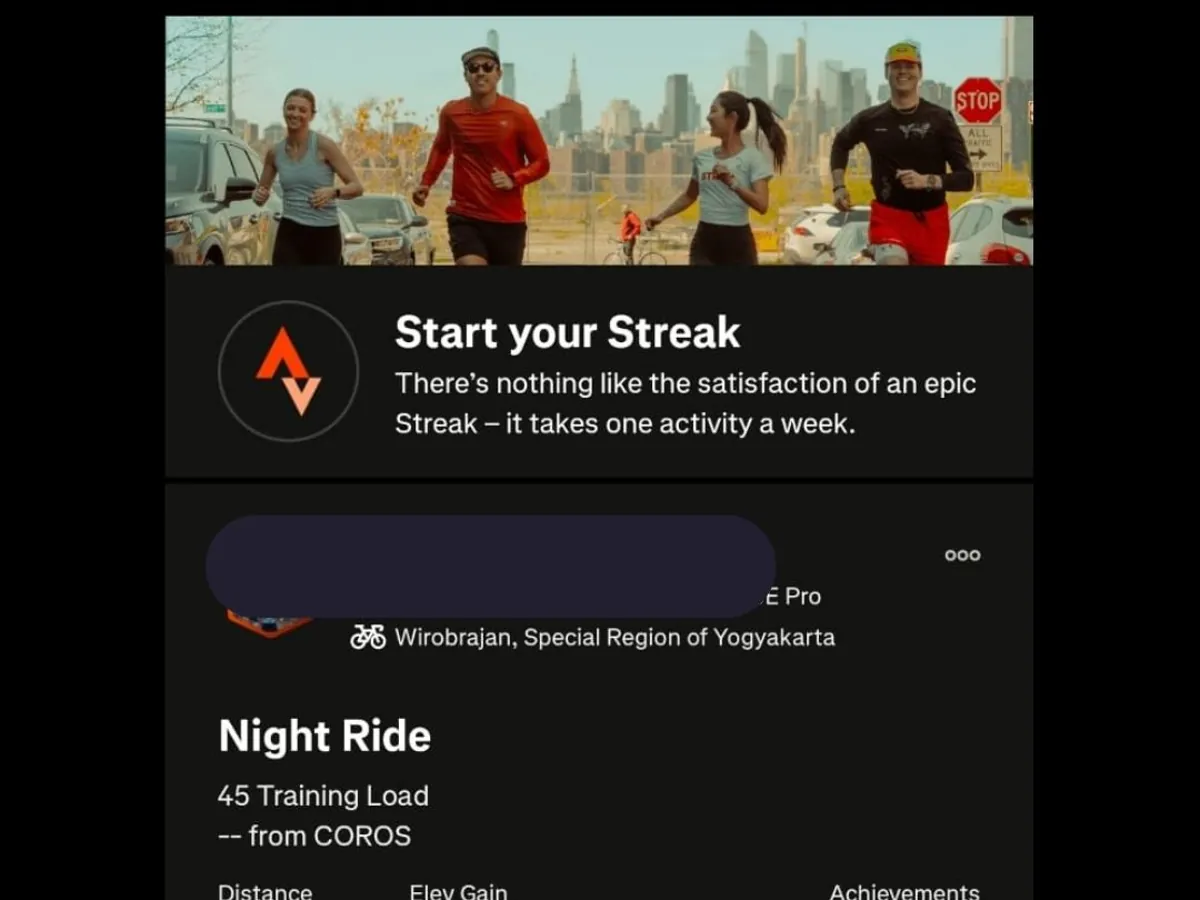
Indonesia's Ministry of Communications and Digital Affairs (Komdigi) has given 25 private digital platforms until today, July 3, to register their services or face access blocking. The group covers 15 foreign and 10 domestic operators running a combined 57 websites and apps.
Strava, the GPS-based fitness tracking app, is the most prominent name on the list. It also includes airlines Qatar Airways, Qantas, and ANA; hotel groups Accor, Best Western, Banyan Tree, WorldHotels, The Ascott Limited, Archipelago International Indonesia, Aryaduta Hotels Group, Hotel Indonesia Group (HIG), and Tauzia Hotel Management; language education platforms Kodland, Stimuler, and Engoo; and AYO: Super Sport Community App.
Komdigi sent warning letters to all 25 operators on June 26, 2026, giving them seven days to comply. Teguh Arifiyadi, Komdigi's Director of Electronic Certification and Transaction Supervision, was unambiguous about the obligation. "PSE registration is an important part of efforts to create orderly, safe, and accountable digital governance," he said.
What's at stake for Strava users?
For Strava users, a block would have concrete consequences: personal records, routes, and years of training history are stored on the app's servers and do not automatically sync to users' devices. Anyone who has logged activities ranging from daily training runs to events like Jogja Marathon 2026 would lose data that is difficult to recover once access is cut.
Private Electronic System Operators (PSE Lingkup Privat) are private-sector digital service providers required to register with Komdigi under Ministerial Regulation No. 5 of 2020. The rule applies equally to foreign and domestic operators, with no exceptions based on market scale.
Komdigi has opened a coordination channel for operators with technical difficulties: entities can submit a formal response with an explanation of obstacles and supporting evidence by email. That channel is available, but the deadline does not move. "If by the set deadline a PSE has not met its registration obligations, we will take follow-up action in accordance with applicable regulations, including issuing warning letters and imposing administrative sanctions in the form of access blocking," Teguh said.
A different pattern from the 2022 blocks
This round of enforcement has a different character from the major 2022 episode. Four years ago, Komdigi blocked major platforms including Steam, PayPal, and Yahoo, triggering public backlash large enough to prompt some of them to register and be unblocked. Those platforms served millions of users across segments, so the blocks pressured both users and the government's own image.
The 2026 targets are more specific. From global hotel chains to regional airlines and a niche sports community app, the list covers operators serving defined consumer groups. Blocking niche apps does not shake the digital economy as a whole. The consequences fall directly on specific users: losing years of travel history, hotel booking data, or fitness records.
Komdigi has previously shown it is serious about policing the digital space, including action on 9,263 copyright infringement cases and oversight of illegal sites. If the July 3 deadline passes without enforcement, a pattern of threats without action repeats itself and erodes the credibility of the sanctions mechanism.
What comes next
Several things will serve as concrete indicators in the days ahead: whether blocking is actually carried out or the deadline is extended again, whether any of the 25 operators register at the last minute, and whether Strava provides a data export guide for users before access is cut. Strava has not publicly released its active user numbers in Indonesia, and those figures would clarify the real scale of impact if sanctions are enforced today.
In the same week, Apple reportedly answered Komdigi's summons to verify several of its services, including Safari and Siri. The timing suggests the ministry is tightening PSE oversight systematically, and this list of 25 is likely not the last.



Comments