

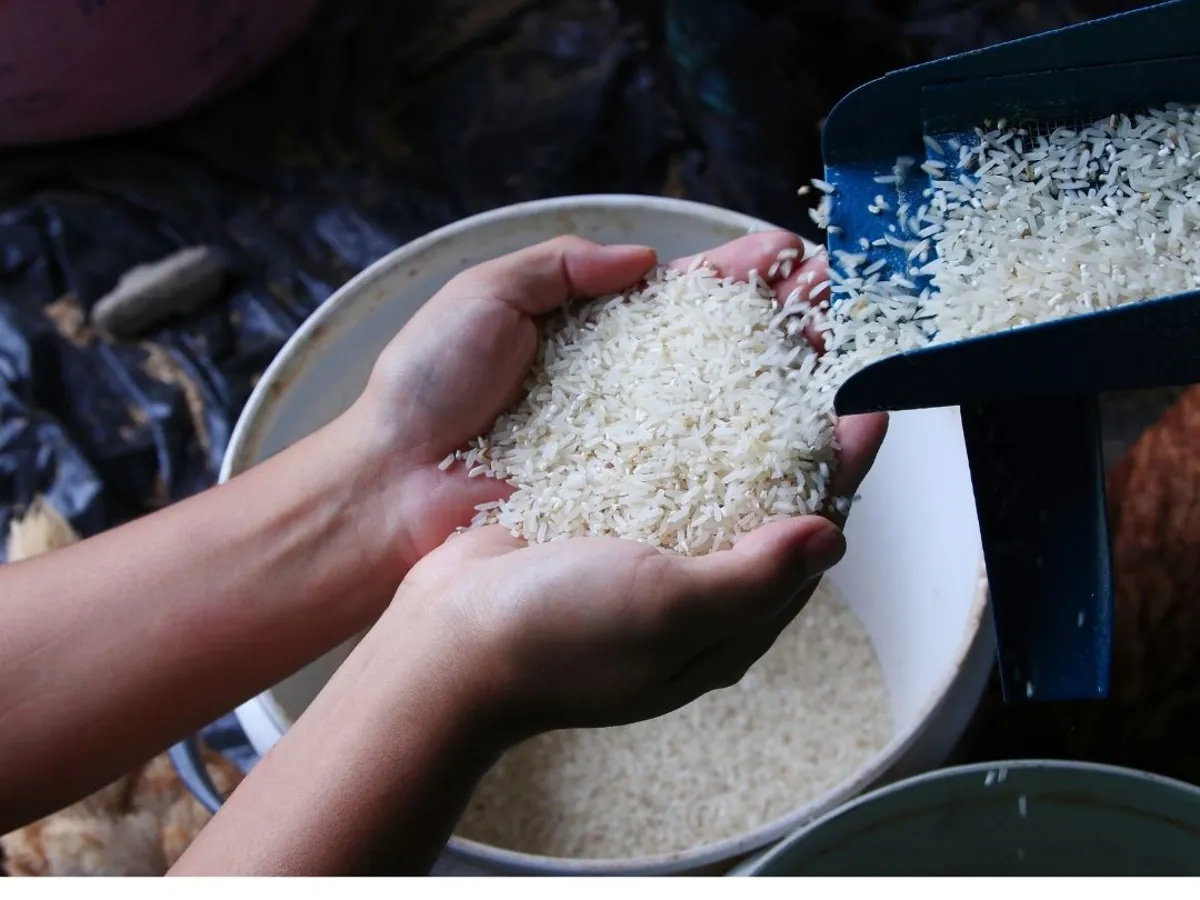
Indonesia's annual inflation rate rose to 3.34 percent in June 2026, up from 3.08 percent in May, according to data the Central Statistics Agency (BPS) released in early July. The consumer price index climbed from 108.27 in June 2025 to 111.89, keeping the reading within the government's 1.5-3.5 percent target band. Rice appeared among the top annual inflation contributors in the BPS release, two weeks after Agriculture Minister Andi Amran Sulaiman declared it was no longer a primary driver.
"In June 2026, inflation was 3.34 percent, reflecting a rise in the consumer price index from 108.27 in June 2025 to 111.89 in June 2026," said Ateng Hartono, BPS deputy for distribution and services statistics.
The food, beverages, and tobacco group recorded annual inflation of 4.67 percent, contributing 1.36 percentage points to the national figure. Households that spend a large share of their budget on basic staples faced greater price pressure than the 3.34 percent headline suggests.
Why did the headline rise when food prices were cooling?
The volatile-prices component actually eased in June: its annual rate fell from 6.24 percent in May to 5.58 percent. The rise from 3.08 to 3.34 percent came from two other channels. Personal care and miscellaneous services, driven by gold jewelry prices, recorded annual inflation of 10.10 percent. Transportation added further pressure at 4.57 percent, with air fares among the contributing commodities. The slowdown in food prices was not enough to offset acceleration in those two categories.
"The volatile-prices component recorded annual inflation of 5.58 percent, contributing 0.66 percentage points to the overall figure," Ateng Hartono said.
Fuel price movements over the same period also shaped the logistics and transport costs that feed into the June figure.
The agriculture minister's claim, and what BPS data show
On June 15, 2026, Minister Amran offered an upbeat view: "We are grateful that rice is no longer the main contributor to inflation." He based the claim on supply figures: Bulog reserves had exceeded 5 million tons, national production of 73 million tons surpassed the roughly 68 million tons of annual demand, and imports were limited to around 3.5 million tons, about 4 percent of needs.
BPS released different data two weeks later. Rice appeared alongside fresh fish, cooking oil, red chili, and broiler chicken in the official list of annual inflation contributors, drawn directly from the agency's early-July release.
Amran was speaking about national availability. Inflation reflects distribution, transport costs, and price gaps between regions. Low-quality rice prices in early July ranged from Rp13,800 to Rp15,150 per kilogram across provinces. That spread explains why Papua Pegunungan recorded the highest inflation at 7.84 percent while Sulawesi Barat logged only 2.29 percent, among 38 provinces that all saw positive inflation.
What the Rp18 trillion rice aid does
In the second-semester 2026 stimulus package worth Rp26.34 trillion, the 10-kilogram monthly rice allowance absorbs roughly Rp18 trillion, about two-thirds of the total. The benefit directly reduces spending for 33.24 million recipient households, but it does not move market rice prices. As long as rice stays on BPS's contributors list, the scheme is a consumption buffer, and its effectiveness depends on the accuracy of recipient data. The House of Representatives (DPR) cited updating that data as a condition for backing the stimulus package.
On the protein side, beef prices trended up since early July: grade-I cuts reached Rp150,250 per kilogram and grade-II cuts reached Rp141,300. Domestic cattle production covers only about 50 percent of national demand, leaving beef prices exposed to exchange-rate shifts and import costs.
Two markers for July-August
The July 2026 inflation release, due in early August, is the next test. The dry-season peak and El Nino are expected to arrive between July and November, with real risk to horticulture and rice supplies. If volatile-price inflation reverses, pressure will come from two directions at once.
Two figures are worth tracking: where rice sits on next month's BPS contributors list, which will determine how long the "no longer a driver" claim holds, and the direction of the BI Rate, currently at 5.75 percent with inflation now at 3.34 percent.


Comments