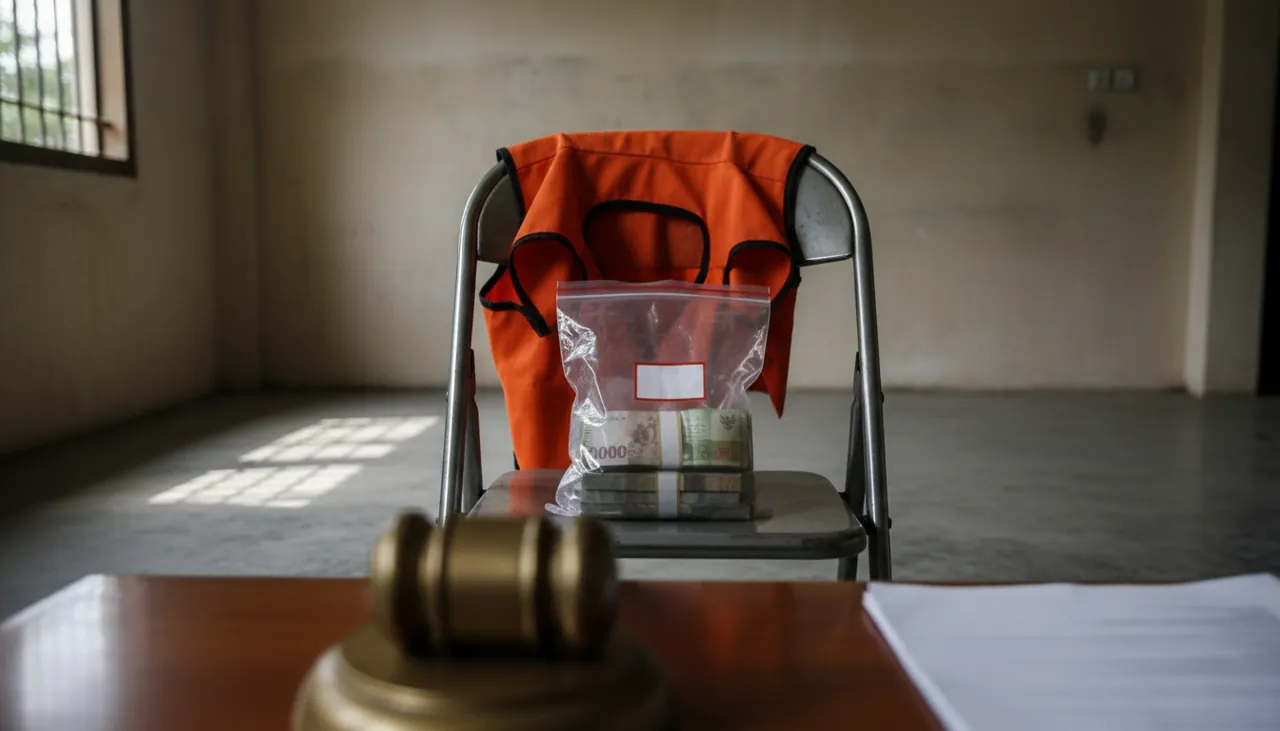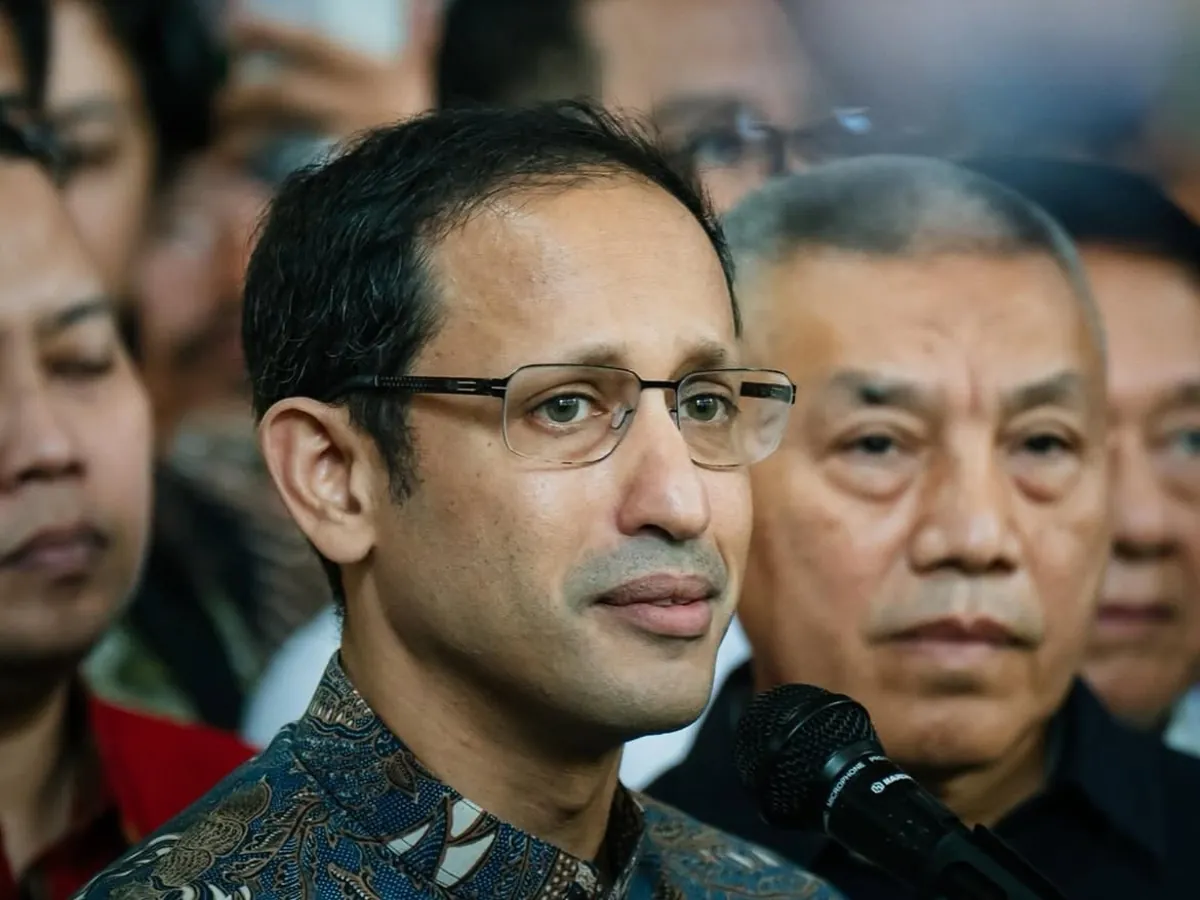

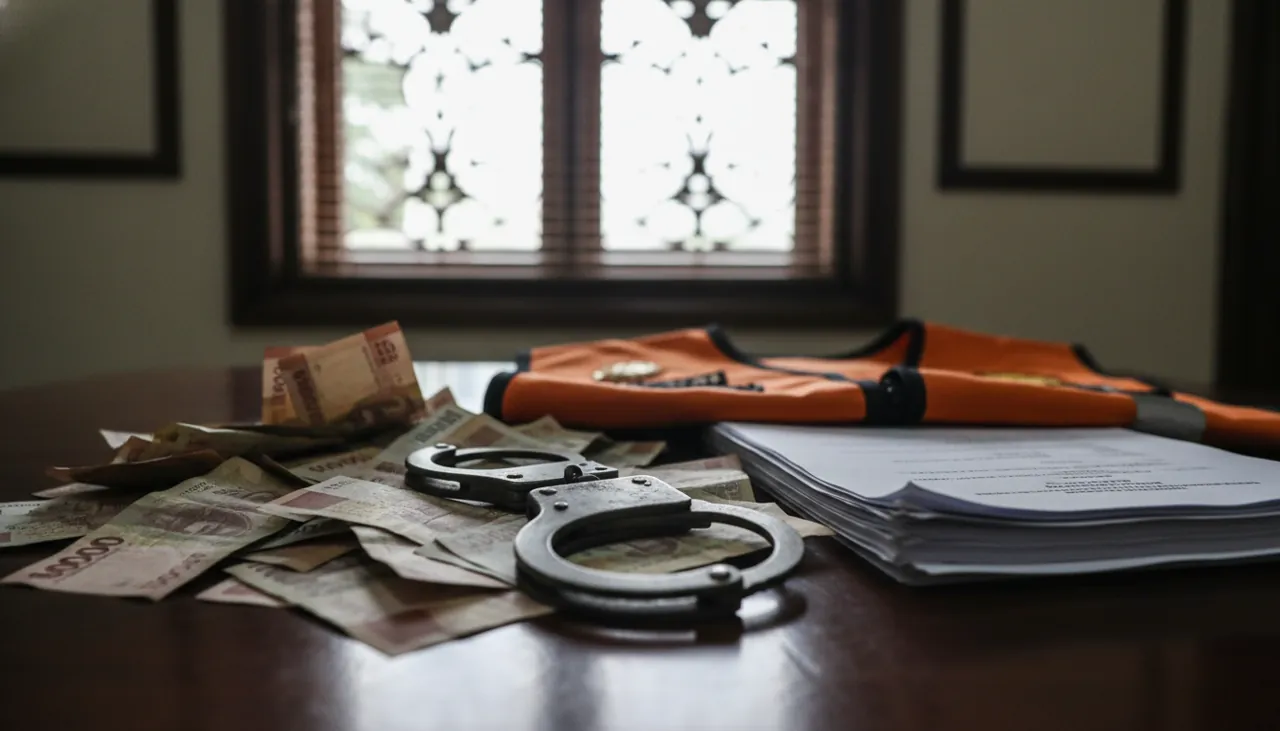
Every step of securing a foreign national's residence permit in Indonesia carried its own under-the-table price, according to the Corruption Eradication Commission (KPK). Extending a permit cost money. Changing its status cost money. Updating a domicile cost money. Even adding a dependent to the file cost money. That layered pattern is what led the KPK to charge Silmy Karim, Deputy Minister of Immigration and Corrections, along with seven others, and to estimate that the scheme collected roughly Rp145.5 billion between 2022 and 2026.
The eight suspects were named on June 4, 2026, a day after Silmy turned himself in to the KPK on June 3, following a sting operation (operasi tangkap tangan, or OTT) earlier in the month. All were detained immediately. Besides Silmy, who previously served as Director General of Immigration, the KPK charged former acting Director General of Immigration Saffar Muhammad Godam; Director of Residence Permits and Immigration Status Jaya Saputra; the head of the West Jakarta Class I Special Non-TPI Immigration Office, Ronald Arman Abdullah; two subdirectorate heads, Tessar Bayu Setyaji and Bagus Bramantyo; the head of the ITAS Status Transfer Team, Juniadi Sri Priambudi; and residence-permit subdirectorate staffer Gusti Benardiansyah. The lineup shows the case reaching key officials across a single directorate, from the director's level down to the counter clerks.
The Extortion Machine: Obstruct First, Then Demand Payment
What sets this case apart from an ordinary bribery scandal is how the money was extracted. The KPK described a method that inverts the logic of public service: applications that should have moved smoothly were deliberately slowed or rejected, leaving applicants feeling forced to pay an extra fee to get their documents moving. The obstruction was not accidental red tape but a manufactured commodity. As long as the counter could hold a file, there was a reason to sell "acceleration." This is the machine that kept the levies running for years — not one greedy official, but a system that turned delay into a revenue stream.
KPK Chairman Setyo Budiyanto detailed the points used as collection grounds. "There are several activities. There is renewal, status conversion, updating a domicile, including adding dependents," he said. He also described how the chain of command ran from the top down. "JS then ordered BGS (Bagus Bramantyo) and TBS (Tessar Bayu Setyaji), both subdirectorate heads at the Directorate of Residence Permits and Immigration Status, to collect extra fees, or illegal levies, from the handlers — both the guarantors and the sponsors of these foreign nationals," Setyo said.
That chain is what led some outlets to call it a "spider's web": orders flowed from the director to the subdirectorate heads, then were carried out against the guarantors and sponsors of foreign nationals. The pattern was tiered, not the act of a single rogue clerk at the end of a desk.
Official Fees Versus Hidden Fees
To make sense of this scandal, two sets of numbers must be kept firmly apart, because they are often blurred in public discussion. The first is the official fee, a form of Non-Tax State Revenue (PNBP) for the Limited Stay Permit (ITAS), which rises with duration: Rp500,000 for 30 days, Rp1 million for 60 days, Rp1.5 million for 90 days, Rp2 million for six months, Rp3 million for a year, and Rp5 million for two years. For the Permanent Stay Permit (ITAP), the fee can reach Rp12 million to Rp15 million. Those figures are legal, recorded, and paid into the state treasury.
The second is the illegal levy charged on top of those official rates. According to the KPK, the unofficial "acceleration" fee was set at about Rp1 million to Rp1.5 million per person to process permits that, under the rules, should be completed in three to seven days. KPK spokesperson Budi Prasetyo described that fee range as a levy with no basis whatsoever (his remarks are presented here as a paraphrase, as quoted by the media). In effect, applicants paid twice: once for the state, and again to buy back the speed that was already their right.
At the top of the chain, the KPK estimates that Silmy Karim received about Rp100 million a week, which the KPK chairman said was distributed every Friday. The account of this weekly schedule rests on Setyo Budiyanto's statement and remains to be tested in the investigation phase before any total figure is locked into an indictment.
A Shadow Tax on the Investment Climate
A residence permit is the most basic administrative gateway for any foreigner who wants to work, invest, retire, or settle in Indonesia, including employees of multinational companies, investors, and their families. When that gateway is run through extortion, the unofficial fee acts as a shadow tax on the business climate. It appears in no investment brochure, yet it is felt: it raises the cost of entry, prolongs scheduling uncertainty, and plants doubt about a bureaucracy that claims to be getting faster. For an investor weighing several countries, an unpredictable cost is often more daunting than one that is high but certain.
The burden lands harder because of its timing. The government has lately pushed immigration aggressively as an economic tool, including through the Golden Visa aimed at drawing foreign investors and talent, with a promise of faster and more transparent service. A levy scandal at the heart of the residence-permit system erodes that message just as the rupiah is under pressure and investor sentiment is fragile. The signal reaching the outside world is not "Indonesia is making things easier" but "even the legal door has a fixer." For a program selling certainty and prestige, that image is costly.
The case also undercuts claims of bureaucratic reform. The Directorate General of Immigration has long been promoted as an increasingly digital and streamlined service. The KPK's findings suggest that modernization without control over points of discretion can be hijacked: digitization speeds things up for those who comply, while behind the scenes speed can still be sold by the hands holding the approval button.
Separating This Case From the Deputy Minister Vacancy Debate
One point needs clarifying to avoid a misreading. The scrutiny of Silmy Karim here is distinct from the earlier furor over filling and vacating deputy minister seats in the cabinet. The heart of the matter is the extortion mechanism within the immigration service and its impact on governance and the investment climate, not the politics of staffing posts in the presidential circle. Mixing the two only obscures the core issue: that a public service was allegedly turned into a tiered money machine for years.
Politically, charging a sitting deputy minister lengthens the list of senior officials in this cabinet era who have faced law enforcement, and adds pressure on the government's clean-governance pledge. Silmy was a public figure before entering government, partly for having led several state-owned enterprises (BUMN), before becoming Director General of Immigration and then deputy minister when the Ministry of Immigration and Corrections was created. The KPK says the alleged extortion had been running since his time as Director General of Immigration, placing the period of the alleged crime well before his most recent post.
What Will Shape the Case
Several factors will determine where the case goes. First, the numbers: whether the estimated Rp145.5 billion and the Rp100 million-a-week scheme hold up through the investigation and indictment, complete with details of seized assets as evidence. Second, the scope of suspects, since the sting operation is said to have caught more people than the eight already named, meaning the map of the case could widen. Third, the response of the Ministry of Immigration and Corrections: whether there is an audit of service counters, an internal cleanup, and what happens to other officials whose names appear in the files.
At the end of the chain, the biggest test is structural. As long as "obstruct, then demand a fee" remains possible, replacing personnel will not kill the machine. What can disable the practice is removing the room to hold files at all — through fully digital payment, an open record of the process, and a complaint channel that applicants trust. Without that, reform will stop at appearances, while the entry point for foreigners still hides a fee recorded nowhere.