
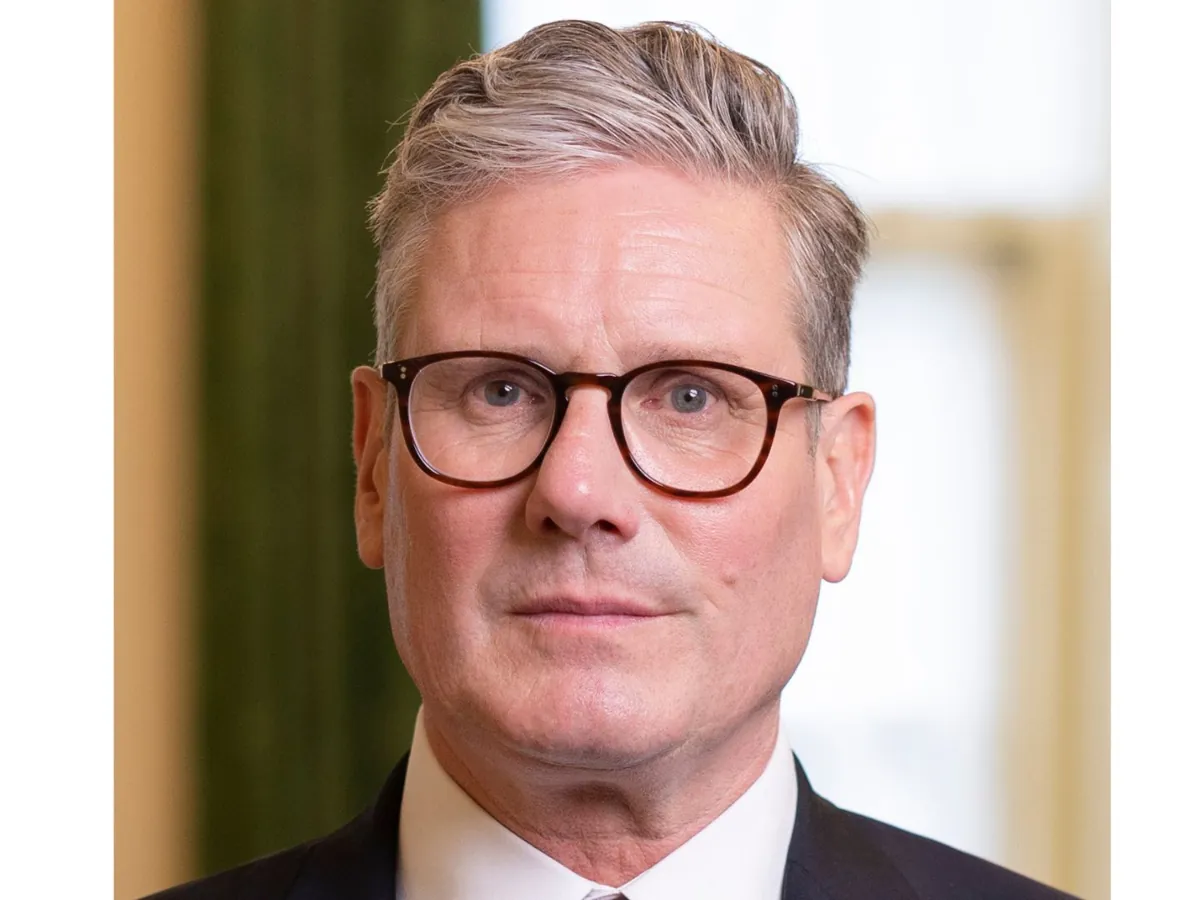
Prime Minister Keir Starmer is expected to announce his resignation on Monday, June 22, 2026, and has begun arranging his exit from Downing Street, according to weekend reporting by The Observer that circulated widely in international media. Government sources maintain that Starmer remains "focused on his work," though his Friday pledge to defend his leadership against any challenge now appears to have been made hours before defeat.
The trigger arrived four days earlier. On June 18, Andy Burnham, the former Mayor of Greater Manchester, won a parliamentary by-election in Makerfield with 54.8 percent of the vote (24,927 ballots), defeating the Reform UK candidate and returning to Westminster. With a seat in the House of Commons, Burnham now meets the formal requirement to mount an internal challenge to Starmer.
Why did Starmer's position collapse so quickly?
Starmer led Labour to a decisive victory in the 2024 general election, ending 14 years of Conservative rule. Electoral success, however, does not automatically translate to parliamentary power; a series of scandals and policy reversals has eroded both public trust and the confidence of his own MPs.
The collapse can be traced through a sequence of departures. Anas Sarwar, leader of Scottish Labour, became the first senior politician to call for Starmer's resignation on February 9, 2026. Three months later, on May 14, Health Secretary Wes Streeting resigned from the cabinet, writing that staying would be "dishonorable and unprincipled." On June 11, Defence Secretary John Healey, Armed Forces Minister Al Carns, and Parliamentary Private Secretary Pamela Nash stepped down almost simultaneously. Each departure removed a layer of remaining support.
Burnham's victory in Makerfield a week later completed the picture. Without a parliamentary seat, he had been a potential but procedurally blocked challenger. That barrier has now fallen.
What does Burnham offer—and why are some skeptical?
His supporters describe him as Labour's only senior figure with positive favorability ratings amid widespread decline. Burnham promises change from austerity-focused approaches, offering concrete interventions: capping utility bills, lowering rail fares, and guaranteeing employment for 16- to 18-year-olds. The Guardian reported that roughly 200 Labour MPs are ready to support his candidacy.
But Labour's left wing is not quiet. Jeremy Corbyn, the MP for Islington North and former Labour leader, has questioned the economic direction, which he views as too accommodating of imposed austerity: "The underlying economic strategy and vision... I think accepts too much of the austerity that has been forced upon us." Zack Polanski, leader of the Green Party, warned that a change of leadership would simply produce more of the same.
The position illustrates the challenge facing any successor to Starmer: winning an internal contest is one matter; convincing the entire party to move in one direction is another. Besides Burnham, potential candidates in circulation include Angela Rayner, David Lammy, Ed Miliband, and Shabana Mahmood.
Impact on Indonesia and global markets
Britain is a G7 member and one of five permanent members of the UN Security Council—a major trading and investment partner for Indonesia. A mid-term leadership change adds uncertainty to London's policy direction, including its stance on Middle Eastern geopolitics and support for Ukraine.
The nearest indicator to watch: the movement of sterling and UK government bond yields when London markets open Monday. Volatility in European markets tends to flow through global capital flows, including to emerging markets—and energy prices already pressured by tensions in the Strait of Hormuz could face additional swings if European geopolitical risk increases.
On Monday, the public will learn whether Starmer actually announces his resignation and opens a formal Labour leadership contest, or chooses to resist and forces the party to pursue a longer process.