

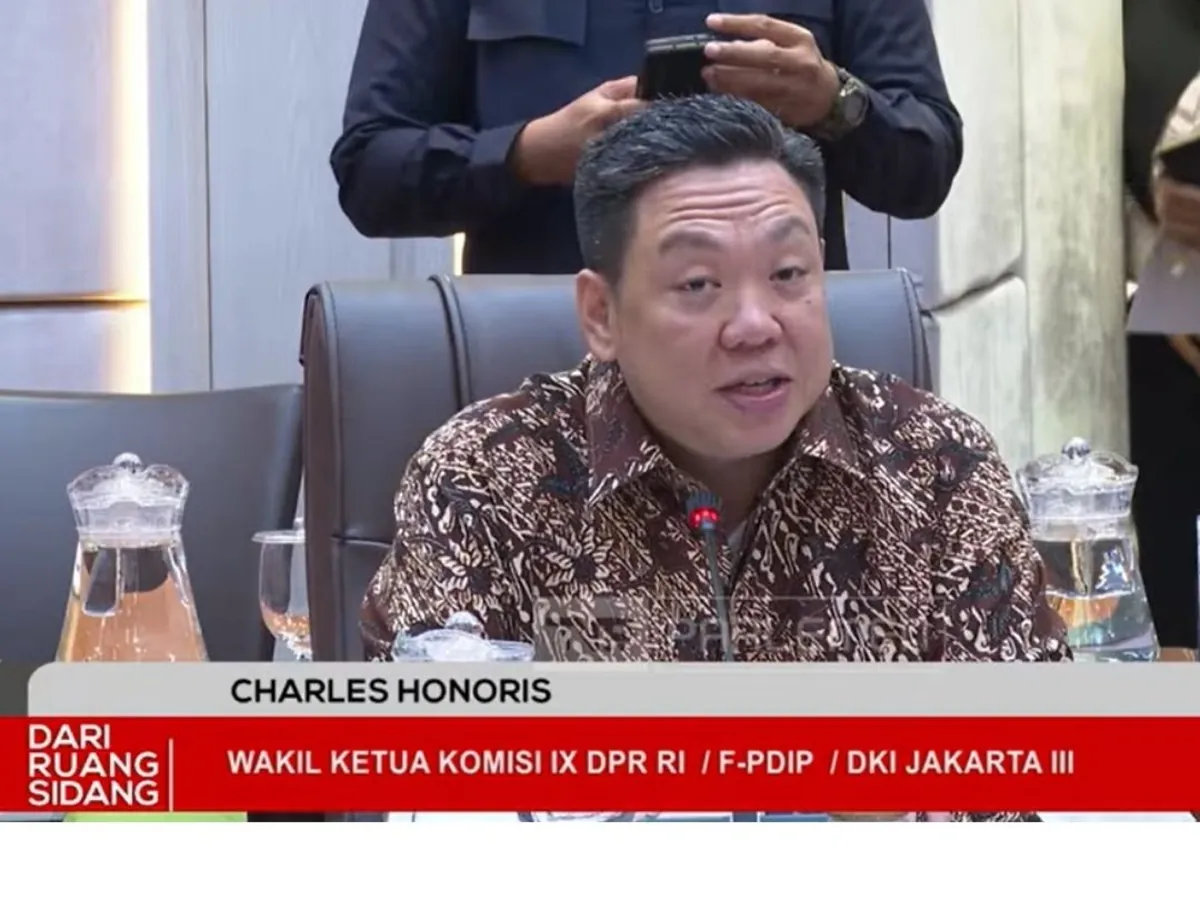
Kalasuara - Indonesia's House of Representatives Commission IX is considering setting up a working group to review governance of the Free Nutritious Meal Program (MBG), President Prabowo's flagship initiative that feeds students and vulnerable groups nationwide. The proposal came shortly after commission members heard from the MBG Watch civil society coalition at the House complex in Senayan on Thursday, July 16, 2026. Deputy Commission IX Chairman Charles Honoris called the working group proposal "very good input" and said he would raise it in the commission's internal meeting.
What made the hearing unusual was the substance of the demands. Lawmakers want a new oversight mechanism. MBG Watch, represented by Agus of Transparency International Indonesia, asked for something more drastic: a temporary halt to the program so a full evaluation can take place. "Our judgment today is that the program needs a total evaluation. And to get to that total evaluation, this free nutritious meal project should be suspended," he told the hearing.
On the other side of the table, Commission IX member Ashabul Kahfi floated a more technical fix: cut school distribution from seven days a week to three, while raising the value of each portion from 10,000 rupiah to 20,000 rupiah. "Does this meal really need to be served every day, at 10,000 rupiah a portion? Or should we raise it to 20,000 rupiah but only three days a week? Students might respond better to that," he said, citing reports of large amounts of food going to waste because students were not eating it.
Why does Celios say the 82 million recipient target is too high?
Data from the Center of Economic and Law Studies (Celios), cited during the hearing, put the real need for MBG beneficiaries at around 26 million people, about a third of the 82 million currently targeted. That gap of nearly 56 million people underpins the argument that the program has drifted from its original focus on malnourished and underserved groups toward covering almost the entire national student population without strict screening.
That figure is why Ashabul Kahfi's three-day proposal and MBG Watch's suspension demand both point to the same underlying problem: a footprint too broad to keep quality and oversight in check on the ground.
Who runs the SPPG kitchens?
MBG Watch coordinator Media Wahyudi Askar said the coalition had proposed from the outset that Nutrition Fulfillment Service Units, known as SPPG, be run by schools and local communities. "From before MBG even started, we said the SPPG should be managed by schools and communities," he said. In practice, MBG Watch's findings show the five foundations running the most SPPG units are the National Police, Muhammadiyah and the military, not the educational or community institutions the coalition had proposed.
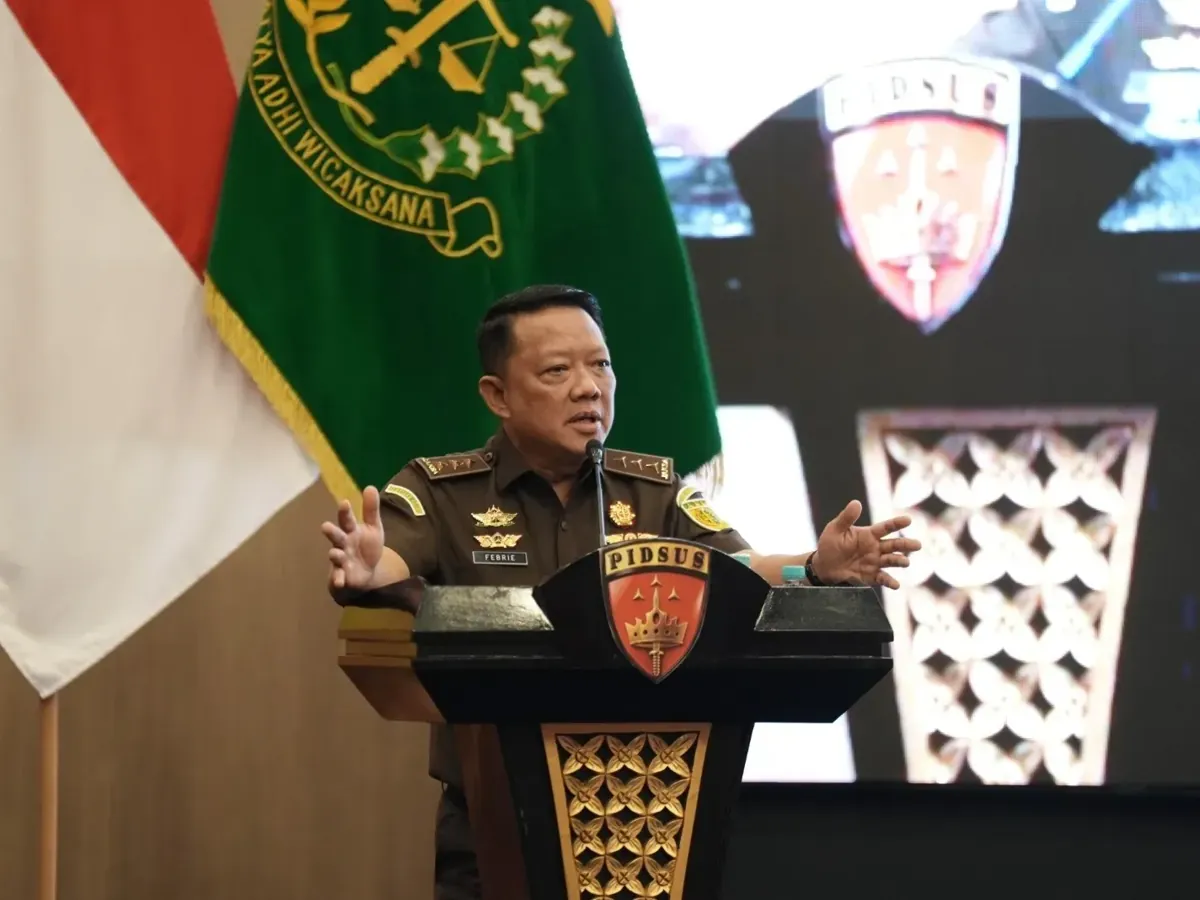
MBG Watch also flagged that the National Nutrition Agency (BGN) has yet to submit a National Action Plan for Corruption Prevention, despite having met with the Corruption Eradication Commission (KPK) to discuss anti-corruption cooperation. The criticism adds pressure on BGN, which was already reeling from the Attorney General's Office detaining former BGN chief Dadan Hindayana over alleged corruption involving markups and rigged tenders, as well as a wave of mass food poisoning cases across the country.
What would the working group produce?
Honoris said the working group, if formed, would allow lawmakers to discuss MBG governance in a way "far more specific and comprehensive" than the routine working meetings held with BGN so far. "We hope that with this working group, we can discuss this in much greater depth, and produce not just recommendations for the government but a roadmap for how this program should run," he said.
BGN's new leadership had already overhauled the program's targeting, imposing a moratorium on opening new kitchens and removing elite schools from the recipient list, without publicly announcing whether the 82.9 million recipient target would also change. The working group proposed by Commission IX could push that process into more formal legislative oversight, while facing far sharper demands from civil society groups.
What to watch
Commission IX's internal meeting will decide whether the working group is actually formed, who sits on it, and how long it has to work. Also worth following: whether Celios's 26 million figure makes it onto the agenda, how BGN responds to MBG Watch's call for a suspension, and whether Ashabul Kahfi's three-day distribution proposal gains broader support within the commission or from BGN itself.

Comments