

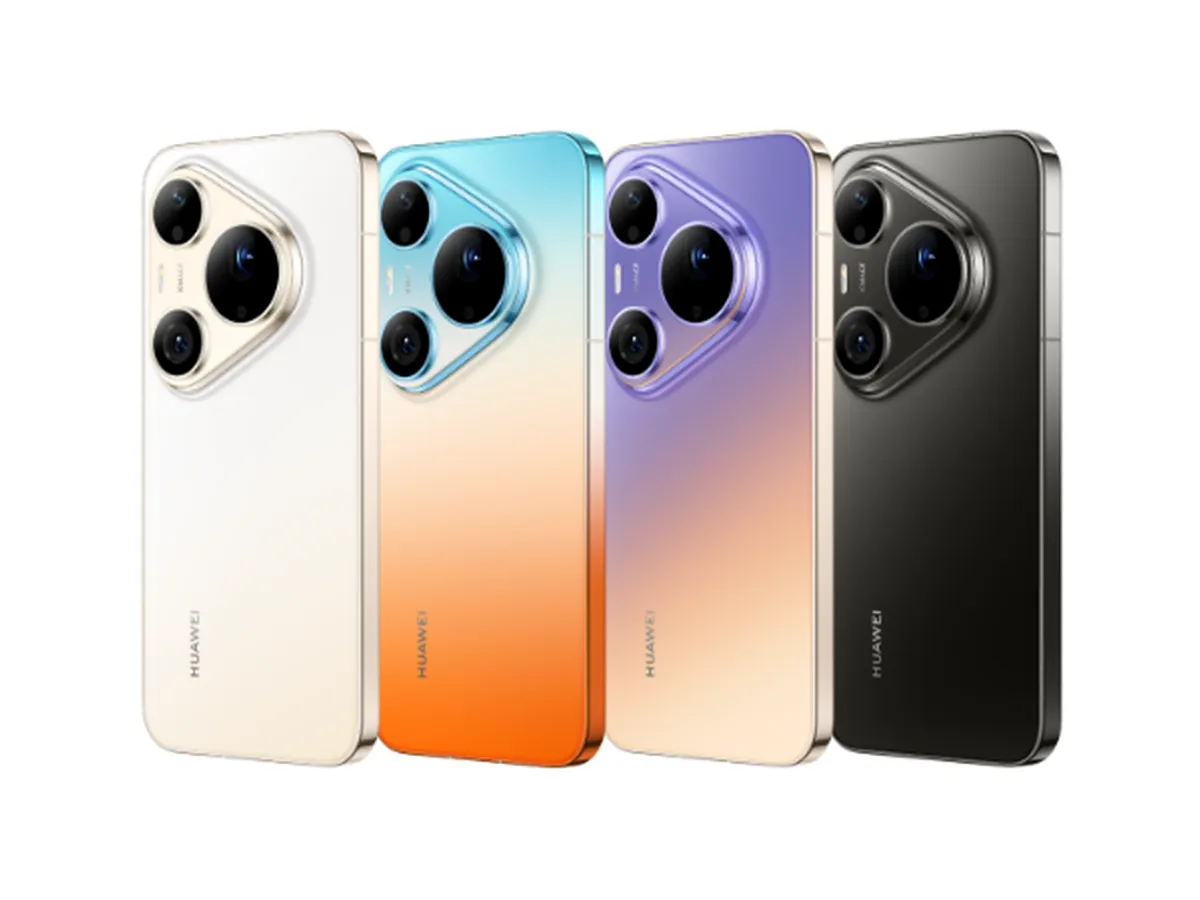
Huawei officially unveiled the global versions of its two newest flagship phones, the Pura 90s Pro and Pura 90s Pro Max, on July 14, 2026, about three months after both phones first went on sale in China as the Pura 90 Pro and Pura 90 Pro Max. Global sales begin August 1, 2026: the Pura 90s Pro starts at €899 for the 12GB/256GB model and rises to €1,049 for 12GB/512GB, while the Pura 90s Pro Max is priced from €1,149 to €1,299 for the top storage tier, according to PhoneArena.
The camera is where both phones make their case. Each carries a 50MP 1/1.28-inch main sensor with a physical variable aperture controlled by a blade, ranging from F1.4 to F4.0. The aperture opens fully in low light and closes for sharper results in good light, or can be set manually in Pro mode. The real differences come down to two points: the Pura 90s Pro Max's main sensor adds LOFIC technology for a wider dynamic range, a feature the standard Pro lacks, and the Pro Max carries a 200MP telephoto camera versus the Pro's 50MP telephoto. Both phones keep Huawei's signature RYYB (red-yellow-yellow-blue) color filter array for extra light sensitivity, instead of the RGGB or RGBW arrays most competitors use.
A global unit review from YouTube channel ben's gadget reviews carried a pointed headline: "A Rare Misfire." The channel noted that the Pura 90s Pro Max's flat 6.9-inch OLED display, which runs at 120Hz, has no in-display fingerprint sensor, an odd omission for a phone at this price. "The Huawei Pura 90S Pro Max is the global version of the Huawei Pura 90 Pro Max, and it is powerhouse phone with some questionable decisions," the channel wrote. It also pointed out: "The Pura 90S Pro Max features a 6.9-inch flat OLED display with 120Hz refresh rate, but there is no in-display fingerprint reader scanner."
Why is Google's absence a concrete problem in Indonesia?
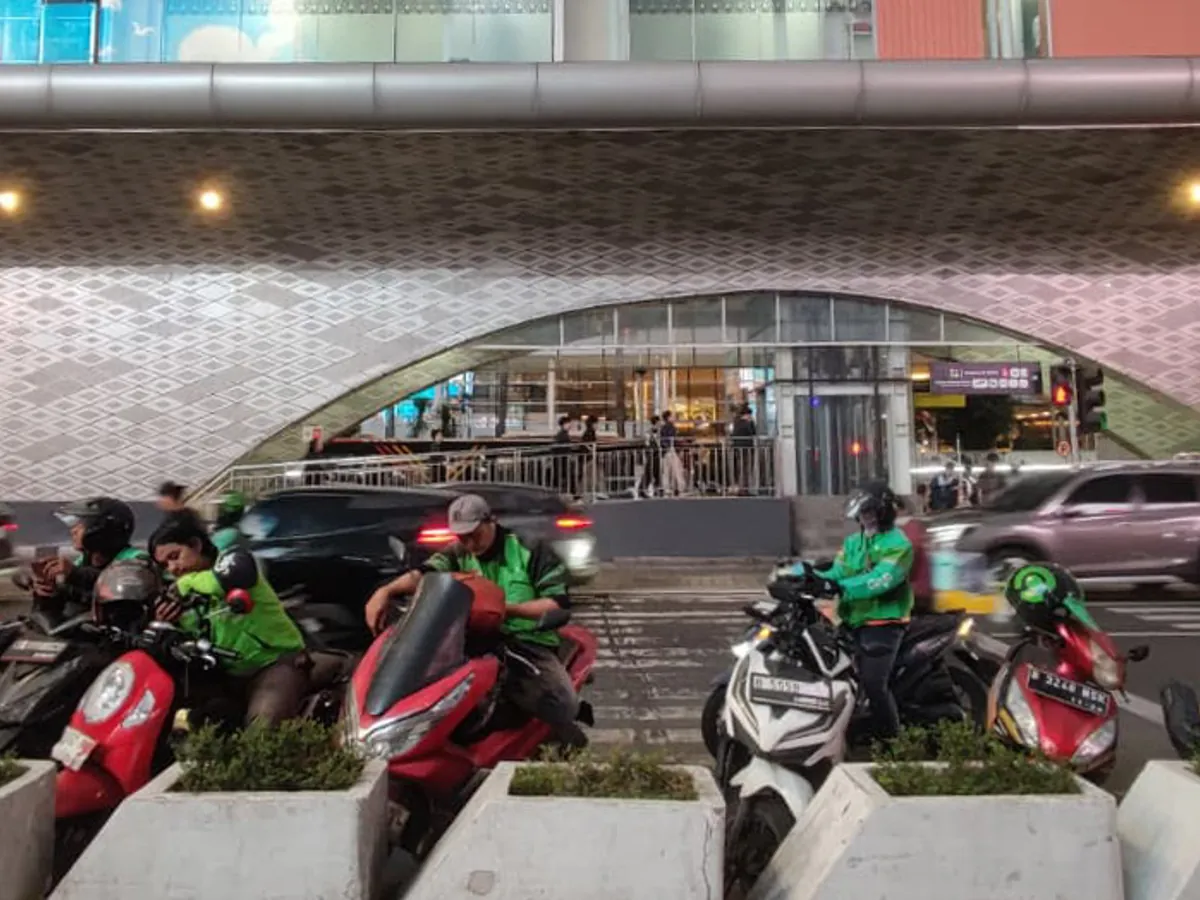
Play Integrity API is Google's verification system that checks a device's and its software's authenticity before certain apps allow transactions to proceed. Because the Pura 90s Pro and Pro Max don't carry Google Mobile Services (GMS), both phones risk failing this check, and in Indonesia that touches everyday apps: digital banking and ride-hailing services such as GoPay, Gojek, and Grab often require Play Integrity API to unlock their full features. No amount of camera hardware changes that calculation, since the problem sits in the software and certification layer, not the hardware.
The GMS gap traces back to 2019, when the US Department of Commerce placed Huawei on its entity list and cut off the company's official access to the Play Store, Gmail, and other Google services. Huawei responded by building its own AppGallery and Petal Search, but the consequences in markets like Indonesia have held since the P40 series in 2020: Huawei's high-end flagships have generally not entered official, warrantied distribution channels here since then, while the mid-range Nova line still sells through official stores. The Pura 90s Pro Max continues that six-year pattern rather than breaking it.
Huawei's official materials, as cited by PhoneArena, list prices only in euros for the European market, with no availability details for Southeast Asia. That means if the phone reaches Indonesian buyers at all, it will most likely still come through personal imports, without an official warranty and with the same app compatibility risks as earlier generations.
It remains unclear whether Huawei will announce a different move for Southeast Asia ahead of the August 1 sale date, and how the physical aperture, the LOFIC-equipped RYYB main sensor, and the 200MP telephoto camera hold up beyond marketing claims once more global units reach independent reviewers.

Comments