

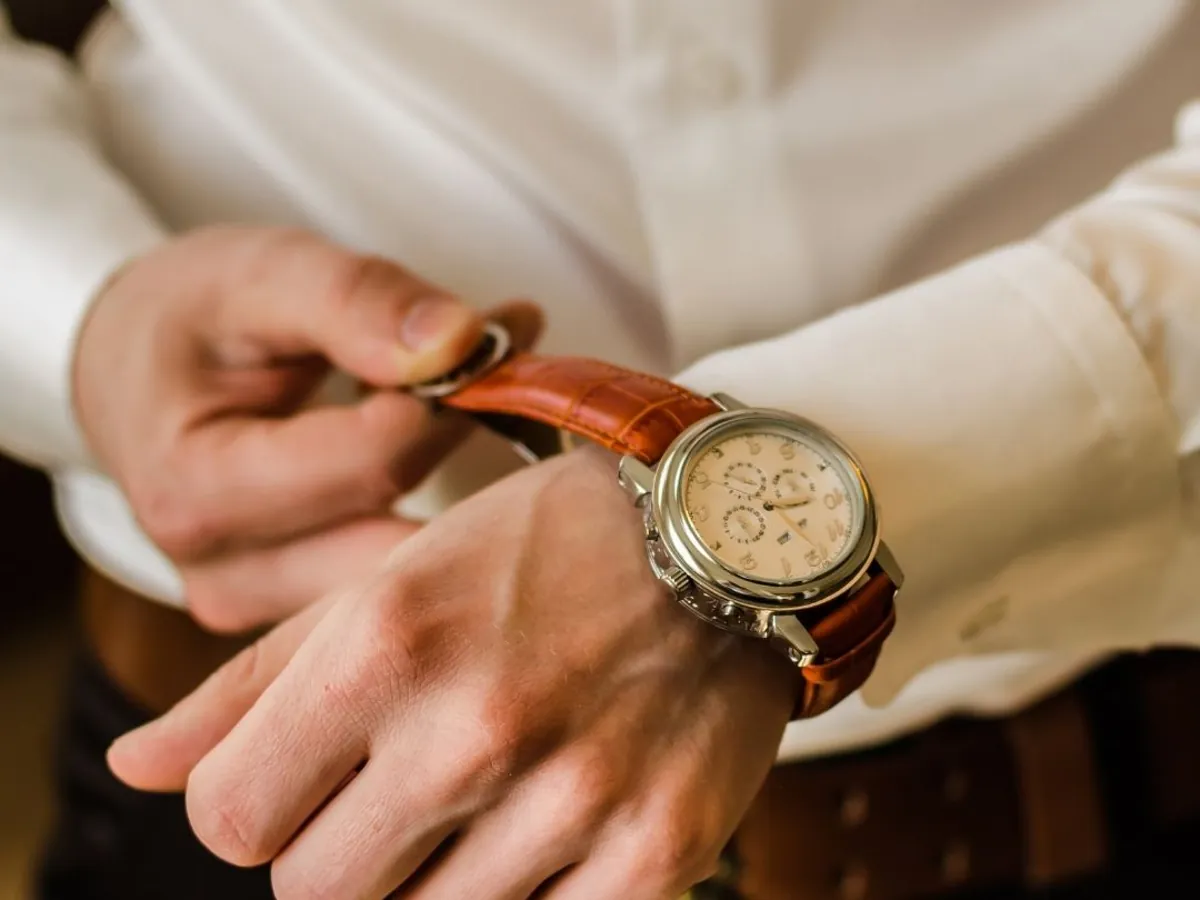
A leather watch strap that turns stiff when you bend it, followed by a thin crack near the buckle holes, usually isn't just wear and tear. Watch repair shops point to a familiar mix of causes: daily sweat, dust and bad drying habits, including soaking the strap during cleaning or drying it with a hair dryer or direct sunlight. School holidays and the hot weather running through July 2026 are speeding up sweat buildup on leather straps, which makes proper cleaning more important than usual right now.
Several watchmakers, including Original Grain, recommend cleaning leather straps with a damp cloth and mild soap, then letting them air dry before wearing the watch again. Local watch shops and repair services such as IDWX, Wisetime and Watchestrader.id agree with that approach, adding their own details on which soaps are safe, how long to let straps dry, and how often to clean them.
This is exactly where many owners go wrong. Too much water and harsh soap speed up the damage they're trying to prevent: leather that gets wet too often loses its natural oils, dries out, and cracks, the opposite of what cleaning is supposed to achieve.
Why do leather watch straps crack?
Genuine leather is an organic material that holds natural oils to stay flexible. Acidic sweat, dust and daily friction wear away at that protective layer bit by bit. Once the oil content drops, the leather fibers stiffen and split every time the strap bends, right at the fold near the buckle holes.
That's why regular cleaning and conditioning work as a pair. Cleaning removes the grime that speeds up drying, while conditioner replaces the oil that's already been lost.
Safe steps to clean it
IDWX and Watchestrader.id both stress removing the strap from the watch first, using a watch-specific screwdriver, before water touches it. Watchestrader.id calls this a mandatory step, detaching the leather strap from the main body of the watch to keep water from seeping into the movement and causing rust.
Once the strap is off, wipe away dust and grit with a dry microfiber cloth first. This keeps coarse particles from scratching the leather once you start cleaning with a damp cloth. Then wring the cloth until it's damp, not soaked, add a very small amount of liquid baby soap or dish soap, one or two drops, and wipe in the direction of the leather's grain.
Never soak a leather strap. Every source cited agrees that soaking is the main cause of staining, discoloration and eventual cracking, since it washes the leather's natural oils away with the water. After cleaning, let the strap dry in a cool, shaded room. A hair dryer or direct sunlight damages the fiber structure and speeds up color fading.
How often should you clean a leather strap?
IDWX recommends cleaning every two to four weeks for daily wear in hot, dusty conditions, stretching to as long as two months if the strap rarely gets dirty. The less often a strap gets wet, the lower the risk of losing its natural oils.
Conditioner should be applied less often than cleaning, depending on how much the watch is worn and how humid the environment is. Apply a thin layer once the strap is fully dry from cleaning, not in place of it. Watch shops cite this step, more than cleaning itself, as the main defense against long-term cracking.
Odor needs separate treatment
Don't spray perfume directly onto a smelly strap. A safer method is wiping a diluted white vinegar solution thinly on the inside of the strap, then letting it dry before wearing the watch again.
Watch for a few warning signs: leather that feels stiff when bent, hairline cracks near the buckle holes, and uneven color fading. Once these appear, conditioner alone usually isn't enough, and replacing the strap becomes the next step. Watch repair shops suggest owning more than one leather strap to rotate between wears, so each one gets a full chance to dry out.



Comments