
Some Indonesian pilgrims arriving home this week discovered their suitcases never left Saudi Arabia, despite the kingdom's "Hajj without Baggage" service. The Ministry of Hajj and Umrah acknowledged uncollected baggage as of Monday, June 7, 2026—a gap between promise and reality affecting thousands of families.
The Unmet 24-Hour Promise
For the 2026 hajj season, Saudi Arabia, alongside Matarat Holding, the Saudi Ministry of Hajj, and digital platforms Nusuk and HalaBag, launched "Hajj without Baggage" with ambitious scope: up to 400,000 pilgrims from 145 countries. The premise was straightforward: pilgrims travel light. Luggage collected from home countries is delivered to hotel rooms in Mecca or Medina within 24 hours and returned at departure. Pilgrims focus on prayer while logistics operate behind the scenes.
The first wave of Indonesian pilgrims departing King Abdulaziz International Airport in Jeddah exposed the gap. Suitcases did not board with their owners. The distance between promise and reality is now the pressing question for thousands of families.
Notably, the Ministry of Hajj has not publicly clarified the root cause. Are the missing suitcases from pilgrims enrolled in the "Hajj without Baggage" scheme—supposed to be handled by Saudi's unified system—or from regular passengers whose luggage was left behind due to cargo capacity limits? The distinction matters. If the former, a newly launched system with grand claims has failed. If the latter, it is a recurring annual problem now happening alongside a service meant to prevent it.
Managing the Exodus
The scale of Indonesia's 2026 hajj return is no small undertaking. As of Monday morning, June 7, 95 flight groups had departed Jeddah, carrying 37,078 pilgrims and 381 officials. Of these, 87 groups had already landed in Indonesia with 34,140 pilgrims and 348 officials; a separate 11,305 special hajj pilgrims had also returned.
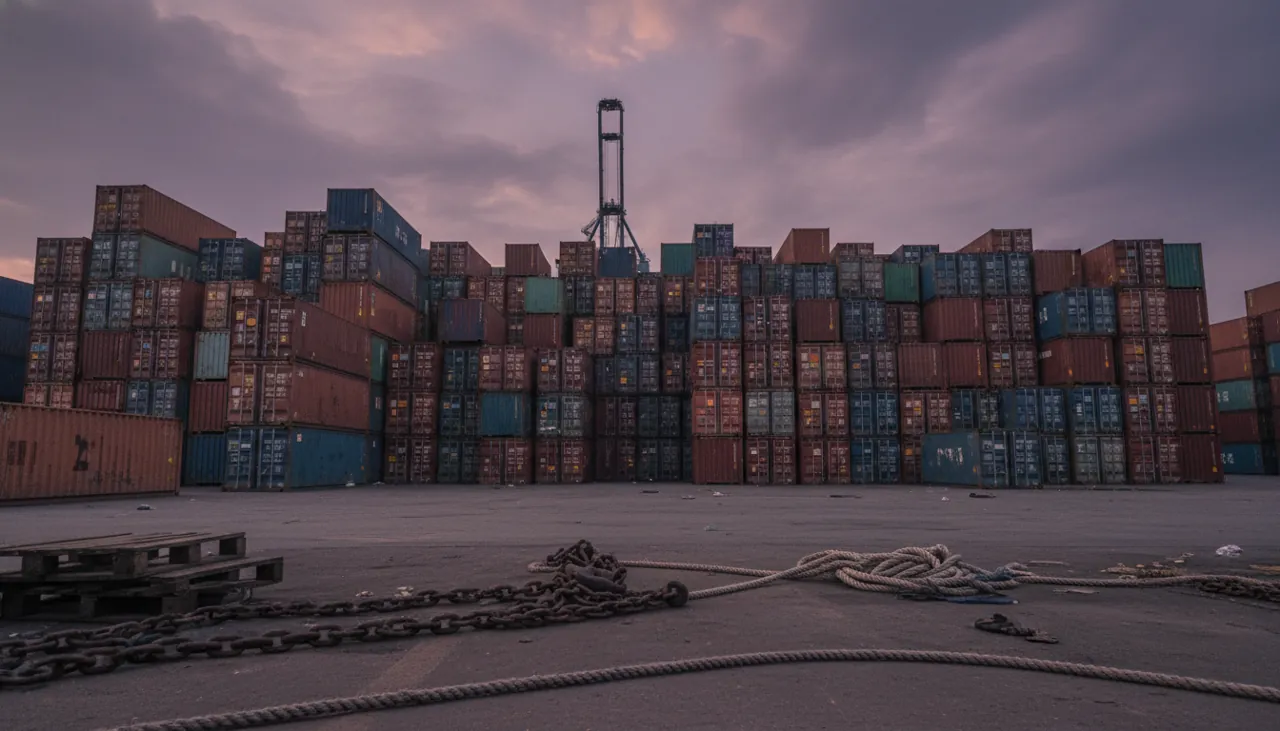
Return flights split into two phases: the first wave departs Jeddah, while the second moves from Mecca to Medina starting June 7 before heading to Indonesia. Behind these numbers lies an enormous coordination challenge: thousands of suitcases must be synchronized with hundreds of flight schedules in a narrow window, across an airport simultaneously processing hajj flows from dozens of nations. Cargo capacity becomes the annual bottleneck at departure—a pressure point that no single technology has yet resolved.
Swift Coordination, Public Apology
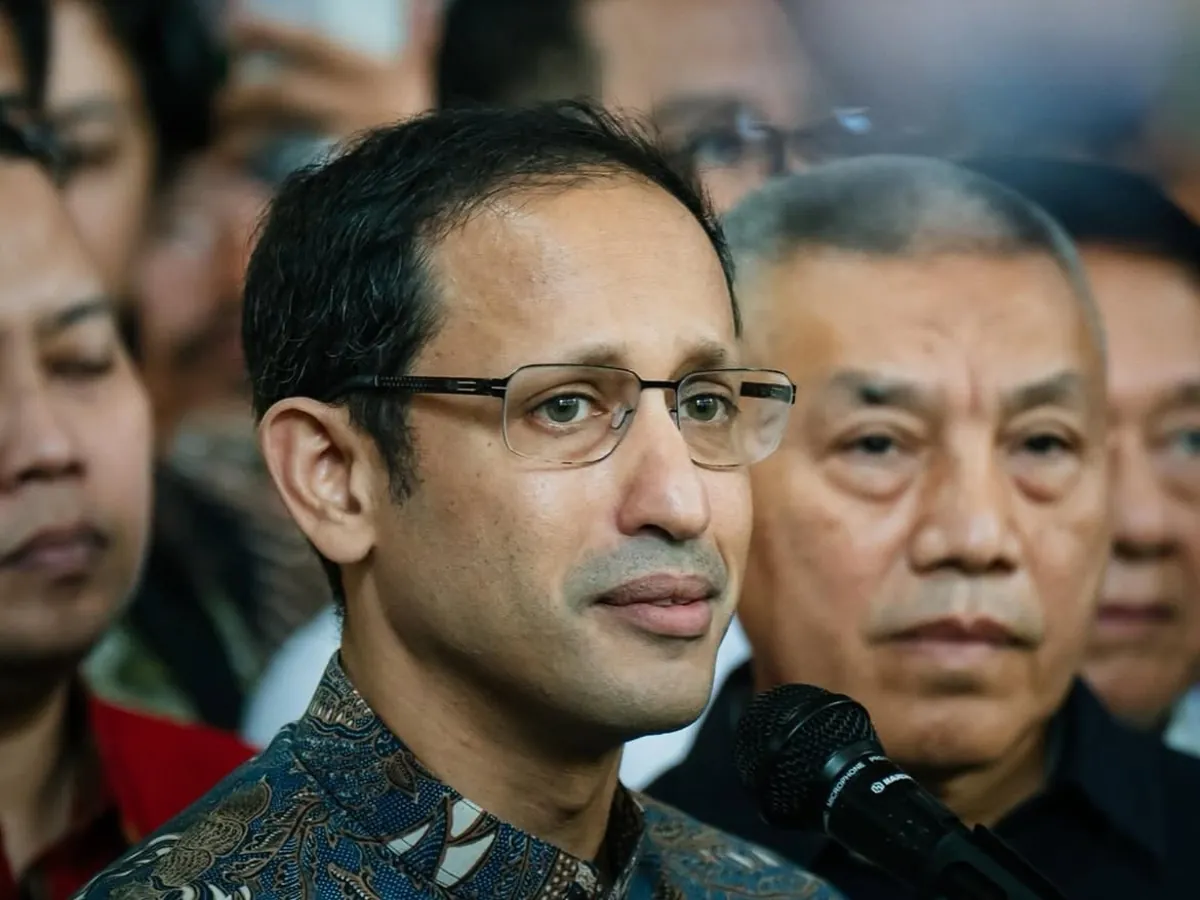
Maria Assegaff, the Ministry's spokesperson, said the ministry recognized uncollected baggage and mobilized a response. "We are still receiving reports of several pilgrim bags that have not departed with their original flights," she said. She stated that coordination began immediately upon receiving reports. "Since receiving these reports, the Indonesian hajj mission office (PPIH) in Saudi Arabia has been coordinating intensively with Saudi Airlines and airport operations to accelerate delivery of the uncollected baggage," she added.
Minister of Hajj and Umrah Mochamad Irfan Yusuf had already offered an apology preemptively. When departing pilgrims on June 1, Irfan said: "On behalf of the Ministry of Hajj and Umrah, we apologize if the service process encounters obstacles or shortcomings."
The advance apology reads as anticipatory. The government already knew that moving hundreds of thousands of people would not run flawlessly. The question now is how quickly the gap closes: whether suitcases actually reach families across Indonesia, through what mechanism, and—critically—who bears the cost of onward delivery if needed. The Ministry has not disclosed the precise number of retained suitcases or how many pilgrims are affected as of June 7.
Luggage Is More Than Cargo
For pilgrims who have traveled for weeks, a hajj suitcase rarely contains the ordinary. It holds gifts bought far in advance, personal medicines, carefully guarded containers of Zamzam water, religious keepsakes from the Holy Land. When a suitcase doesn't arrive, the impact is not mere inconvenience but anxiety rippling through families waiting at airports and villages.
Indonesia supplies the world's largest hajj contingent. A logistics failure—however small a percentage of total return traffic—can affect tens of thousands of people concretely. An elderly woman arriving home without her suitcase, waiting for word from Jeddah, represents the human reality the flight manifests and statistics obscure.
Annually, the Ministry issues standard guidance: pack light, follow packing rules, respect baggage weight limits. That repetitive reminder itself shows that cargo capacity is a recurring pressure the ministry has never truly solved, despite new technologies promised each season.
Testing a New Ministry
The 2026 hajj season is the first fully run by the Ministry of Hajj and Umrah as an independent entity, created when the Prabowo administration split it from the Ministry of Religion. The logic was focus: hajj and umrah, strategically significant for both faith and diplomacy, deserved their own ministry so they would not be overshadowed by competing agendas.
Return operations are an early test. The baseline is that pilgrims arrive safely—achieved. The next test is whether the entire experience, including baggage handling, proceeds without preventable friction. Here the luggage incident places the Ministry in a position demanding data-driven answers, not just assurances of coordination.
Saudi Arabia also bears scrutiny. "Hajj without Baggage" is central to a major modernization push under Vision 2030, meant to attract more pilgrims and manage human flows more efficiently. If investigation shows uncollected luggage stems from this system's failures, the reputation of the newly global Nusuk and HalaBag platforms will take collateral damage.
Return operations are projected to conclude by end of June 2026. The Ministry's assessment of this season—including logistics—will shape 2027 planning, whose cycle must begin soon. How candidly that assessment is conducted, and whether the gap between new-system failure and old structural weakness is genuinely analyzed, will determine whether next season repeats this story.