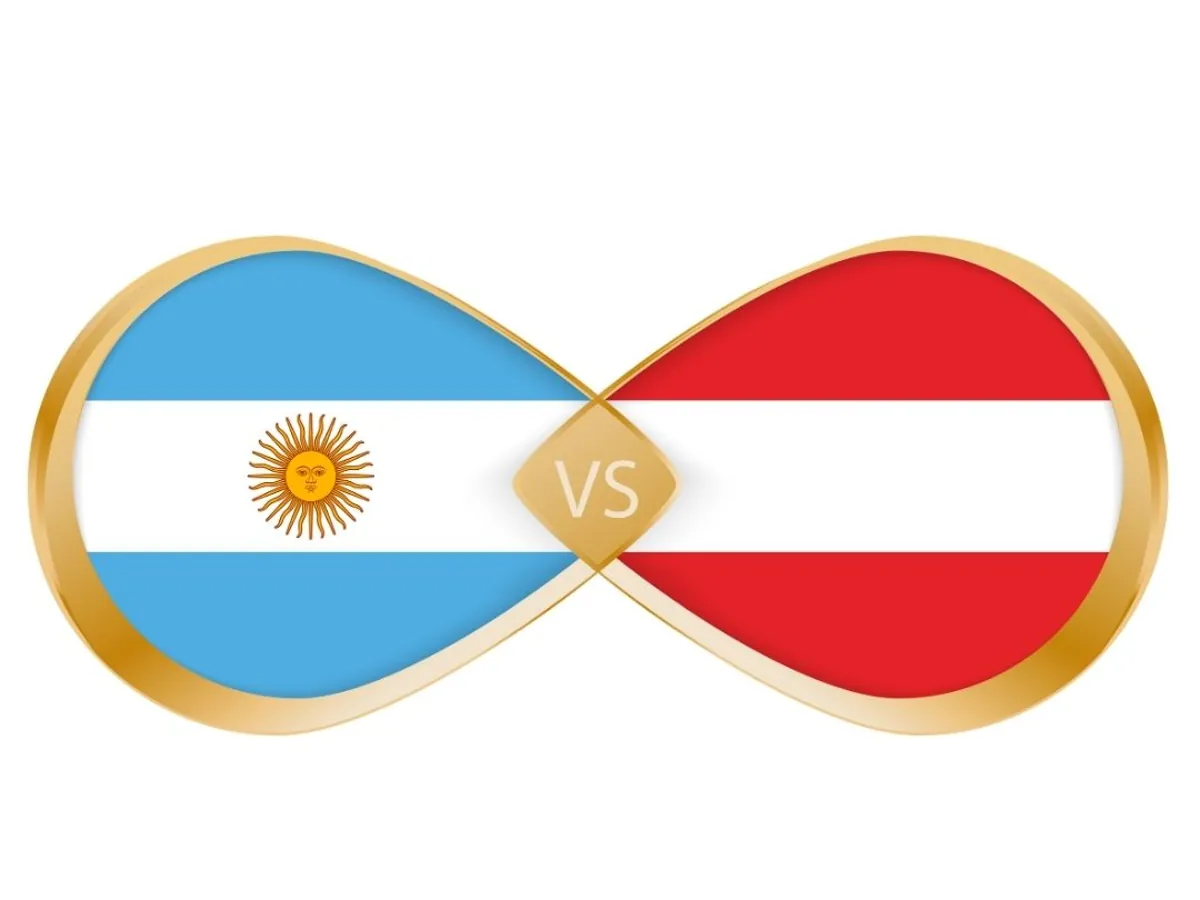


Lionel Messi's goal was called offside before the net even stopped rippling. Minutes later, Algeria's Fares Chaibi's goal was allowed—then overruled on replay. Same system, opposite calls. Welcome to World Cup 2026's offside technology.
The Ball's Sensors and 1,248 Players in 3D
Inside the official Trionda match ball sits an Inertial Measurement Unit (IMU)—a sensor that records the ball's movement roughly 500 times per second and transmits the data directly to the VAR room. This allows the system to pinpoint the last touch on the ball, a capability that traditionally relied on the assistant referee's eye for corner kicks or throw-ins.
The ball sensor works alongside a network of tracking cameras. According to FIFA's official data, each stadium is equipped with 16 tracking cameras that generate more than 150 million data points per match. (Some media outlets have reported different figures—12 cameras, 29 data points per player, 50 frames per second—likely reflecting different counting methods for dedicated tracking cameras versus the overall stadium setup. This article uses FIFA's official figures.)
The third piece: 3D avatars. Approximately 1,248 players from all 48 teams had their bodies scanned—a process lasting about one second during official squad photos. These digital models power the new 3D offside animations, which are sharper than the static line overlays used in previous tournaments.
Why Messi's Goal Was Disallowed Instantly—Chaibi's Took a Review
The answer lies in a two-tier protocol that underpins the semi-automated offside technology (SAOT). When the sensor and cameras detect a player more than 10 centimeters in an offside position, the system sends an audio alert to the assistant referee, who can raise the flag immediately without waiting for the attack to end.
For marginal offsides—anything under 10 centimeters—the process differs: the play is allowed to continue, and video review happens afterward. Messi's goal exceeded the 10-centimeter threshold, so the call came as fast as the goal itself. Chaibi's fell into the marginal category, triggering the longer video-review pathway. Both calls were technically correct under protocol, yet the visual contrast made them seem inconsistent to viewers watching both within minutes.
Johannes Holzmüller, FIFA's Director of Innovation, explained the thinking: "Assistant referees can raise their flags immediately for positional offside, so decisions are made much faster." He also cited a broadcast benefit: "This helps referees, and it's also compelling for fans because we've also improved the quality of 3D replays."
The 10-centimeter threshold is stricter than previous trials. At the 2025 FIFA Club World Cup and Intercontinental Cup, FIFA tested a 50-centimeter "clear offside" margin. Tightening to 10 centimeters for World Cup 2026 makes the system more sensitive and shrinks the gray zone that previously required manual review.
Referee Body Cameras and Equal Data Access
Beyond offside, FIFA's 2026 package includes new tools. A stabilized body camera developed with Lenovo attaches to the referee, offering a camera angle never before available on live broadcast: the referee's exact view during an incident.
Pierluigi Collina, FIFA's Chief of Referees, called this a watershed moment: for the first time, viewers can experience a match from the referee's perspective on the field, while also helping keep play moving by reducing decision delays.
Art Hu, Lenovo's Chief Information Officer, framed the partnership this way: "FIFA brings the language of soccer—deep understanding of where the sport is and where it wants to go—while Lenovo brings the technology."
All 48 teams have equal access to Football AI Pro, a real-time analytics platform that provides tactical and player data traditionally available only to squads with large analyst departments.
The Machine Signals, The Referee Decides
Michael Barwegan, a Canadian assistant referee who tested the system at the Club World Cup before the tournament began, was candid about its limits: "I'll tell you, this semi-automated system is not perfect. So our job remains exactly the same."
The system made no error in Argentina vs. Algeria. It executed its protocol correctly as designed. The debate shifted: from "Is the offside line correct?" to "Why did two goals get different visual treatment?" As long as this two-tier protocol remains in force, the question will resurface every time similar incidents occur close together in a match.
For Indonesia, the package underscores a concrete gap. Liga 1 has not adopted SAOT or sensor balls, even as millions of viewers watching early kickoff times—including fans tracking the U-19 AFF Championship and Indonesian teams in the same region—now expect a referee standard far above what's available in domestic play.
The true measure of this technology will come in the knockout stages: whether a marginal offside call triggers an official team protest, and whether FIFA releases a formal evaluation of SAOT's performance before the tournament ends on July 19. Those figures don't exist yet.