
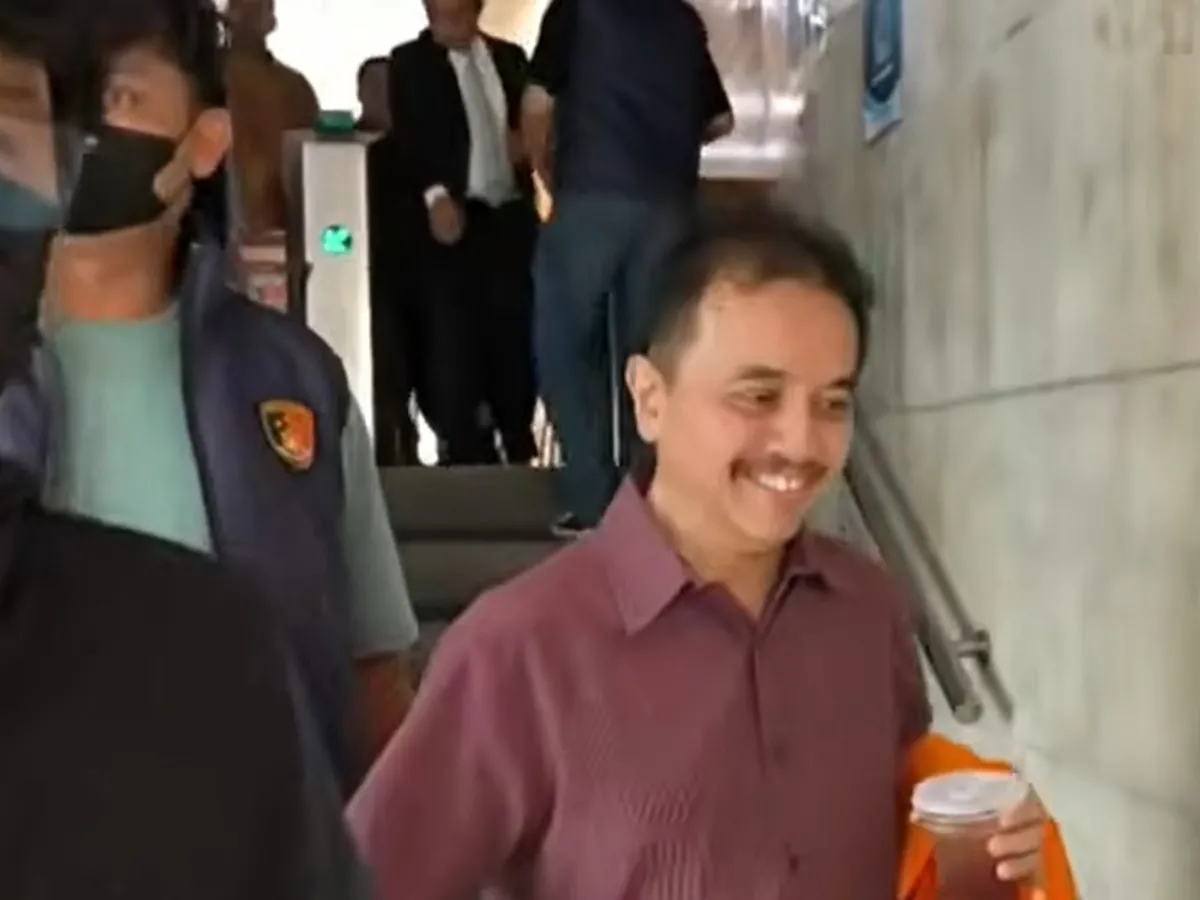
Jakarta Metropolitan Police arrested two suspects in connection with an investigation into alleged forged educational credentials for former President Joko Widodo on Friday morning, June 19, 2026. Dr. Tifauziah Tyassuma was apprehended at her apartment at 6:47 a.m. local time; Roy Suryo Notodiprojo was taken to police headquarters around 7:00 a.m. Both had been cooperative in meeting their mandatory reporting obligations since being named suspects in late 2025—a record their lawyers now cite to challenge the arrest.
Why Forced Arrest for Cooperative Suspects?
Forced arrest is typically used against suspects who ignore summons or risk fleeing. Roy Suryo and Dr. Tifauziah did not fit this profile. Both maintained consistent compliance with their reporting requirements during the investigation.
Roy Suryo's attorney, Ahmad Khozinudin, directly questioned the decision. "If the goal is to bring our client in for questioning, a written summons would have been sufficient. Our client has been cooperative throughout," he said. Dr. Tifauziah's lawyer, Ramdansyah, voiced similar concern, noting that his client had never missed a reporting deadline and questioned the sudden early-morning arrest.
Jakarta Metropolitan Police defended the action. "Arrest is not a verdict; it is a legitimate part of the legal process," said Kombes Budi Hermanto, head of public affairs. Criminal Investigation Director Kombes Iman Imanuddin added: "We will ensure that the suspects' rights and obligations are protected under law."
The proportionality question reflects broader debate about police authority, mirrored in ongoing revisions to the Police Law. Forcing arrest on suspects with a clean compliance record raises a concrete question: Is this step technically necessary to transfer the case to prosecutors, or is the orange detention vest displayed before cameras sending a different message?
The ITE Law and What Determines Their Fate
Roy Suryo, Dr. Tifauziah, and six others in the same case face charges under Articles 27A and 28 of the Information and Electronic Transactions Law, along with Articles 310 and 311 of the Criminal Code. The maximum penalty is six years in prison. Article 27A of the ITE Law addresses attacks on personal honor through digital platforms and has drawn public controversy for potentially restricting free speech. This case places allegations about Joko Widodo's educational history—the recently departed president—squarely in the criminal justice system as it enters the detention phase.
The defense team plans to file a bail request. If granted, Roy Suryo and Dr. Tifauziah could be released from police custody before the case moves to prosecutors. If denied, proceedings advance to trial, where the substantive legal battle begins.
Of the eight suspects named in the case, only two have been arrested so far. The status of the remaining six has not been announced by Jakarta Metropolitan Police as of publication.