

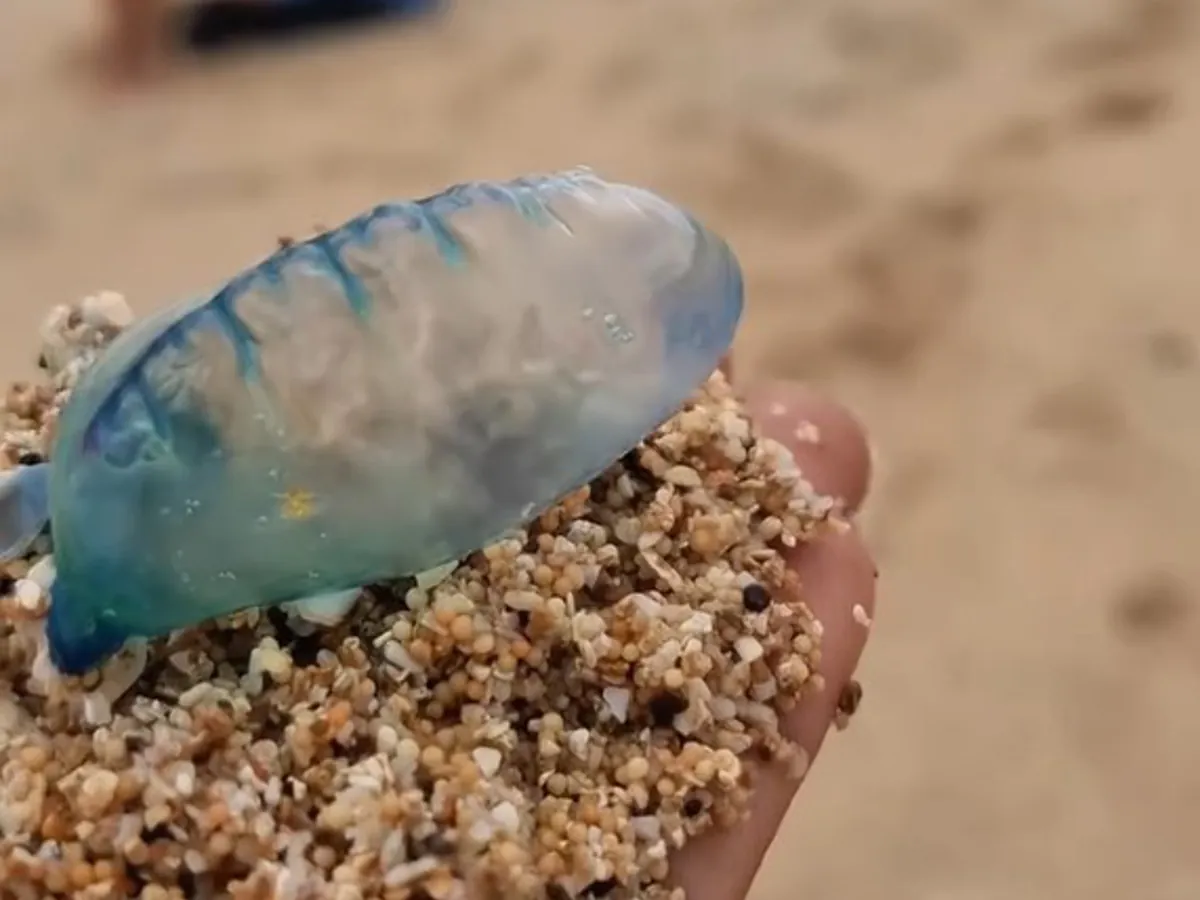
Five tourists, mostly children, were stung by venomous jellyfish at Sepanjang Beach in Gunungkidul on Sunday, June 14, marking the early stages of a seasonal surge. The incident comes weeks before the jellyfish reach peak populations in July and August, when school holidays bring waves of families to the southern coast of Yogyakarta.
"Five people were stung by jellyfish at Sepanjang Beach that Sunday—most of them children," said Surisdiyanto, secretary of Satlinmas Rescue (a local emergency response unit) covering the Pantai Baron zone. The jellyfish, known locally as impes, are blue-tentacled and venomous species that wash ashore each year along Yogyakarta's southern coast, from Parangtritis in Bantul to a chain of Gunungkidul beaches including Baron, Kukup, Krakal, and Sepanjang.
Why Are Children Most Vulnerable?
Children frequently pick up these jellyfish thinking they are harmless and fun to play with. Marjono, a SAR coordinator at Satlinmas Rescue Pantai Baron, said the pattern repeats every season: "Most victims are children—they usually pick them up as toys." The swollen blue tentacles, which resemble rubber balls and evoke the harmless jellyfish of cartoon films, naturally draw a child's curiosity into danger.
Marjono urged all beach visitors: "Avoid the blue-tentacled creatures and do not touch them. If you accidentally touch one, do not panic—go immediately to the nearest rescue post."
A Predictable Threat
The appearance of these jellyfish is not a surprise. Marjono emphasized that the pattern holds consistently each year: "The jellyfish season is here—they typically arrive from mid-June through August." Peak populations occur in July and August, precisely when millions of families flood the Gunungkidul beaches during school holidays.
The five stings on June 14 occurred in the first week of the season, before tourist numbers spike. With visitation expected to surge sharply through July, the number of people exposed to jellyfish along the Gunungkidul coast could be far greater in the coming weeks. This makes the warning urgent: the jellyfish schedule is predictable, but preventing stings depends on visitor behavior in the field.
Symptoms and First Aid
Jellyfish stings cause itching and burning; in severe cases, reactions can progress to difficulty breathing or fainting. The recommended first aid is straightforward: rinse the affected area with fresh water, then carefully remove any tentacles still clinging to the skin.
Surisdiyanto explained the procedure: "Tourists can rinse the stung area with fresh water." Rubbing the site risks spreading the venom, so it must be avoided. After rinsing, head immediately to the nearest rescue post for further treatment.
Marjono added a reminder for all visitors: "We ask that tourists always be careful and do not touch or play with blue ocean creatures."
Satlinmas Rescue will staff aid posts along the Gunungkidul coast throughout the season. Visitors planning trips to Pantai Baron, Kukup, Krakal, or Sepanjang in July or August should watch for jellyfish along the shoreline and keep children away from any blue-tentacled creatures washed up on the sand.