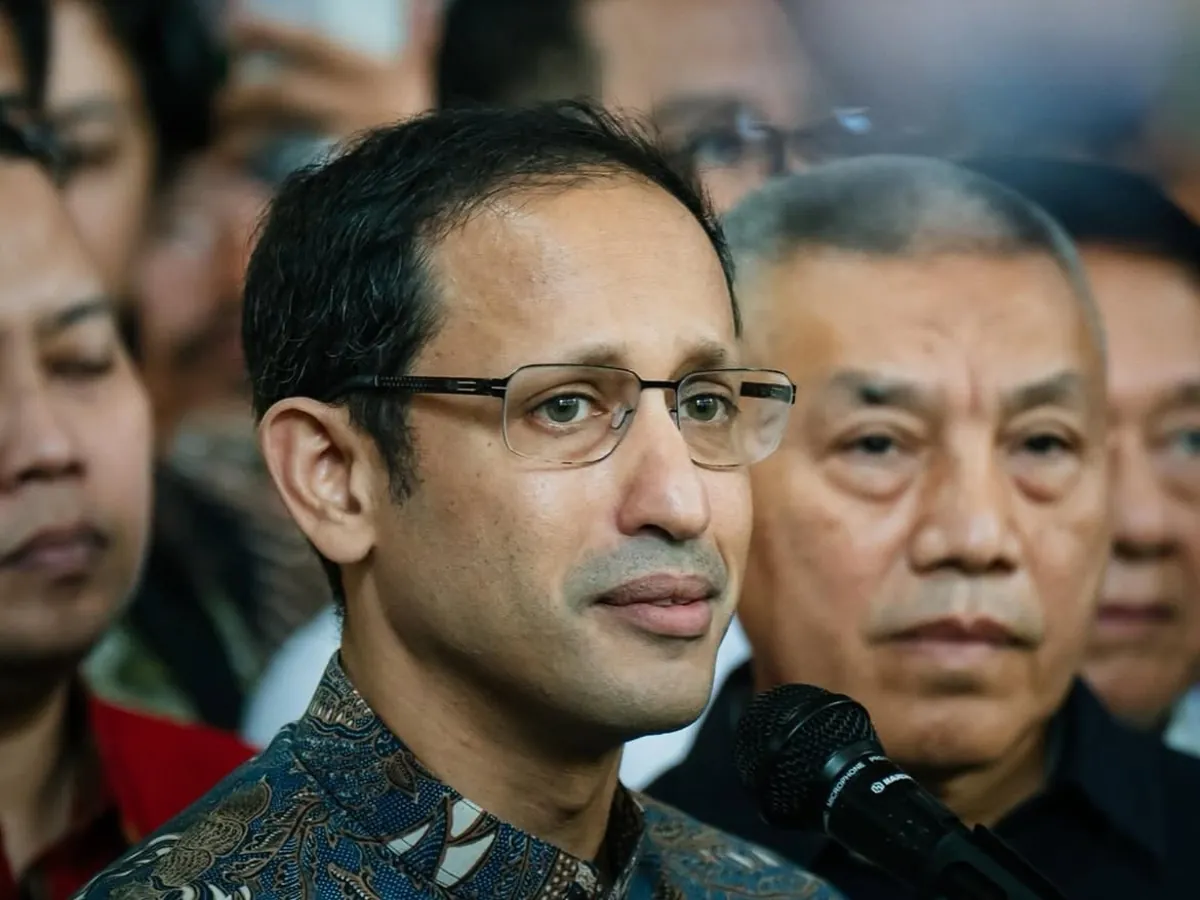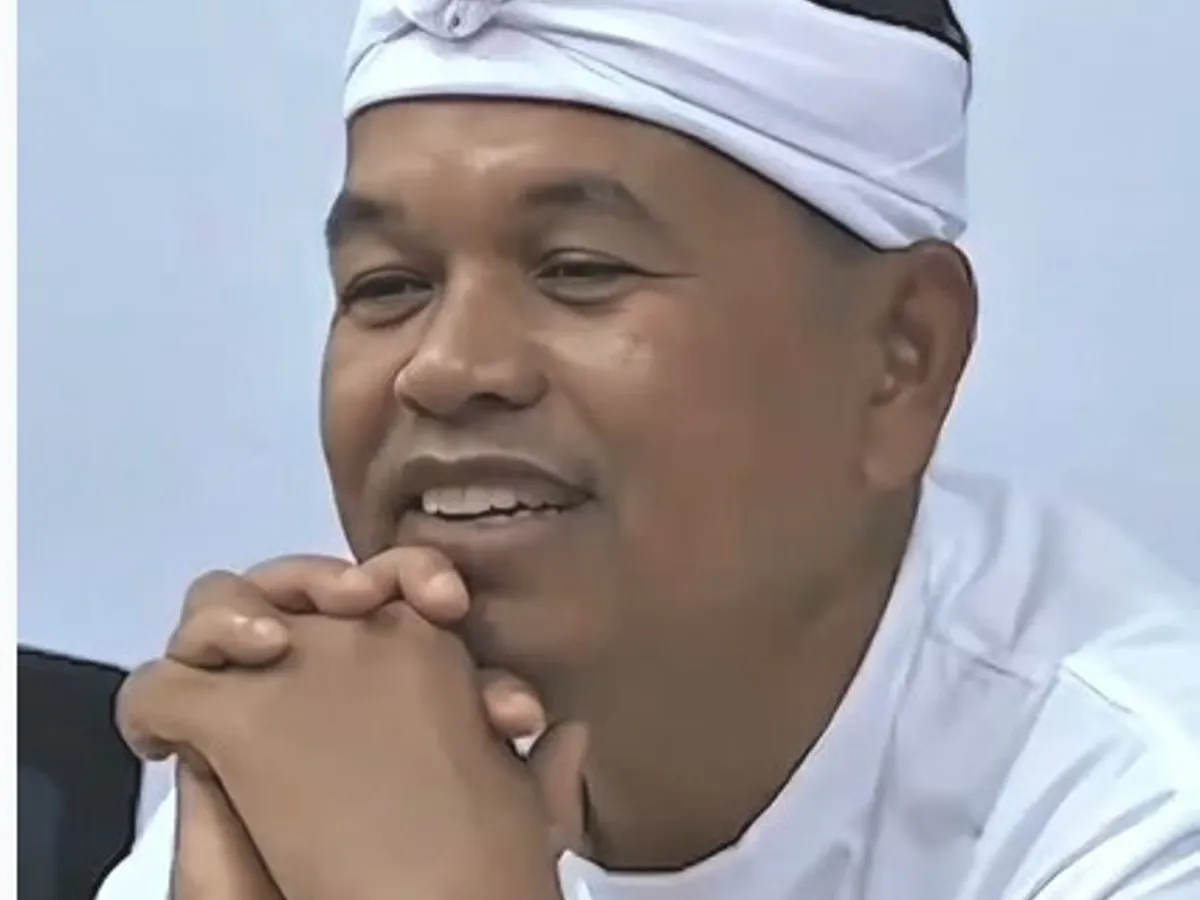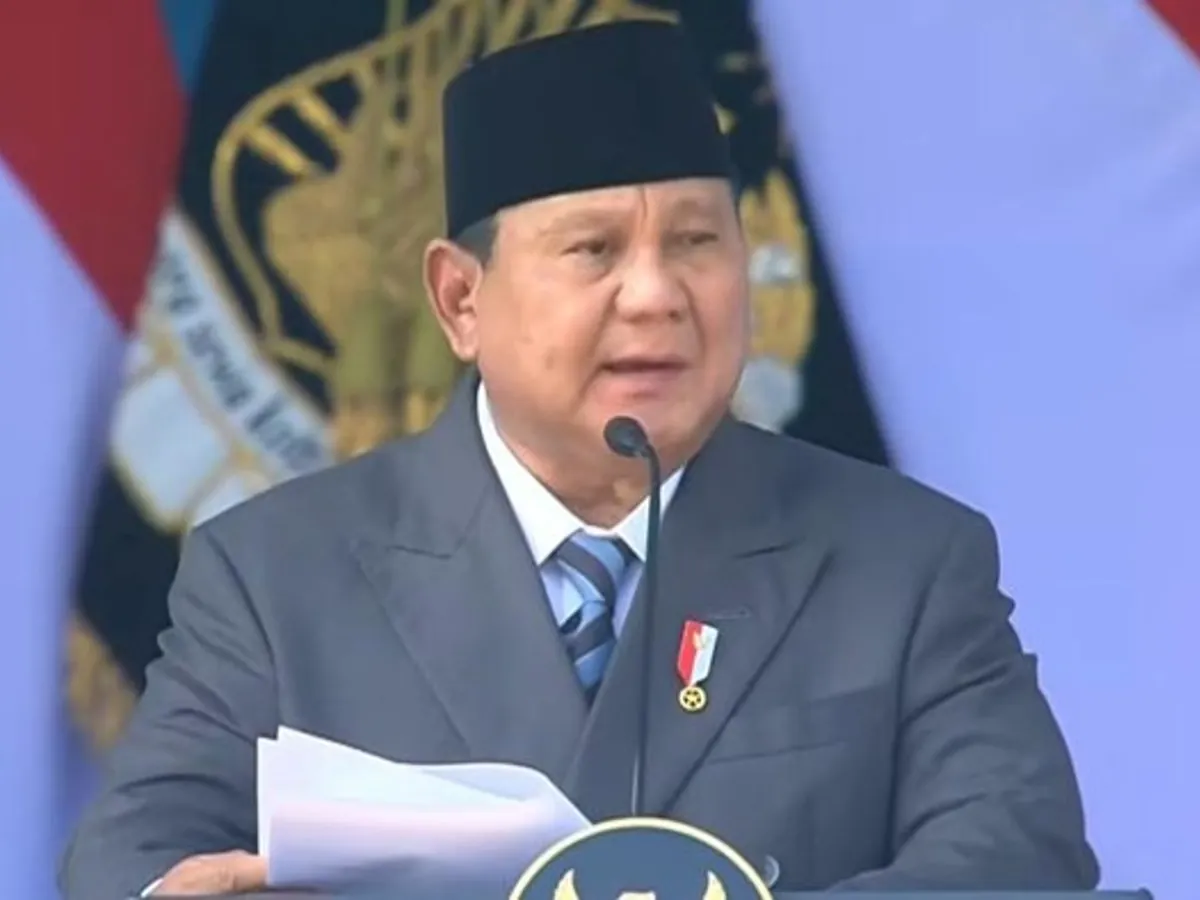

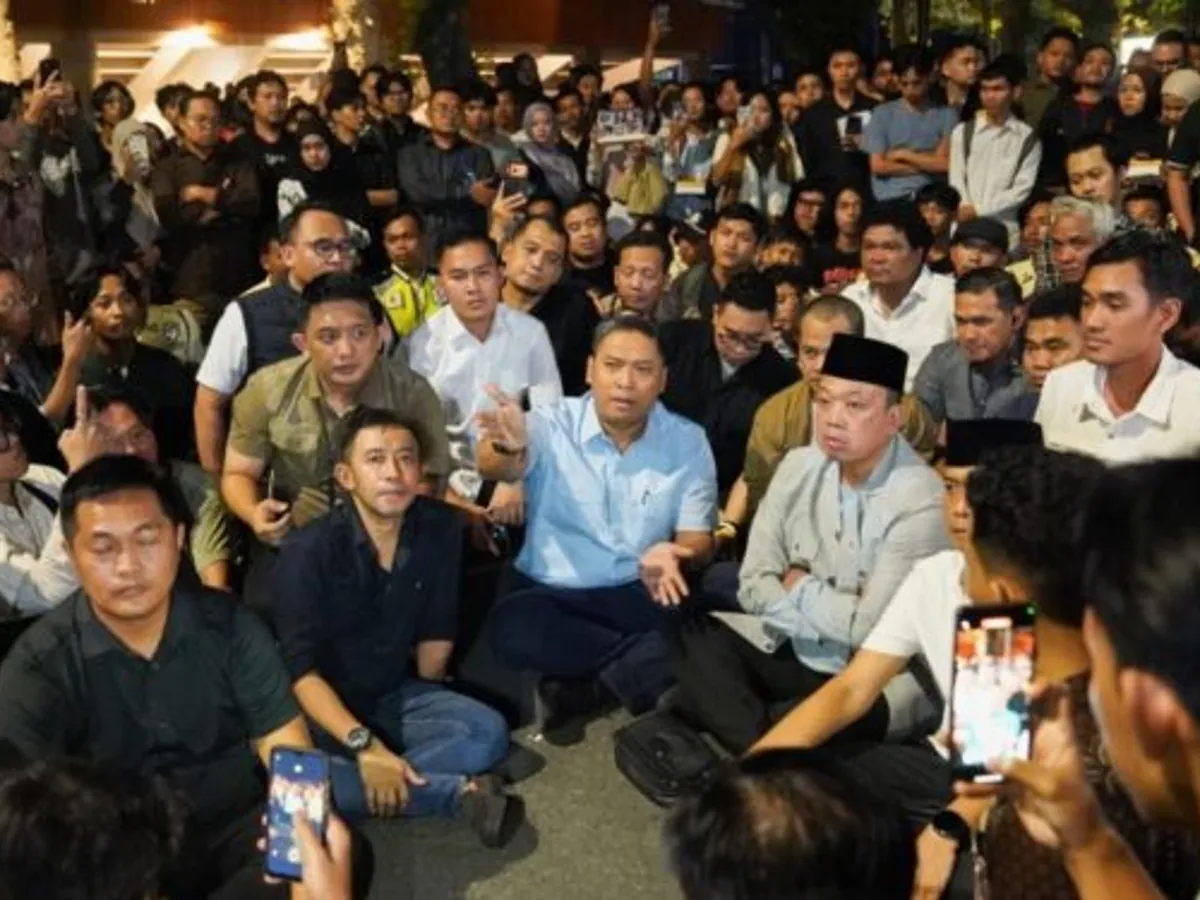
One hour into a forum at UGM's Joglo GIK hall on Monday evening, June 15, 2026, students stormed the stage and drove off three Prabowo government officials. The harshest jeers targeted one man: Budiman Sudjatmiko, head of the Poverty Alleviation Acceleration Agency and a UGM alumnus who was imprisoned in the 1990s for pressing for democratic reform under Suharto's regime. This time, students called him a "traitor."
Before the Q&A
The forum, titled "Pancasila as a Unifying Force," was organized by Total Politik and featured Budiman alongside Agrarian and Spatial Planning Minister Nusron Wahid and Deputy Agriculture Minister Sudaryono. Hundreds attended; the opening remarks went smoothly. As the audience was about to ask questions, students from the back began shouting, climbed onto the stage, and unfurled a banner. Plastic bottles flew; something wrapped in paper struck Budiman's aide. The officials left the stage.
Budiman later reported the incident to the Presidential Palace through the President's aide and cabinet secretary. "I deeply regret that such a valuable forum failed. I had come at the invitation," he said. He also disclosed the accusations leveled at him by participants: "I was accused of lying, producing false data, and failing to champion the poor—even of living extravagantly."
Why Budiman Drew the Harshest Fire
Budiman carried a loaded history. He was once chair of the People's Democratic Party and imprisoned by Suharto's regime; now he serves in Prabowo's cabinet. That arc—from anti-Suharto symbol to government official—gave the "traitor" chant a moral weight that ordinary bureaucratic criticism could never match.
"Budiman Sudjatmiko is a symbol of betrayal. He was once our inspiration, and now he's betraying us," said Mesa, a representative from UGM's Student Senate (SEMA).
Budiman rejected that framing. "I have not betrayed the reform movement because I joined a democratically elected government," he said. He added that his office welcomes criticism and seeks not just to be heard, but to listen.
Two frames collided. For the students, loyalty to reformasi meant opposing Prabowo's government; for Budiman, it meant working within a changed democratic system. To one side, joining the cabinet was a renunciation. To the other, it was the next chapter of the struggle.
The Case SEMA Made
For UGM's Student Senate, the disruption was not spontaneous. They argued the three officials had no business discussing Pancasila values while the government silenced dissent. Two flagship programs were in their sights: the Free Nutritious Meals initiative (MBG) and the Red-White Cooperative Savings Scheme (Kopdes Merah Putih), which they said failed to deliver real benefits.
MBG had drawn scrutiny from multiple angles. The former head of the National Nutrition Agency, Dadan Hindayana, was detained by prosecutors on corruption charges related to the program. The distribution target was also quietly revised downward from 82 million beneficiaries after new leadership took over. The students' claims that night had evidence behind them.
One Forum, One Larger Question
Prabowo's government has repeatedly said it welcomes criticism. The Total Politik forum at UGM was a test of that promise—and it ended before a single audience member could pose a question.
The UGM incident was not isolated. Student actions against Prabowo officials had mounted over recent months, revealing persistent campus political heat. If officials cannot complete one dialogue session at a university, claims of openness need proof elsewhere.
Whether Budiman's report to the Presidential Palace triggered an official response, whether UGM or SEMA issues a follow-up statement, and whether similar disruptions erupt on other campuses—all remain to be seen.