
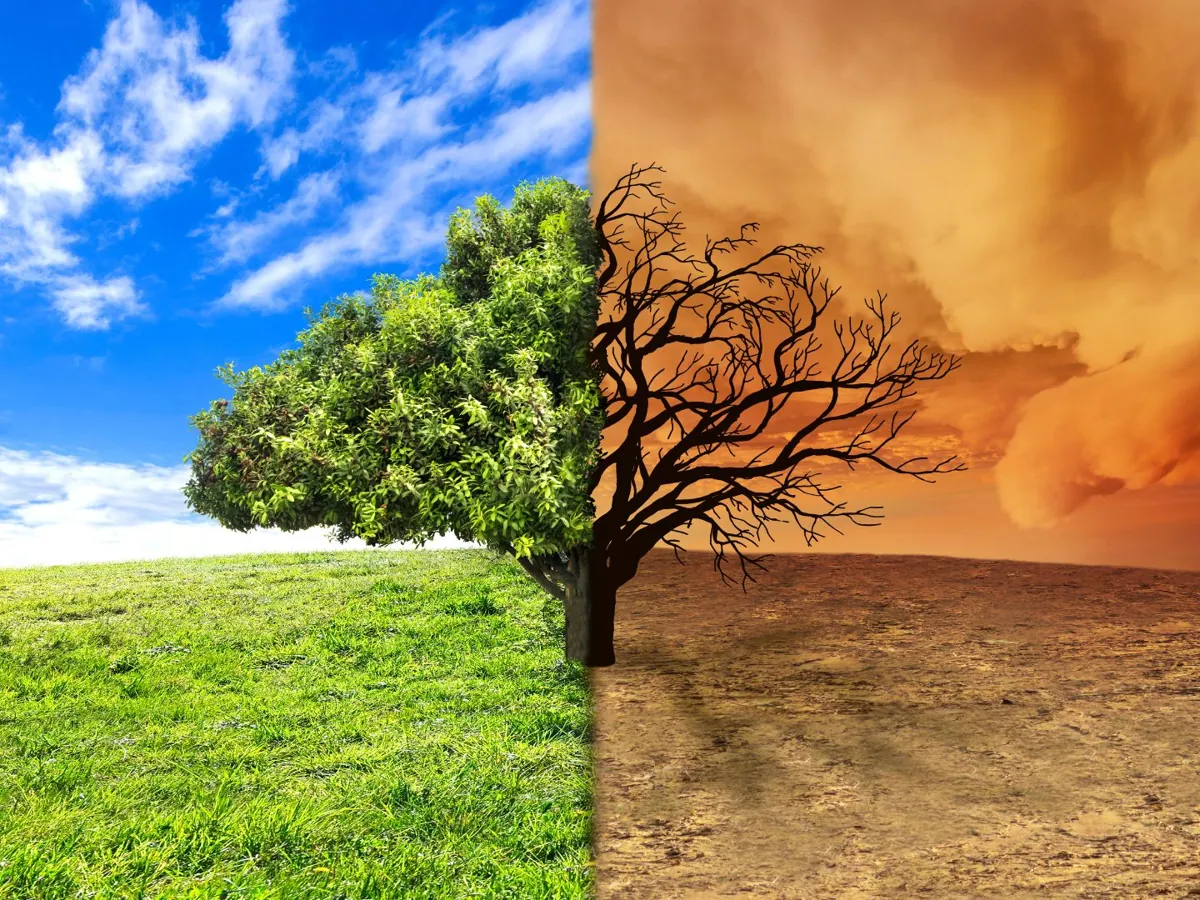
About 1.1 billion children—nearly half of all children globally—now live in areas struck by three or more climate hazards at the same time. Floods, droughts, extreme heat, and heatwaves pile up in the same places, hitting the same children. The finding comes from The Children's Climate Risk Report 2026, released by UNICEF on June 15, 2026, in New York. What sets it apart from previous climate warnings is what gets measured: not how severe a single disaster is, but how many threats hit the same child at once.
This count reveals a climate crisis for children that single-disaster reports miss: a buildup of hazards that erodes the same child's physical health, education, and resilience repeatedly, with too little recovery time between shocks.
A New Way to Measure
The 2026 edition updated UNICEF's Child Climate Risk Index, first introduced in 2021. The methodological shift lies in an overlapping approach: eight hazards—coastal floods, river floods, drought, tropical storms, heatwaves, extreme heat, wildfires, and dust storms—are no longer assessed separately. Instead, the report counts how many of these eight threats strike the same child at the same location.
The result forms a pyramid of risk concentration. Nearly all children worldwide, 2.3 billion of 2.4 billion, face at least one hazard. Two billion children face two or more. Drop to three hazards simultaneously: 1.1 billion children. Four hazards: 364 million. At the extreme end, 123,000 children are exposed to seven or more hazards at the same time, with 46,000 in Myanmar.
The most common combination striking children together is drought, extreme heat, and heatwaves—three hazards that intensify each other—affecting 296 million children.
"The lives of children continue to be upended by the impact of heatwaves, wildfires, droughts and floods," said Catherine Russell, UNICEF Executive Director.
The Toll of Stacked Hazards on Children
Children's bodies are more vulnerable to heat because their temperature-regulation systems aren't fully developed; more vulnerable to infectious disease because immunity is still building; and more vulnerable to malnutrition because their energy reserves are thin. When drought squeezes food supply, extreme heat drains body fluids, and heatwaves shrink outdoor space—all three arriving at once—that physiological stress multiplies without time to recover from one shock before the next hits.
The damage spreads to the most basic institution in a child's life: school. Throughout 2024, 242 million students in 85 countries lost school days to climate-related disasters. Hundreds of days lost during critical developmental years close off opportunities that will not return—a cost hidden in single-disaster statistics.
The report also documents hazards beyond the eight core ones: roughly 1 billion children live in malaria-risk zones, while air pollution touches nearly all children worldwide—a double burden that worsens bodies already strained by heat and drought.
"Half of the world's children are now living with at least three overlapping climate threats shaping their daily lives," Russell said.
Where the Heaviest Burden Falls
Risk is not evenly spread. In South Asia, Bangladesh, India, and Pakistan consistently appear among countries with the largest absolute numbers of exposed children. In Africa, Chad stands out by proportion: more than 95 percent of children there live with three or more climate hazards. In Southeast Asia, Myanmar, the Philippines, and Vietnam are in the highest-exposure group.
Tom Slaymaker, the report's author, emphasized that exposure is uneven, with severe concentration in specific hotspots—particularly Sub-Saharan Africa and parts of South Asia, regions where health infrastructure capacity is thinnest precisely where climate risk is heaviest.
Indonesia is not named explicitly in the report. As an archipelago in the same Asia-Pacific region, Indonesia bears the exact combination of hazards the report maps: coastal floods, river floods, drought in areas like East Nusa Tenggara, and extreme heat—often striking the same children in the same vulnerable communities.
Infrastructure as Real Response
UNICEF's call in this report goes beyond emissions cuts. "When we strengthen health and education systems and improve infrastructure with children in mind, we protect them from today's climate threats and help secure their future," Russell said.
What remains unanswered is whether that call will make it into real budgets. Governments in regions with the highest risk burden—including Southeast Asia—face pressure to translate the report's findings into child-centered adaptation plans. Released ahead of the next global climate forum, the question is how much the 1.1 billion figure shifts spending priorities. That will determine whether the report becomes policy or remains just a record.